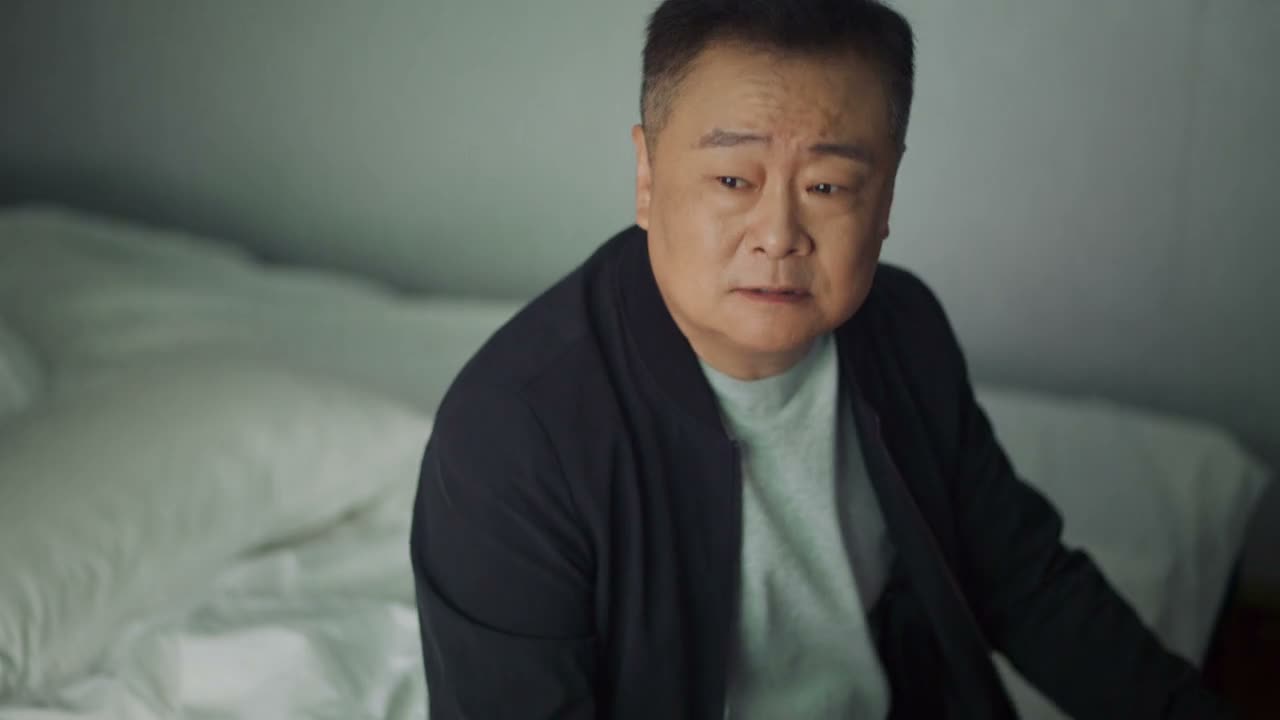
《Go Ahead》 S1·E27 (12:34)
HSK 1
zěn me huì shì wǒ ne
怎么会是我呢
“It can't be about me.”
《Go Ahead》
S1·E27
TIMECODE: 12:34
·
1080P MASTER AUDIO
THE DIALOGUE REEL
[-1] PREVIOUS TURN
shén me wēi bó
什么微博
“What Weibo post?”
zěn me huì shì wǒ ne
CURRENT FOCUS
怎么会是我 呢
“It can't be about me.”
[+1] FOLLOW-UP TURN
wǒ men jiā zhè yàng de qíng kuàng yě bú shì shǎo shù ba
“There're quite a few families whose situation are similar to ours, right?”
Subtitles synced to millisecond timecode
Browse Show Clips →
Scene:
Social & Dating
Function:
DENYING ACCUSATION
Tone:
DEFENSIVE
Emotion:
DEFENSIVENESS
WHAT THEY REALLY MEAN (PRAGMATIC SUBTEXT)
“Don't look at me, there is no way you can pin this on me.”
💡 Cultural Insight: Rhetorical Self-Defense
Using rhetorical questions like 'How could it be me?' is a standard conversational tactic in Mandarin to deflect blame without offering extensive evidence.
INTENT TAGS:
#denial
#deflection
#feigning_innocence
#self_defense
🧩
1 CHUNKS · 1 PARTICLES
LEARNING CHUNKS & PARTICLES
怎么会
SPOKEN CHUNK
how could it be; why would
Commonly used in spoken Chinese to introduce a rhetorical question showing disbelief or denial.
Modal Particle「呢」 (ne)
CHANGE OF STATE
Softens the rhetorical question while sustaining an inquiring, self-defending posture.
🏮
1 EXPR · 0 GRAMMAR
VOCABULARY & EXPRESSIONS
COLLOQUIAL EXPRESSIONS:
CROSS-CINEMA CORPUS BOARD · PARALLEL SCENES
EXPLORE BY SEMANTIC SIMILARITY
Parallel Spoken Cinema Scenes (语义近邻切片)

《Go Ahead》 S1·E27 (12:34) · Authentic Cinema Dialogue Corpus