《The Truth》 S1·E2 (32:15)
HSK 4
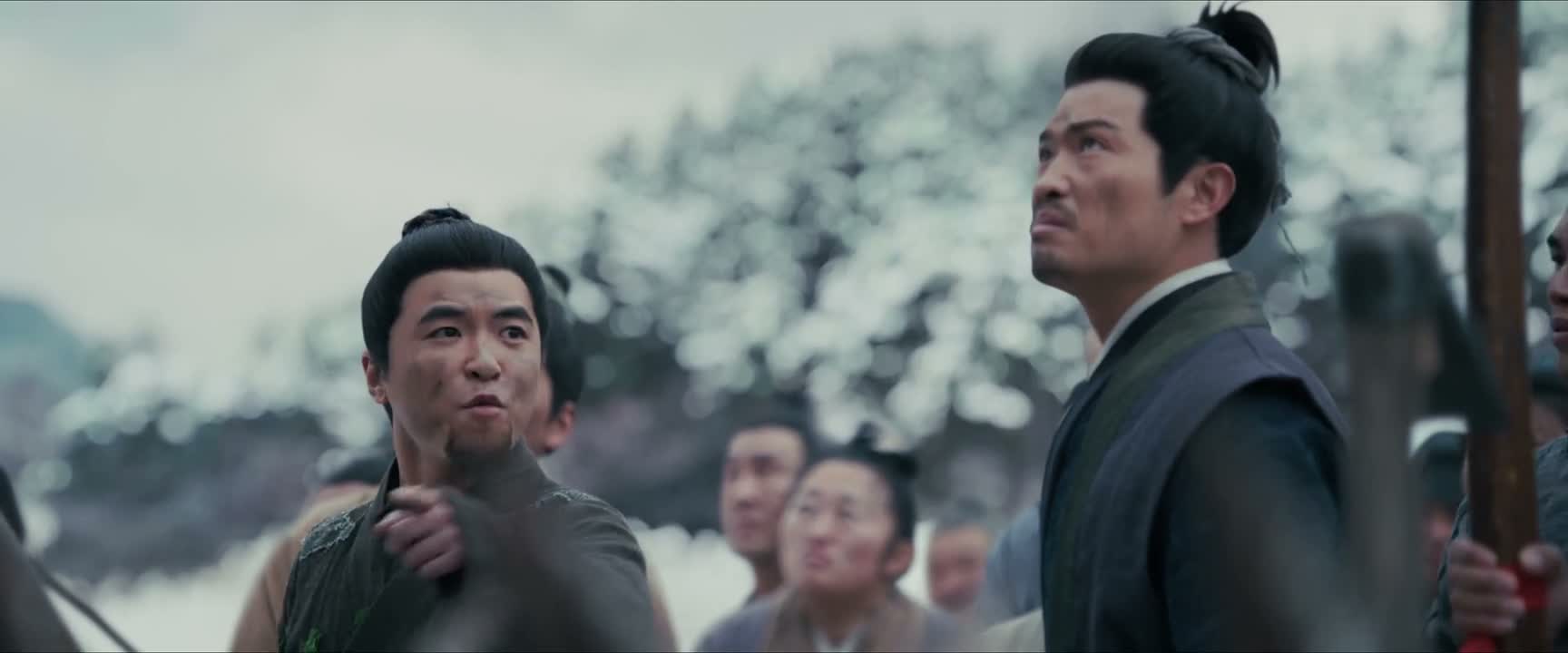
nǐ bǎ rén mìng dāng shén me bǎ fǎ lǜ dāng shén me le
你把人命当什么 把法律当什么了
“What is human life to you? What do you take the law for?”
《The Truth》
S1·E2
TIMECODE: 32:15
·
1080P MASTER AUDIO
THE DIALOGUE REEL
[-1] PREVIOUS TURN
zhè sān gè hái shì zài dú shū de hái zi
这三个还是在读书的孩子
“These are still kids in school.”
nǐ bǎ rén mìng dāng shén me bǎ fǎ lǜ dāng shén me le
CURRENT FOCUS
你 把人命当什么 把法律 当什么了
“What is human life to you? What do you take the law for?”
[+1] FOLLOW-UP TURN
jiāng lián hóng
江连洪
“Jiang Lianhong,”
Subtitles synced to millisecond timecode
Browse Show Clips →
Scene:
Crisis & Conflict
Function:
MORAL CONDEMNATION
Tone:
FURIOUS, ACCUSATORY, STERN
Emotion:
ANGER
WHAT THEY REALLY MEAN (PRAGMATIC SUBTEXT)
“You are utterly monstrous and have no respect for human decency or the law!”
💡 Cultural Insight: Sacredness of Human Life and Law
Invoking 'renming' (human life) and 'falü' (the law) carries immense moral weight in Chinese legal drama dialogues, representing absolute ethical baselines.
INTENT TAGS:
#reproach
#indignation
#condemnation
#accusation
🧩
2 CHUNKS · 1 PARTICLES
LEARNING CHUNKS & PARTICLES
把...当什么
SPOKEN CHUNK
what do you take ... for?
A powerful rhetorical structure used to express indignation over someone treating an important matter lightly.
人命
SPOKEN CHUNK
human life
Often used in serious ethical, legal, or emergency scenarios.
Modal Particle「了」 (le)
CHANGE OF STATE
Emphasizes the culmination of emotional outrage at the end of the rhetorical outburst.
🏮
2 EXPR · 0 GRAMMAR
VOCABULARY & EXPRESSIONS
COLLOQUIAL EXPRESSIONS:
CROSS-CINEMA CORPUS BOARD · PARALLEL SCENES
EXPLORE BY SEMANTIC SIMILARITY
Parallel Spoken Cinema Scenes (语义近邻切片)
《The Truth》 S1·E2 (32:15) · Authentic Cinema Dialogue Corpus