MC
MandarinClips Cinema Corpus
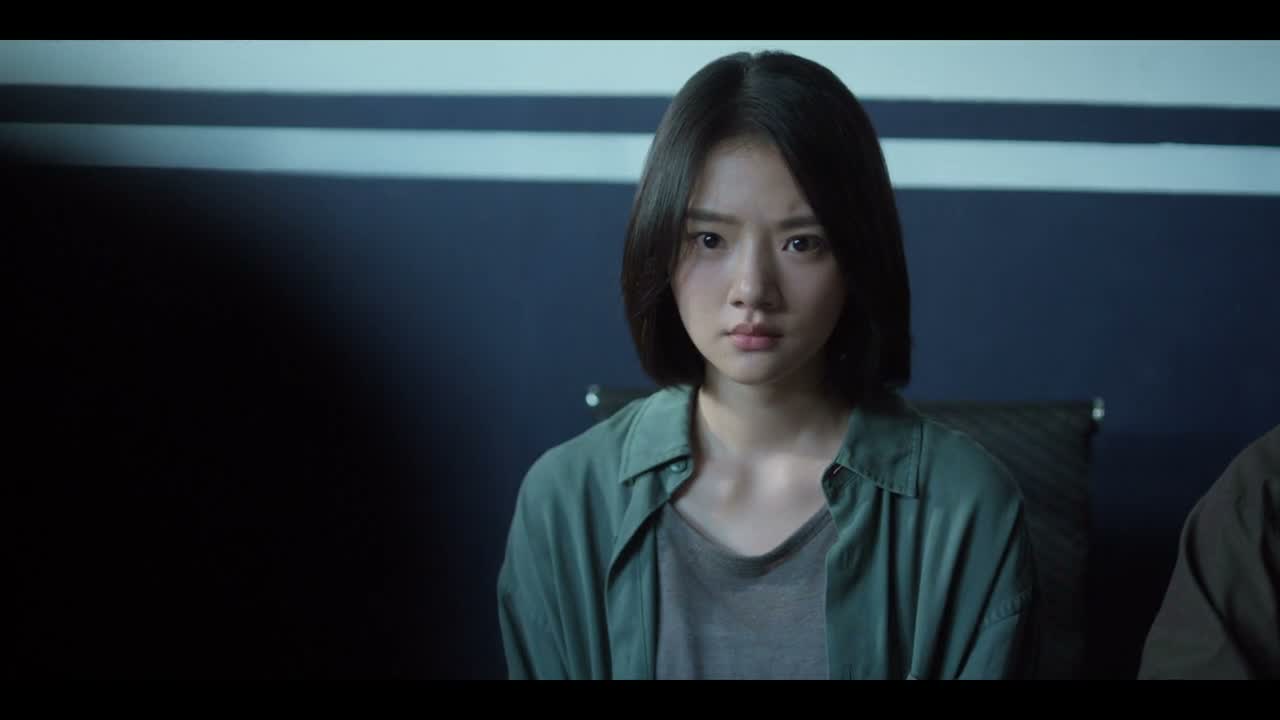
《Light to the Night》 S1·E28 (33:10) HSK 5
jǐng chá shū shū nǐ men zhè shì yào zhuā shuí ya ?

警察叔叔 你们这是要抓谁呀?

“Officers, who are you here to arrest?”

《Light to the Night》 S1·E28
TIMECODE: 33:10 · 1080P MASTER AUDIO

THE DIALOGUE REEL

1+1+1 SPOKEN CONTINUITY
[-1] PREVIOUS TURN nǐ kàn dào méi yǒu ?

你看到没有?

“Officer He, did you see that?”

jǐng chá shū shū nǐ men zhè shì yào zhuā shuí ya ? CURRENT FOCUS

警察叔叔 你们这是要 抓谁 呀?

“Officers, who are you here to arrest?”

[+1] FOLLOW-UP TURN bié jǐn zhāng wǒ men shì lái tàn wàng hé yuǎn háng tóng zhì de

“Don't be nervous. We're here to visit Mr. He Yuanhang.”

Subtitles synced to millisecond timecode Browse Show Clips →
Scene: Legal & Police
Function: ASKING FOR CLARIFICATION
Tone: INQUIRING
Emotion: ANXIETY
WHAT THEY REALLY MEAN (PRAGMATIC SUBTEXT)
“Why are you here? Is someone around here in trouble?”
💡 Cultural Insight: Fictive Kinship Terms for Public Servants (警察叔叔)

Calling authority figures like police officers 'uncle' or 'auntie' is standard socialization in China to reduce intimidation and foster trust between citizens and civic workers.

INTENT TAGS: #inquiring #probing #apprehension #softening
🧩

LEARNING CHUNKS & PARTICLES

2 CHUNKS · 1 PARTICLES
警察叔叔 SPOKEN CHUNK

uncle policeman / police officer

A polite, friendly social appellation commonly taught to youth or used colloquially to soften interaction with male police officers.

抓谁 SPOKEN CHUNK

arrest who / catch whom

Colloquial term for apprehending a suspect or criminal.

Modal Particle「呀」 (ya) CHANGE OF STATE

Softens the direct question, making it sound more innocent, friendly, and non-confrontational.
🏮

VOCABULARY & EXPRESSIONS

1 EXPR · 0 GRAMMAR
COLLOQUIAL EXPRESSIONS:
CROSS-CINEMA CORPUS BOARD · PARALLEL SCENES

Parallel Spoken Cinema Scenes (语义近邻切片)

EXPLORE BY SEMANTIC SIMILARITY
《Light to the Night》 S1·E28 (33:10) · Authentic Cinema Dialogue Corpus