MC
MandarinClips Cinema Corpus
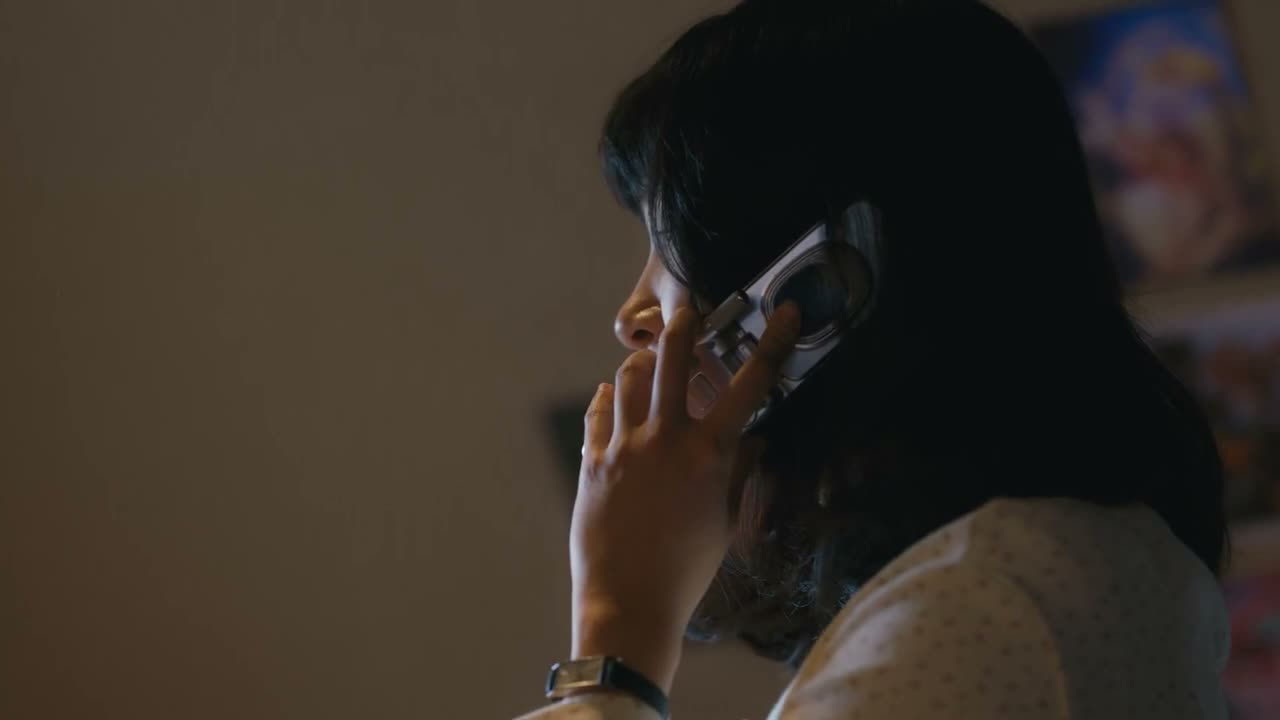
《The Dream Maker》 S1·E29 (07:29) HSK 3
wǒ zhè yì zhí děng zhe nǐ diàn huà ne zěn me cái dǎ guò lái

我这一直等着你电话呢 怎么才打过来

“I've been waiting. What took you so long?”

《The Dream Maker》 S1·E29
TIMECODE: 07:29 · 1080P MASTER AUDIO

THE DIALOGUE REEL

1+1+1 SPOKEN CONTINUITY
[-1] PREVIOUS TURN wǒ yī cāi jiù shì nǐ

我一猜就是你

“Mr. Zheng, I knew it was you.”

wǒ zhè yì zhí děng zhe nǐ diàn huà ne zěn me cái dǎ guò lái CURRENT FOCUS

我这一直 等着你电话 呢 怎么才打过来

“I've been waiting. What took you so long?”

[+1] FOLLOW-UP TURN nǐ xiān bié shuō le nǐ tīng wǒ shuō wǒ zhè zháo jí shàng kè ne

“Stop talking. Listen to me. I'm in a hurry to get to class.”

Subtitles synced to millisecond timecode Browse Show Clips →
Scene: Social & Dating
Function: MILD COMPLAINT
Tone: REPROACHFUL
Emotion: IMPATIENCE
WHAT THEY REALLY MEAN (PRAGMATIC SUBTEXT)
“I've been anxiously waiting for you, what took you so long?”
💡 Cultural Insight: Affectionate Blame (娇嗔/埋怨)

In close relationships, mild complaints about punctuality or delayed calls are frequently used as an indirect way to show care, emotional dependency, and intimacy.

INTENT TAGS: #complaining #expressing_impatience #seeking_explanation #showing_intimacy
🧩

LEARNING CHUNKS & PARTICLES

2 CHUNKS · 1 PARTICLES
一直等着 SPOKEN CHUNK

have been waiting continuously

Used to emphasize uninterrupted duration or focused anticipation over a period of time.

怎么才 SPOKEN CHUNK

how come only now

A common spoken structure used to question or complain about an action happening much later than expected.

Modal Particle「呢」 (ne) CHANGE OF STATE

Marks an ongoing progressive state and adds a touch of conversational grievance or emphasis.
🏮

VOCABULARY & EXPRESSIONS

2 EXPR · 0 GRAMMAR
CROSS-CINEMA CORPUS BOARD · PARALLEL SCENES

Parallel Spoken Cinema Scenes (语义近邻切片)

EXPLORE BY SEMANTIC SIMILARITY
《The Dream Maker》 S1·E29 (07:29) · Authentic Cinema Dialogue Corpus