MC
MandarinClips Cinema Corpus
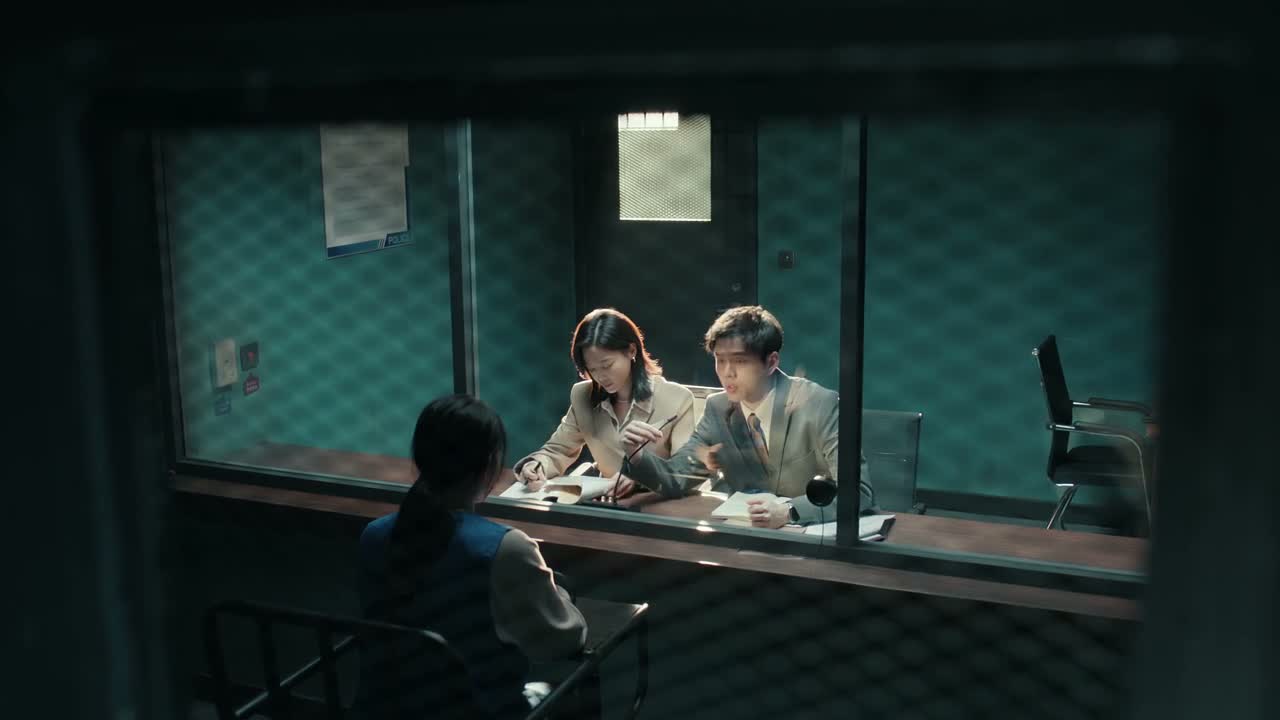
《Eight Hundred》 S1·E5 (17:56) HSK 5
wǒ běn lái xiǎng jiù tā lái zhe

我本来想救他来着

“I wanted to save him,”

《Eight Hundred》 S1·E5
TIMECODE: 17:56 · 1080P MASTER AUDIO

THE DIALOGUE REEL

1+1+1 SPOKEN CONTINUITY
[-1] PREVIOUS TURN wǒ cái gǎn chū lái

我才敢出来

“I didn't dare come out until the man drove away.”

wǒ běn lái xiǎng jiù tā lái zhe CURRENT FOCUS

我 本来想救他来着

“I wanted to save him,”

[+1] FOLLOW-UP TURN dàn nà huǒ shì shí zài shì tài dà le

但那火势实在是太大了

“but the fire was just too big.”

Subtitles synced to millisecond timecode Browse Show Clips →
Scene: Crisis & Conflict
Function: EXPLAINING FAILURE
Tone: DEFENSIVE
Emotion: GUILT
WHAT THEY REALLY MEAN (PRAGMATIC SUBTEXT)
“Please don't judge me; I tried to be brave, but circumstances made it impossible.”
💡 Cultural Insight: Self-preservation vs. Moral Obligation

In high-stakes crises, stating one's sincere prior intent ('benlai xiang') preserves moral standing and face even when self-preservation ultimately prevailed.

INTENT TAGS: #self_defense #justification #guilt_mitigation #explaining
🧩

LEARNING CHUNKS & PARTICLES

2 CHUNKS · 1 PARTICLES
本来想 SPOKEN CHUNK

originally intended to / was going to

Prepares the listener for a contrasting turn of events where the original plan was thwarted.

来着 SPOKEN CHUNK

used to indicate a past ongoing action or intent

Colloquial sentence-final particle common in Northern Mandarin emphasizing past mental states or actions.

Modal Particle「来着」 (laizhe) CHANGE OF STATE

Anchors the intention in the recent past, emphasizing that the desire was genuine even if unrealized.
🏮

VOCABULARY & EXPRESSIONS

1 EXPR · 0 GRAMMAR
COLLOQUIAL EXPRESSIONS:
CROSS-CINEMA CORPUS BOARD · PARALLEL SCENES

Parallel Spoken Cinema Scenes (语义近邻切片)

EXPLORE BY SEMANTIC SIMILARITY
《Eight Hundred》 S1·E5 (17:56) · Authentic Cinema Dialogue Corpus