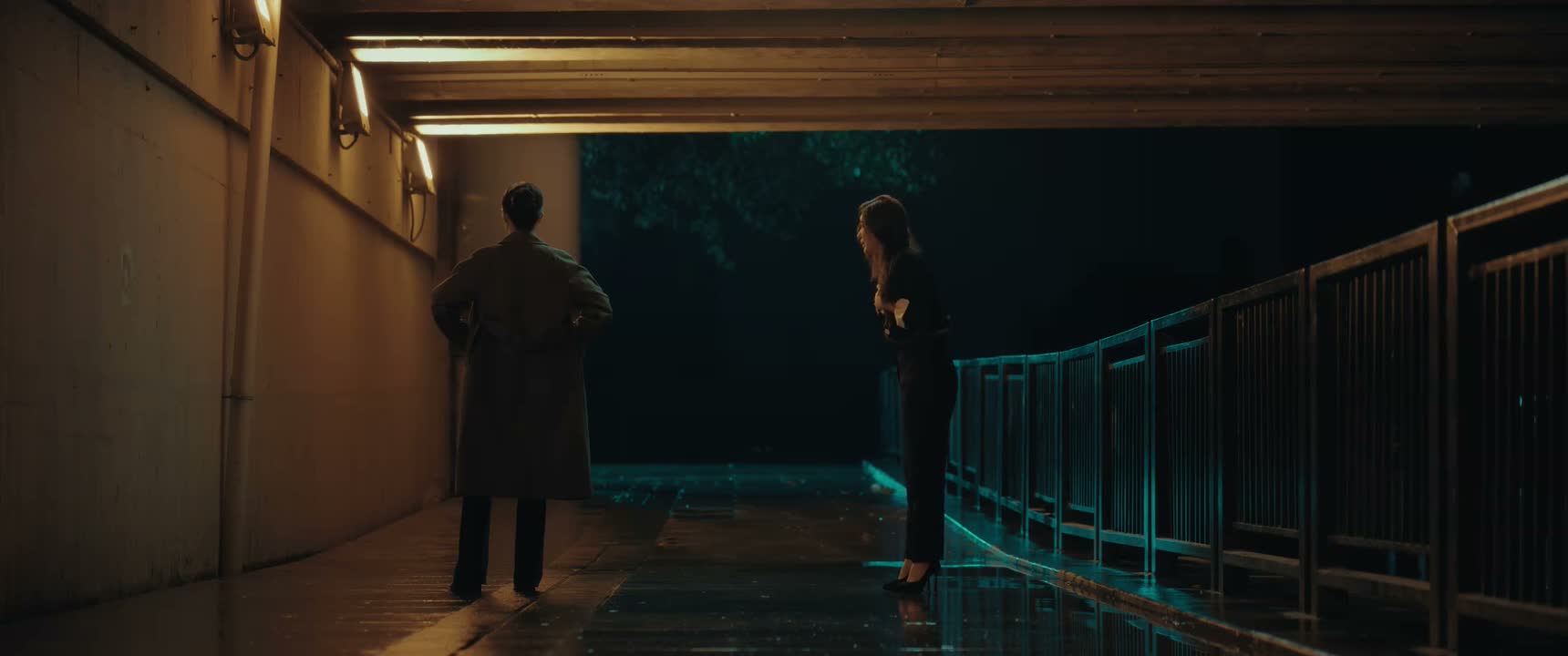
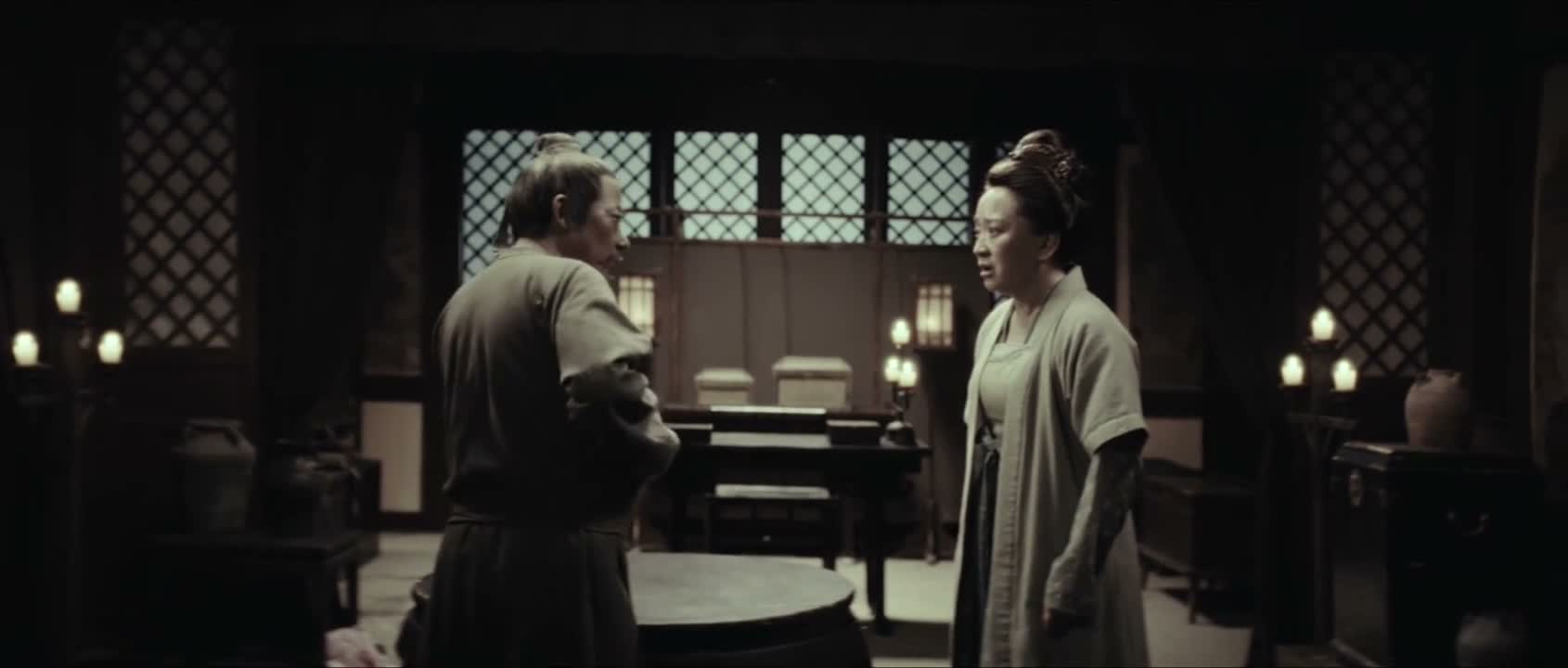
《The Lead》 S1·E46 (03:52)
HSK 3
dàn shì wǒ yǒu shá bàn fǎ ne
但是我有啥办法呢
“But what can I do?”
《The Lead》
S1·E46
TIMECODE: 03:52
·
1080P MASTER AUDIO
THE DIALOGUE REEL
dàn shì wǒ yǒu shá bàn fǎ ne
CURRENT FOCUS
但 是我 有啥办法 呢
“But what can I do?”
[+1] FOLLOW-UP TURN
tuán shàng nǎ ér nǎ ér dōu yào qián xíng tou yào zhì xīn de jù chǎng yào zhuāng xiū
团上哪儿哪儿都要钱 行头要置新的 剧场要装修
“The troupe needs money for everything. We need new costumes. The theater needs renovation.”
Subtitles synced to millisecond timecode
Browse Show Clips →
Scene:
Workplace
Function:
JUSTIFYING BEHAVIOR
Tone:
DEFENSIVE
Emotion:
FRUSTRATION
WHAT THEY REALLY MEAN (PRAGMATIC SUBTEXT)
“I hate losing face too, but I have no other choice if we want this troupe to survive.”
💡 Cultural Insight: Face vs. Practical Survival (脸面与生存)
Chinese cultural values place immense importance on maintaining dignity ('saving face'), making public apologies for compromising face due to harsh financial realities emotionally fraught.
INTENT TAGS:
#self_defense
#resignation
#justification
#venting
🧩
1 CHUNKS · 1 PARTICLES
LEARNING CHUNKS & PARTICLES
有啥办法呢
SPOKEN CHUNK
what choice do I have?; what can be done?
A rhetorical question used widely in spoken Chinese to signal resigned powerlessness.
Modal Particle「呢」 (ne)
CHANGE OF STATE
Softens the rhetorical question into a reflective, resigned plea of helplessness.
🏮
2 EXPR · 0 GRAMMAR
VOCABULARY & EXPRESSIONS
COLLOQUIAL EXPRESSIONS:
CROSS-CINEMA CORPUS BOARD · PARALLEL SCENES
EXPLORE BY SEMANTIC SIMILARITY
Parallel Spoken Cinema Scenes (语义近邻切片)

《The Lead》 S1·E46 (03:52) · Authentic Cinema Dialogue Corpus