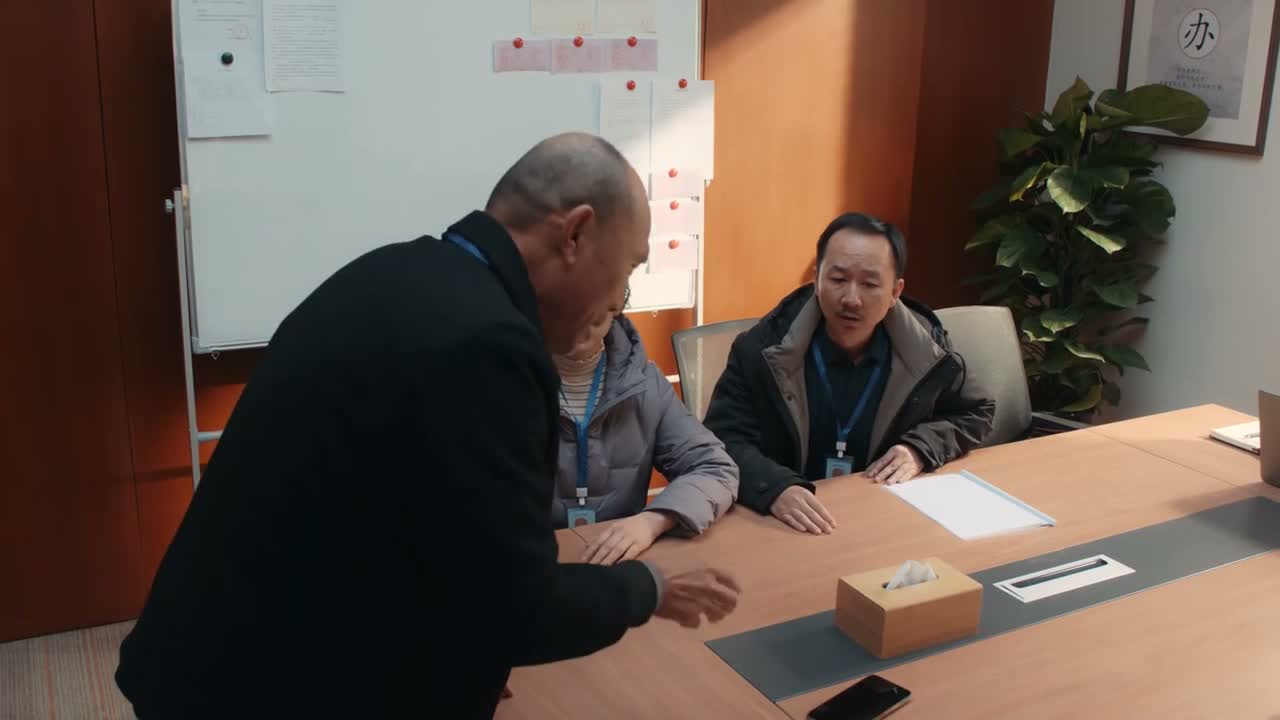
后来我就可奇怪了
“Later, I found it strange.”
THE DIALOGUE REEL
是爱心人士捐赠的
“they were donated by kind people.”
后来我就 可奇怪了
“Later, I found it strange.”
那爱心人士捐赠的
“Because donations”
Direct spoken expression in this communicative setting.
Chinese speakers frequently use temporal markers like '后来' paired with emphatic emotional markers ('可...了') to engage listeners during casual storytelling.
LEARNING CHUNKS & PARTICLES
later on / afterwards
Commonly used in spoken narratives to mark a sequential transition in past events.
really strange / extremely odd
A colloquial northern-leaning pattern where '可' functions as an intensifier meaning 'very' or 'truly'.
Functions here alongside the intensifier '可' to emphasize an emergent state of perception.