MC
MandarinClips Cinema Corpus
《Love Story in the 1970s》 S1·E9 (11:50) HSK 7
nán tóng zhì yě xiào qǐ lái sān èr yī

男同志也笑起来 三 二 一

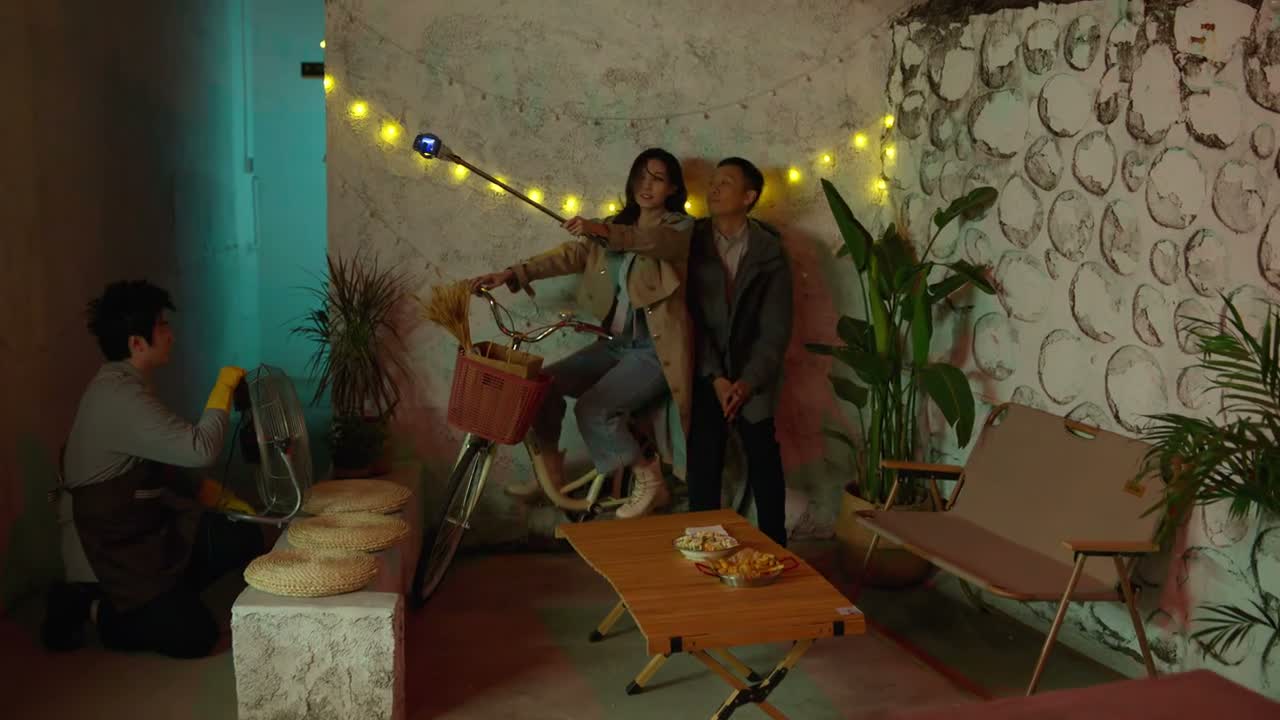
“Sir, give me a smile too. Three, two, one.”

《Love Story in the 1970s》 S1·E9
TIMECODE: 11:50 · 1080P MASTER AUDIO

THE DIALOGUE REEL

1+1+1 SPOKEN CONTINUITY
[-1] PREVIOUS TURN xiào róng hǎo hǎo hǎo

笑容 好好好

“Smile. Good, good.”

nán tóng zhì yě xiào qǐ lái sān èr yī CURRENT FOCUS

男同志 也 笑起来 三 二 一

“Sir, give me a smile too. Three, two, one.”

[+1] FOLLOW-UP TURN jīn tiān a shì gè dà xǐ de rì zi

“Today is a joyous day.”

Subtitles synced to millisecond timecode Browse Show Clips →
Scene: Daily Life
Function: GIVING INSTRUCTIONS
Tone: ENCOURAGING
Emotion: JOY
WHAT THEY REALLY MEAN (PRAGMATIC SUBTEXT)

Direct spoken expression in this communicative setting.

💡 Cultural Insight: The Address 'Comrade' (同志) in Commemorative Photography

In 20th-century socialist China, 'comrade' (同志) was the standard respectful civic address. Photographers at state-run studios commonly used it to address clients politely during marriage registrations or portraits.

INTENT TAGS: #directing #photographing #encouragement #countdown
🧩

LEARNING CHUNKS & PARTICLES

3 CHUNKS · 1 PARTICLES
男同志 SPOKEN CHUNK

male comrade / gentleman

A vintage or formal public address common in mid-to-late 20th-century China, often heard in ceremonial or professional group contexts.

笑起来 SPOKEN CHUNK

to start smiling / smile

Combines the verb '笑' (to smile) with directional complement '起来' to denote the start and continuation of the action.

三 二 一 SPOKEN CHUNK

three, two, one

The standard universal verbal countdown used before snapping a photo.

Modal Particle「也」 (ye) CHANGE OF STATE

Adverb used here to coordinate actions, prompting the male subject to match the female subject's smile.
🏮

VOCABULARY & EXPRESSIONS

2 EXPR · 0 GRAMMAR
CROSS-CINEMA CORPUS BOARD · PARALLEL SCENES

Parallel Spoken Cinema Scenes (语义近邻切片)

EXPLORE BY SEMANTIC SIMILARITY
《Love Story in the 1970s》 S1·E9 (11:50) · Authentic Cinema Dialogue Corpus