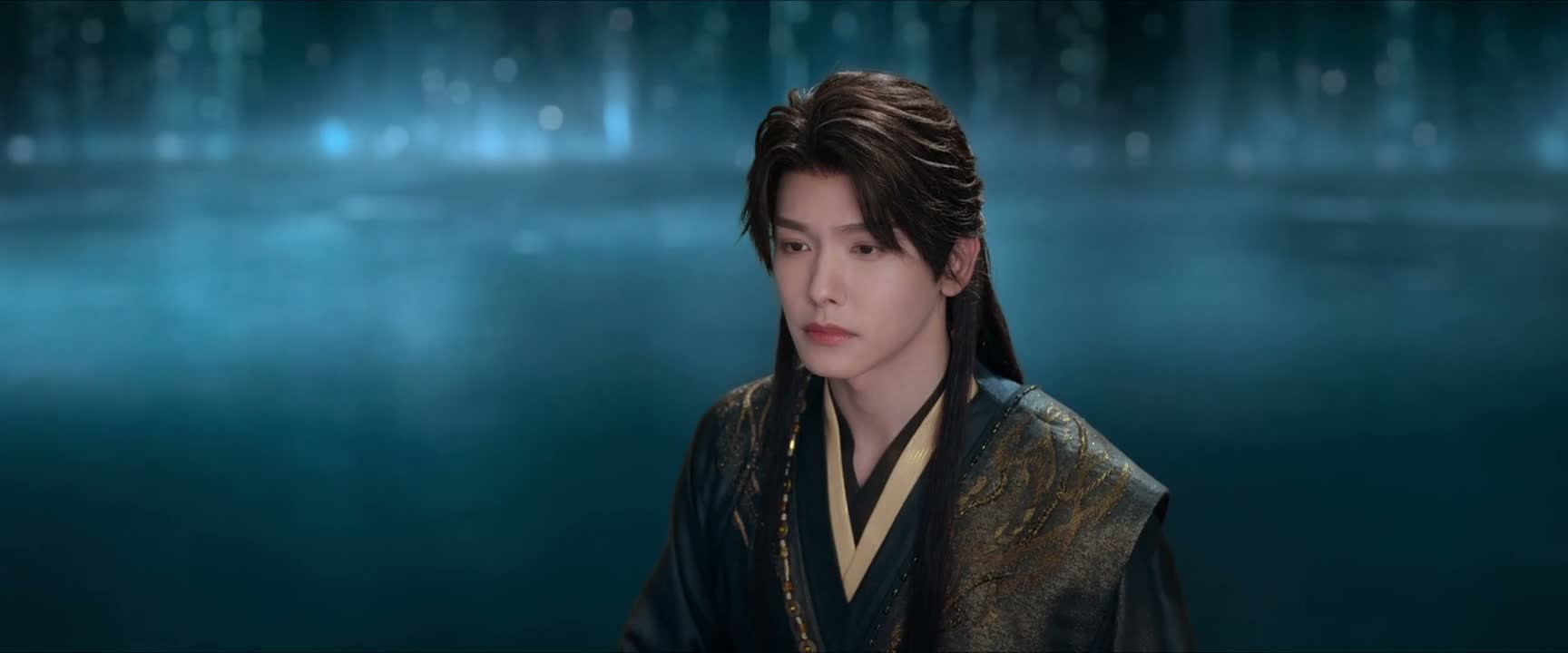
《Generation to Generation》 S1·E13 (19:07)
HSK 4
shēng bù shēng sǐ bù sǐ de
生不生 死不死的
“Neither alive nor dead.”
《Generation to Generation》
S1·E13
TIMECODE: 19:07
·
1080P MASTER AUDIO
THE DIALOGUE REEL
[-1] PREVIOUS TURN
tè bié kě pà
特别可怕
“It's terrifying.”
shēng bù shēng sǐ bù sǐ de
CURRENT FOCUS
生不生 死不死 的
“Neither alive nor dead.”
[+1] FOLLOW-UP TURN
jiào míng zì bù yīng
叫名字不应
“No response when called.”
Subtitles synced to millisecond timecode
Browse Show Clips →
Scene:
Crisis & Conflict
Function:
DESCRIBING ABNORMALITY
Tone:
DREADFUL
Emotion:
FEAR
WHAT THEY REALLY MEAN (PRAGMATIC SUBTEXT)
Direct spoken expression in this communicative setting.
💡 Cultural Insight: Living Dead in Chinese Folklore
Being trapped between life and death violates the natural cosmic order and ancestor rest, representing a fate worse than death itself.
INTENT TAGS:
#horror
#vivid_description
#grotesque
#dread
🧩
1 CHUNKS · 1 PARTICLES
LEARNING CHUNKS & PARTICLES
生不死
SPOKEN CHUNK
neither alive nor dead; caught in a living death
A colloquial descriptive construction emphasizing a grotesque, suspended state between life and death.
Modal Particle「的」 (de)
CHANGE OF STATE
Functions as a colloquial nominalizing or descriptive suffix giving a vivid, lingering quality to the state.
🏮
2 EXPR · 2 GRAMMAR
VOCABULARY & EXPRESSIONS
COLLOQUIAL EXPRESSIONS:
CROSS-CINEMA CORPUS BOARD · PARALLEL SCENES
EXPLORE BY SEMANTIC SIMILARITY
Parallel Spoken Cinema Scenes (语义近邻切片)
《Generation to Generation》 S1·E13 (19:07) · Authentic Cinema Dialogue Corpus