周可杰才慢慢地走出来
“that he slowly found his way back.”
THE DIALOGUE REEL
与众人的鼓励以及陪伴
“with support from his label and friends,”
周可杰才慢慢地 走出来
“that he slowly found his way back.”
“And that's when the now-iconic song”
Direct spoken expression in this communicative setting.
In Chinese emotional discourse, 'walking out' (走出来) represents overcoming profound mental distress or loss, emphasizing gradual self-rehabilitation fostered by communal support.
LEARNING CHUNKS & PARTICLES
to overcome trauma; to emerge from a low point / shadow
A very common figurative expression referring to emotional or psychological recovery from depression, grief, or setbacks.
only then gradually / slowly
Used to denote a protracted, difficult process that only succeeded after specific preconditions were met.
VOCABULARY & EXPRESSIONS
Parallel Spoken Cinema Scenes (语义近邻切片)

“Zhou Kejie, I don't want this anymore. I know you have feelings for me too.”
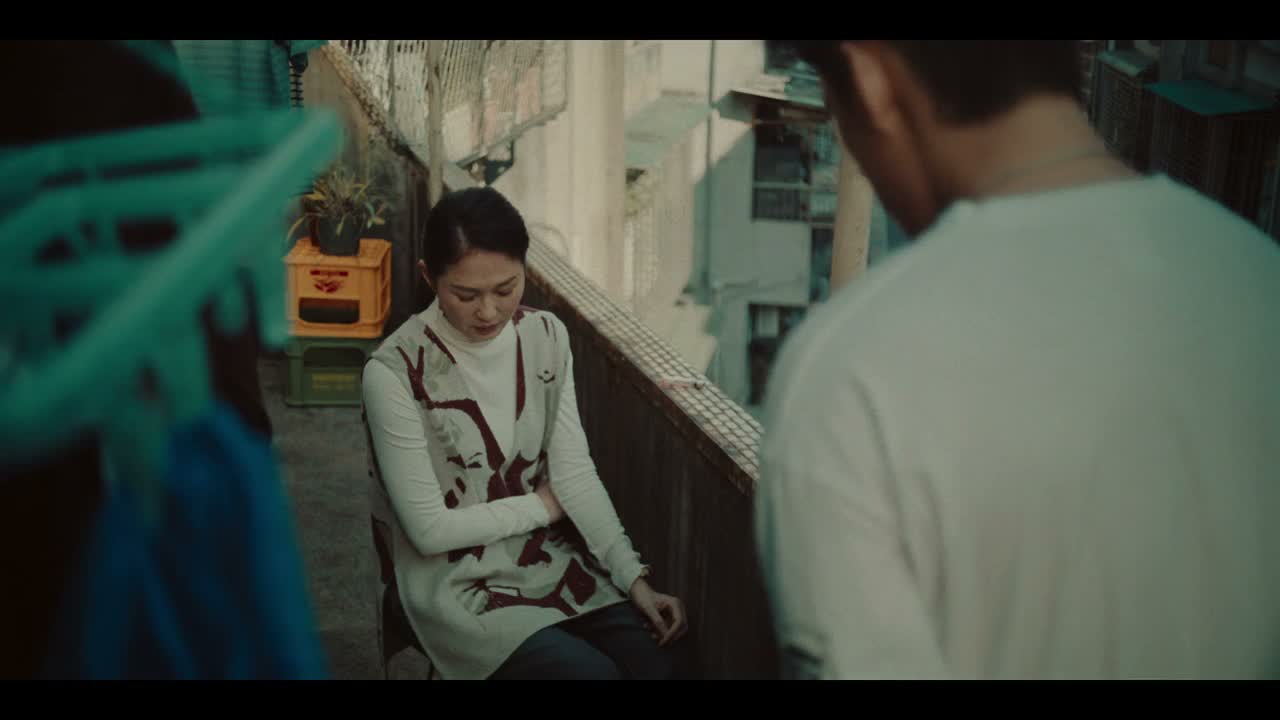
“Zhou Kejie, listen carefully.”
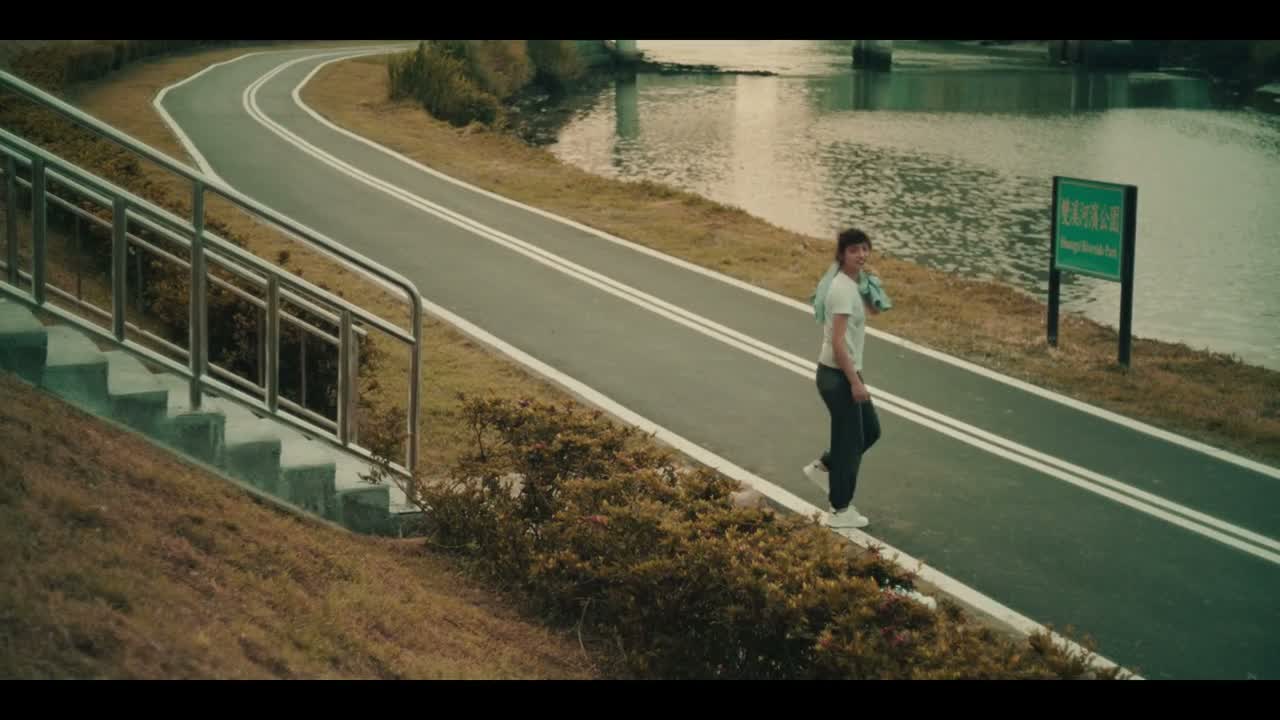
“Zhou Kejie. Same old rule.”
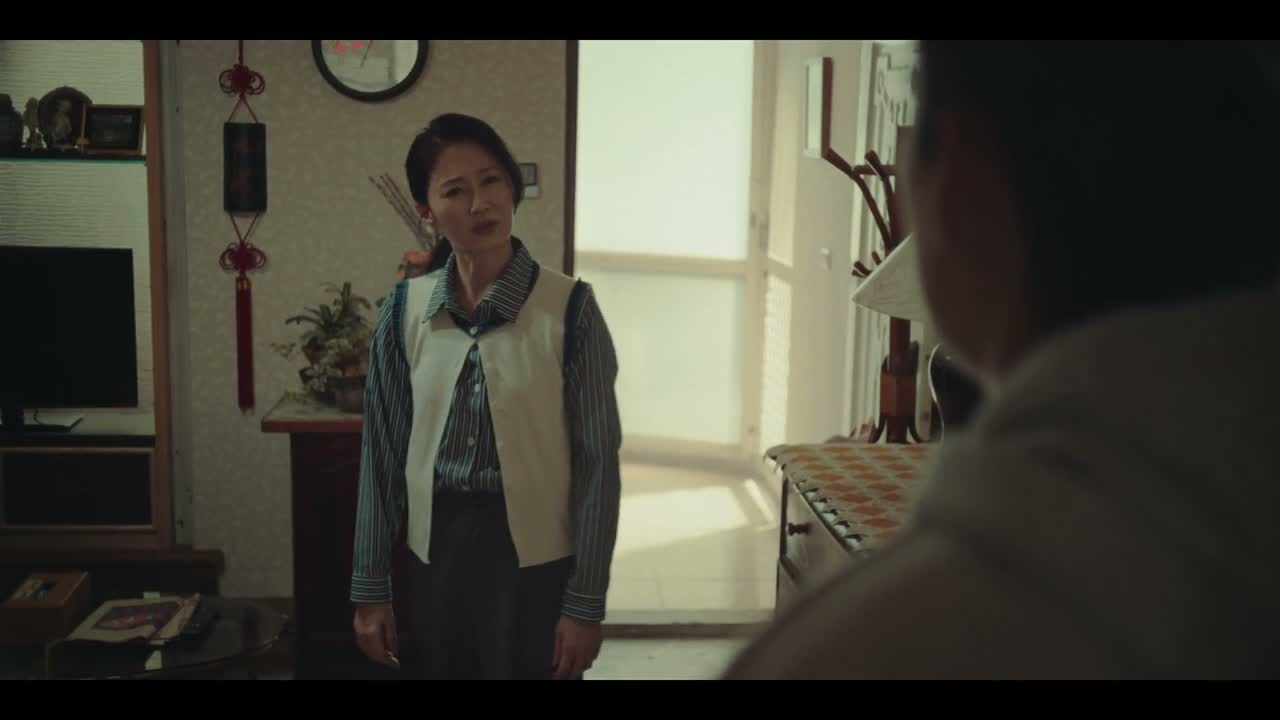
“Zhou Kejie, you're getting more handsome every time I see you.”
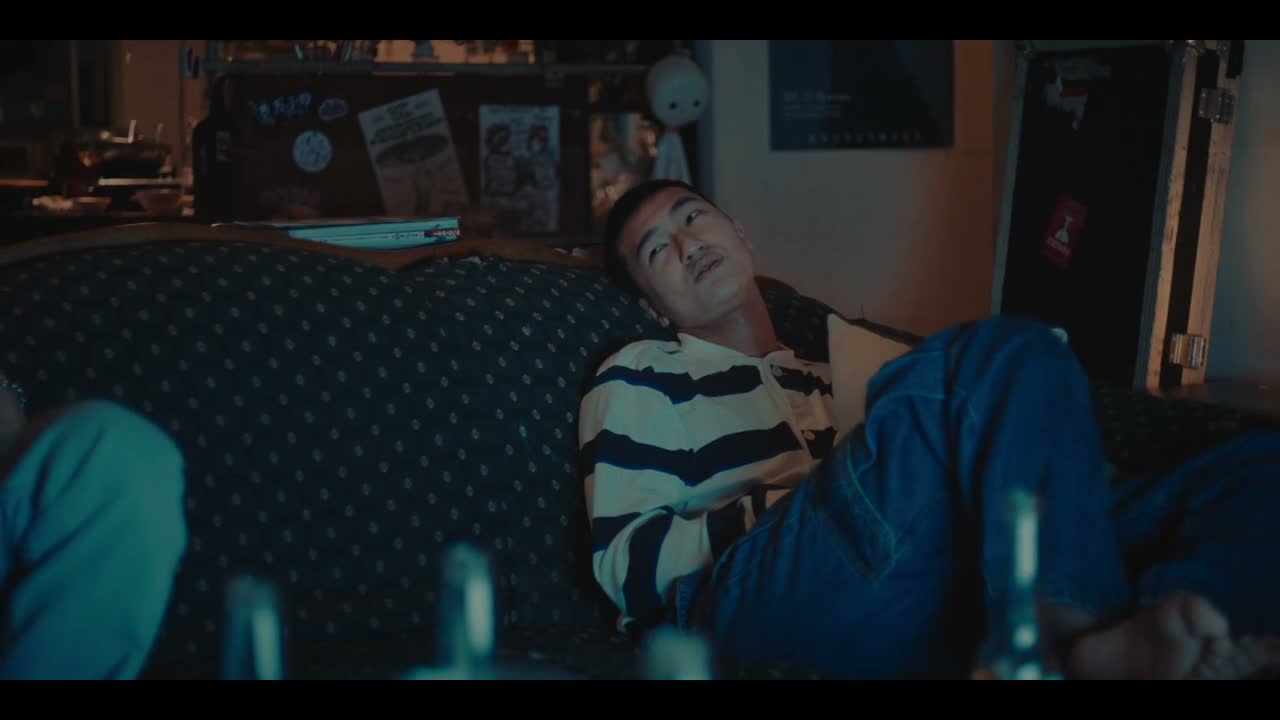
“If Zhou Kejie could break up clean, he wouldn't be Zhou Kejie.”
“Zhou Kejie, what are you doing? Is that really necessary?”