这哪能叫使唤你呀
“How can you call that ordering you around?”
THE DIALOGUE REEL
别装了 你明明就痊愈了 你还在使唤我
“Stop pretending. You're completely healed. Yet you're still ordering me around.”
这 哪能叫使唤你呀
“How can you call that ordering you around?”
“I drive and wash the car. I serve you in the day”
“You're exaggerating—doing favors for me is just part of our closeness, not exploitation.”
In close Chinese relationships, demanding care or services and subsequently downplaying it is part of playful co-dependence rather than actual master-servant disrespect.
LEARNING CHUNKS & PARTICLES
how could it possibly
A classic spoken rhetorical structure used to firmly dispute a characterization made by the other person.
to order someone around; to treat like an errand runner
Carries a slightly derogatory implication of bossiness or treating someone like a domestic helper.
Lends a lively, softened tone to the rhetorical rejection, signaling playful intimacy rather than genuine hostility.
VOCABULARY & EXPRESSIONS
Parallel Spoken Cinema Scenes (语义近邻切片)

“Fine, it's not ordering me around— it's playing the victim.”

“What's wrong with me giving him a few orders?”

“Why does he always boss you around?”

“and I have to take care of everyone.”
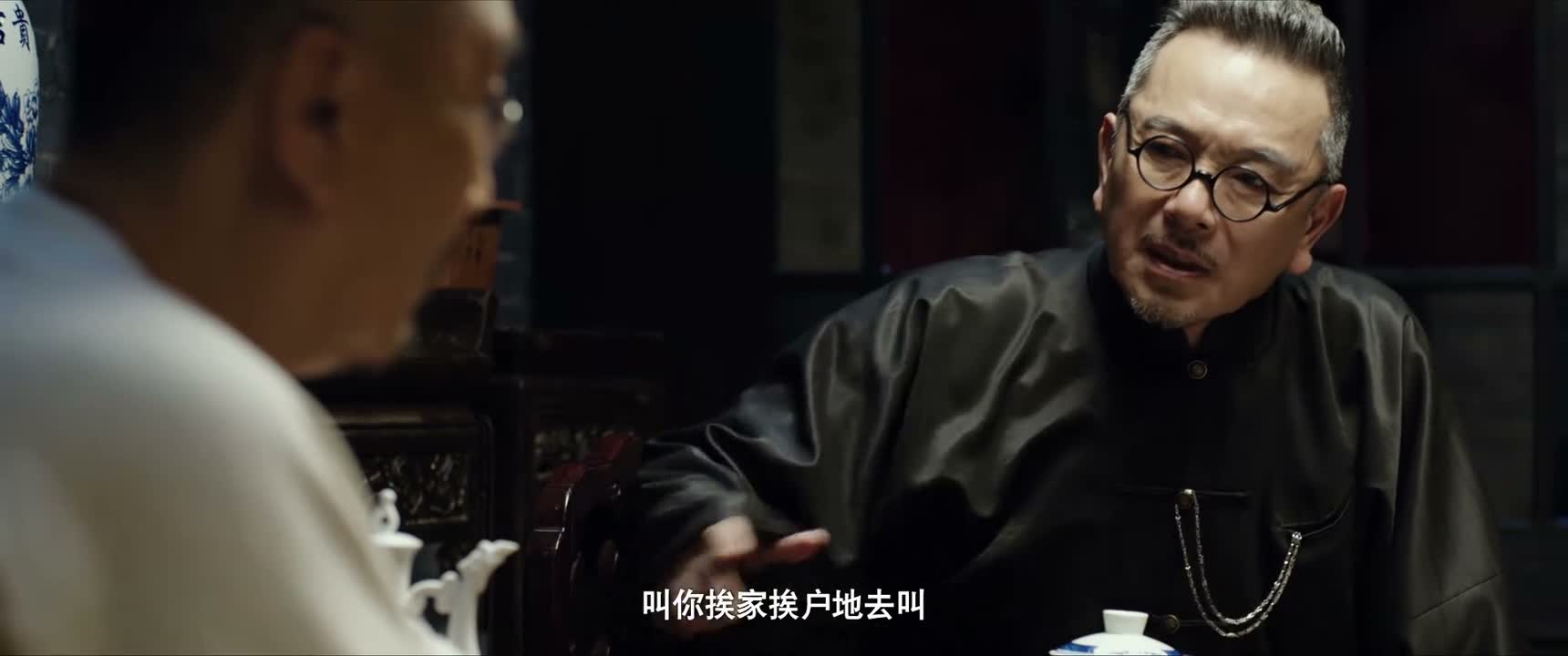
“they told you to go door to door calling people out.”

“Aren't you the one who suggested it? I don't think it's a bad idea.”