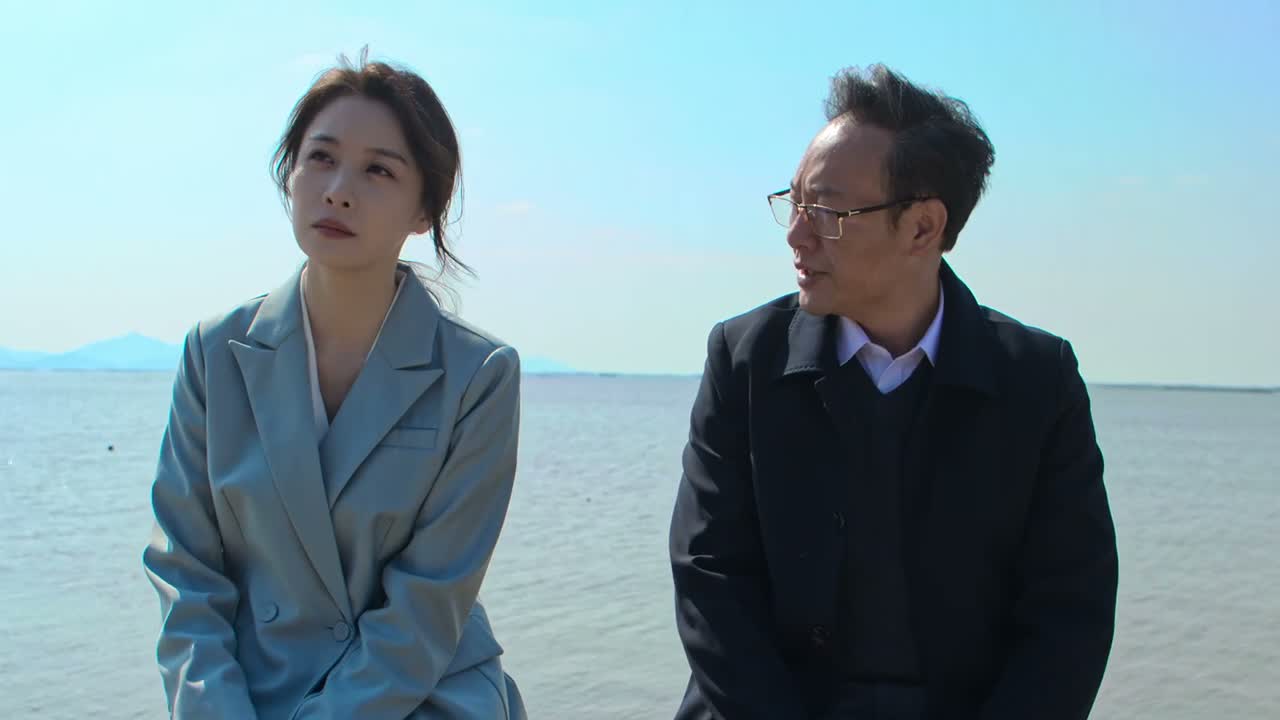
《The Knockout》 S1·E37 (40:50)
HSK 6
nǐ shì bú shì jué de wǒ huì hài nǐ a
你是不是觉得 我会害你啊
“Do you think I will harm you?”
《The Knockout》
S1·E37
TIMECODE: 40:50
·
1080P MASTER AUDIO
THE DIALOGUE REEL
[-1] PREVIOUS TURN
xià lái zǒu zǒu ba
下来走走吧
“Come down for a walk?”
nǐ shì bú shì jué de wǒ huì hài nǐ a
CURRENT FOCUS
你是不是觉得 我会害你啊
“Do you think I will harm you?”
[+1] FOLLOW-UP TURN
nǐ ya
你呀
“You”
Subtitles synced to millisecond timecode
Browse Show Clips →
Scene:
Social & Dating
Function:
PROBING INTENT
Tone:
TEASING
Emotion:
PLAYFULNESS
WHAT THEY REALLY MEAN (PRAGMATIC SUBTEXT)
“You don't need to be so guarded around me; I have good intentions.”
💡 Cultural Insight: Teasing as Rapport Building
In close interpersonal dynamics, explicitly bringing up exaggerated fears such as 'harming someone' serves to dismantle social distance and reaffirm emotional safety.
INTENT TAGS:
#reassurance
#teasing
#building_trust
#probing
🧩
2 CHUNKS · 1 PARTICLES
LEARNING CHUNKS & PARTICLES
你是不是觉得
SPOKEN CHUNK
do you think / do you feel like
A common conversational starter used to gently question or speculate about another person's thoughts or feelings.
害你
SPOKEN CHUNK
harm you / set you up
Often used hyperbolically in colloquial speech to tease someone who is being overly cautious.
Modal Particle「啊」 (a)
CHANGE OF STATE
Softens the direct question into a teasing, affectionate prompt rather than an aggressive confrontation.
🏮
2 EXPR · 0 GRAMMAR
VOCABULARY & EXPRESSIONS
COLLOQUIAL EXPRESSIONS:
CROSS-CINEMA CORPUS BOARD · PARALLEL SCENES
EXPLORE BY SEMANTIC SIMILARITY
Parallel Spoken Cinema Scenes (语义近邻切片)
《The Knockout》 S1·E37 (40:50) · Authentic Cinema Dialogue Corpus