我哪一点 对不起他唐小虎啊
“[Chairman's Office] What did I do to Tang Xiaohu?”
THE DIALOGUE REEL
“a self-directed trick by Jiang Tian too.”
我哪一点 对不起 他唐小虎啊
“[Chairman's Office] What did I do to Tang Xiaohu?”
可是他不止一次 在外面找女人哪
“[Chairman's Office] But he has had affairs more than once.”
“I have been entirely loyal to him, so he has zero excuse to treat me like this.”
Chinese interpersonal ethics strongly emphasize reciprocating loyalty; claiming that one has never 'wronged' a partner places the speaker on high moral ground.
LEARNING CHUNKS & PARTICLES
in what way; which aspect
Used in rhetorical questions to strongly challenge an accusation or claim of fault.
to wrong someone; to let someone down
Beyond meaning 'sorry', it frequently serves as a transitive verb meaning to fail or betray someone's trust.
Accentuates righteous indignation and emotional outcry.
VOCABULARY & EXPRESSIONS
Parallel Spoken Cinema Scenes (语义近邻切片)
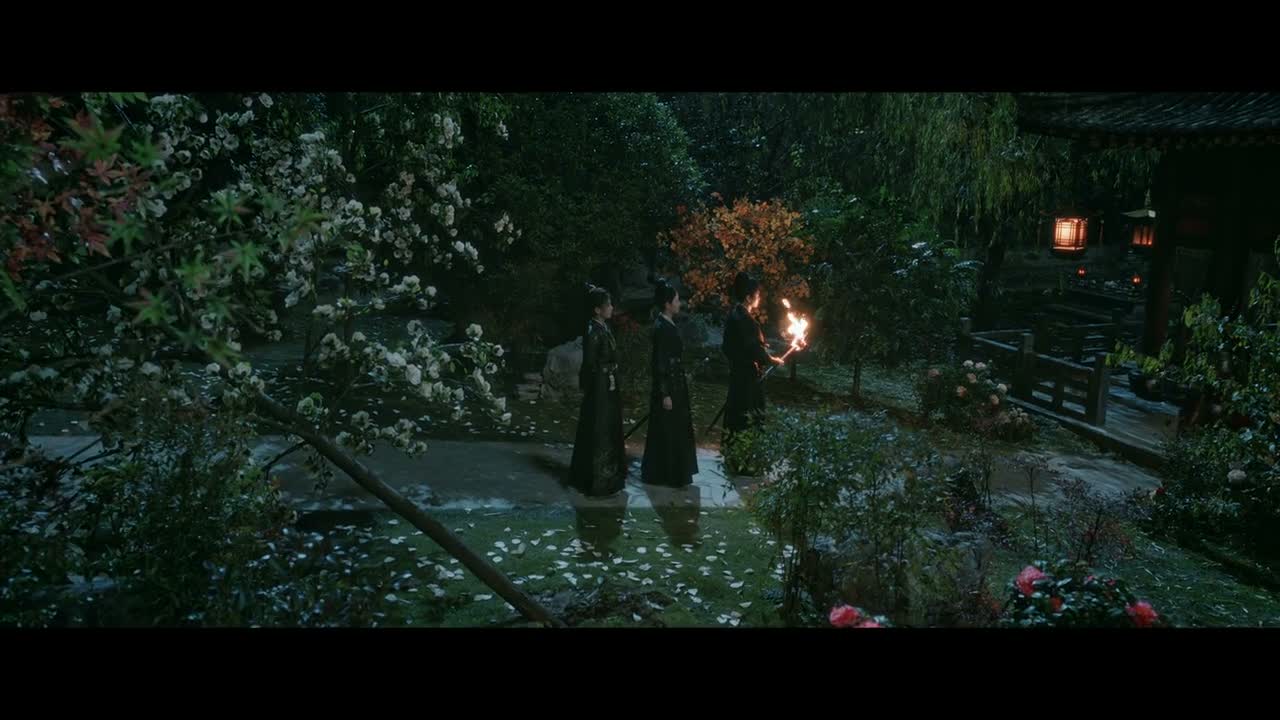
“Where are they? You'll see in a second.”
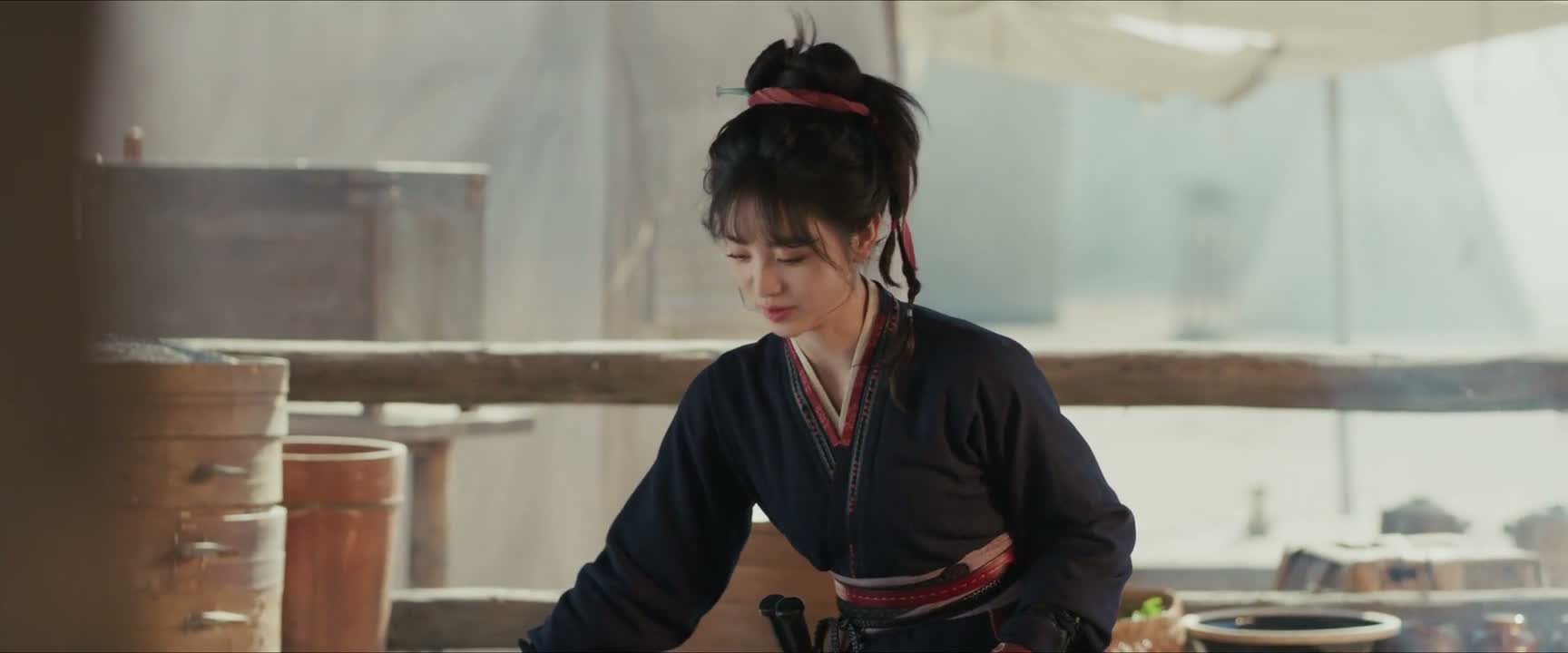
“How could I hold a grudge?”
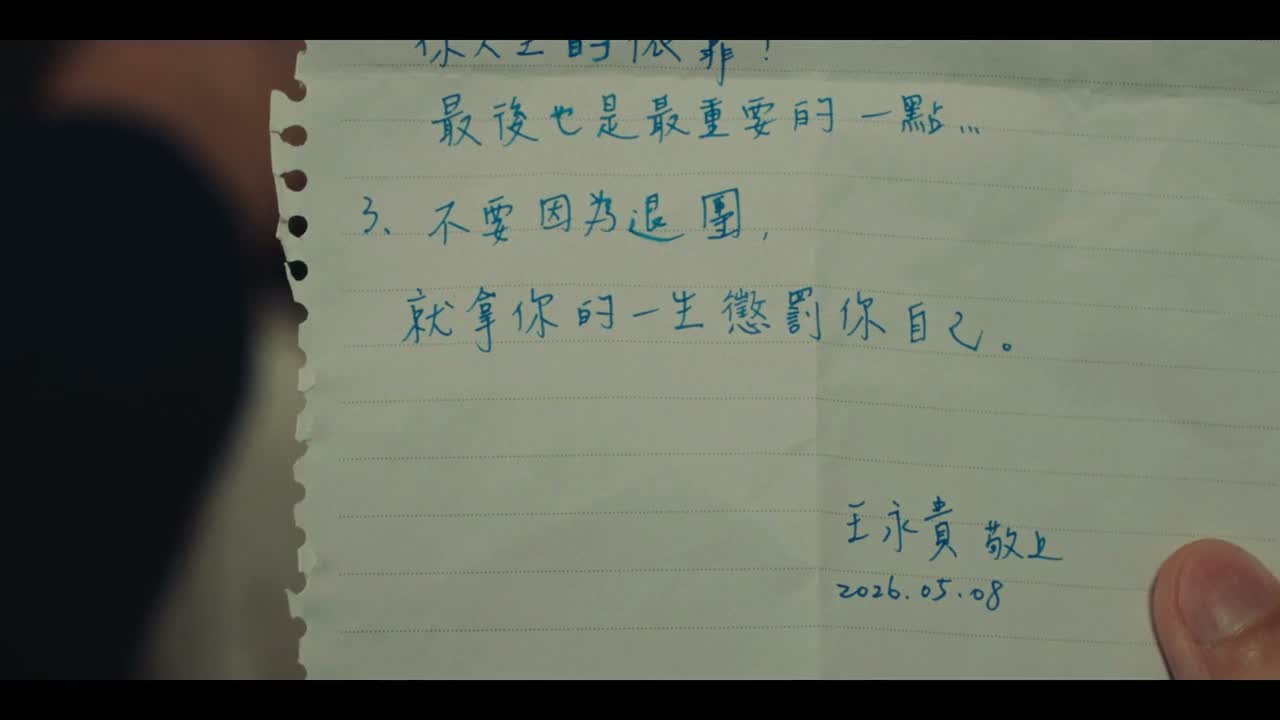
“I'm not…”

“-Take care then. -I can go back to my room on my own. Where to go?”

“What do you mean? I made it with my own hands.”

“Shut up, you moron!”