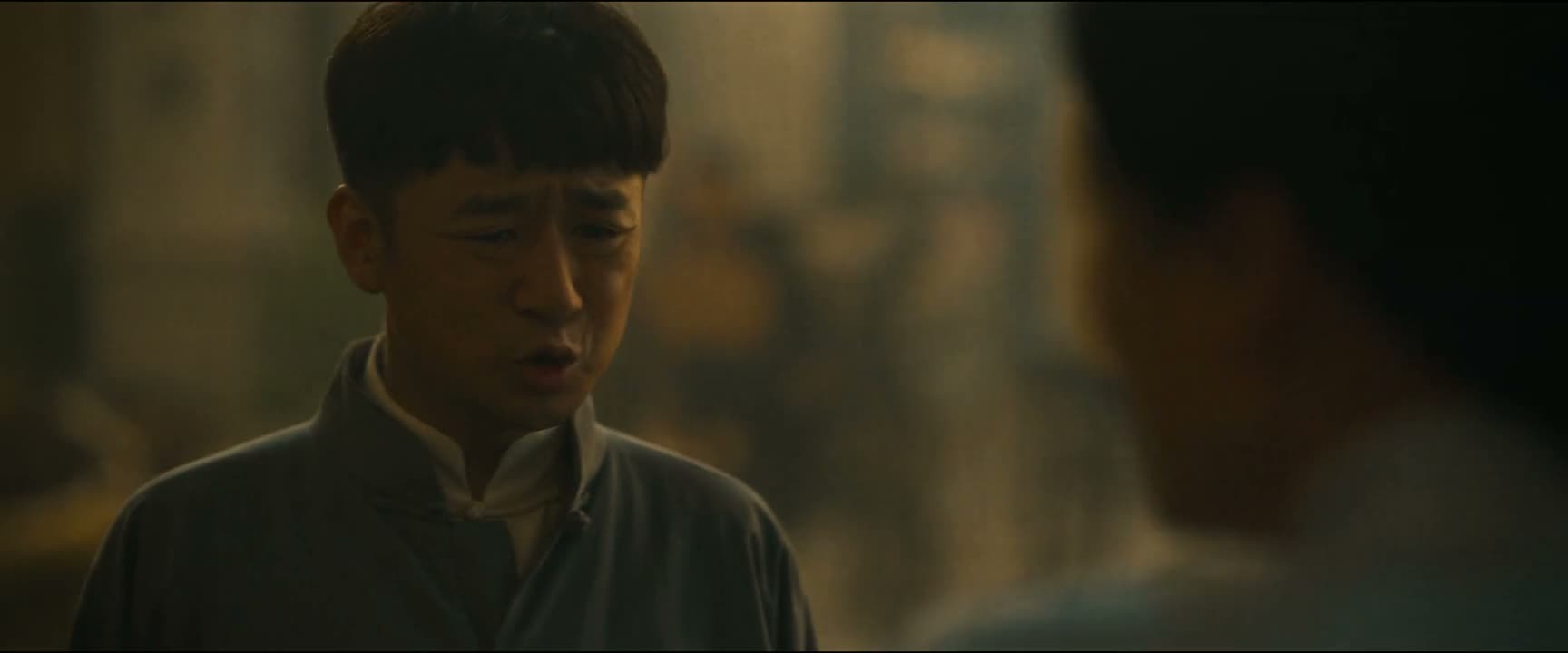
《Light to the Night》 S1·E27 (25:43)
HSK 5
nǐ wèi shén me yào zhè me shuō ya ?
你为什么要这么说呀?
“why would you say that?”
《Light to the Night》
S1·E27
TIMECODE: 25:43
·
1080P MASTER AUDIO
THE DIALOGUE REEL
[-1] PREVIOUS TURN
xiǎo rǎn gē
小冉哥
“Ran,”
nǐ wèi shén me yào zhè me shuō ya ?
CURRENT FOCUS
你 为什么要这么说 呀?
“why would you say that?”
[+1] FOLLOW-UP TURN
nǐ pāo shī qù le ba ?
你抛尸去了吧?
“You were dumping a body, weren't you?”
Subtitles synced to millisecond timecode
Browse Show Clips →
Scene:
Legal & Police
Function:
CHALLENGING STATEMENT
Tone:
PROBING
Emotion:
SUSPICION
WHAT THEY REALLY MEAN (PRAGMATIC SUBTEXT)
“What are you hiding by making that kind of claim?”
💡 Cultural Insight: Softening Interrogation Tones
Using sentence-final particles like 'ya' allows speakers to probe deep motives without sounding overtly aggressive, often disarming the respondent.
INTENT TAGS:
#probing
#questioning
#suspicion
#doubt
🧩
1 CHUNKS · 1 PARTICLES
LEARNING CHUNKS & PARTICLES
为什么要这么说
SPOKEN CHUNK
why say it like that / why make such a statement
A common phrase used to question someone's motives, framing, or justification for their words.
Modal Particle「呀」 (ya)
CHANGE OF STATE
Softens the bluntness of the question, making the inquiry sound less harsh but more probing.
🏮
1 EXPR · 0 GRAMMAR
VOCABULARY & EXPRESSIONS
COLLOQUIAL EXPRESSIONS:
CROSS-CINEMA CORPUS BOARD · PARALLEL SCENES
EXPLORE BY SEMANTIC SIMILARITY
Parallel Spoken Cinema Scenes (语义近邻切片)

《Light to the Night》 S1·E27 (25:43) · Authentic Cinema Dialogue Corpus