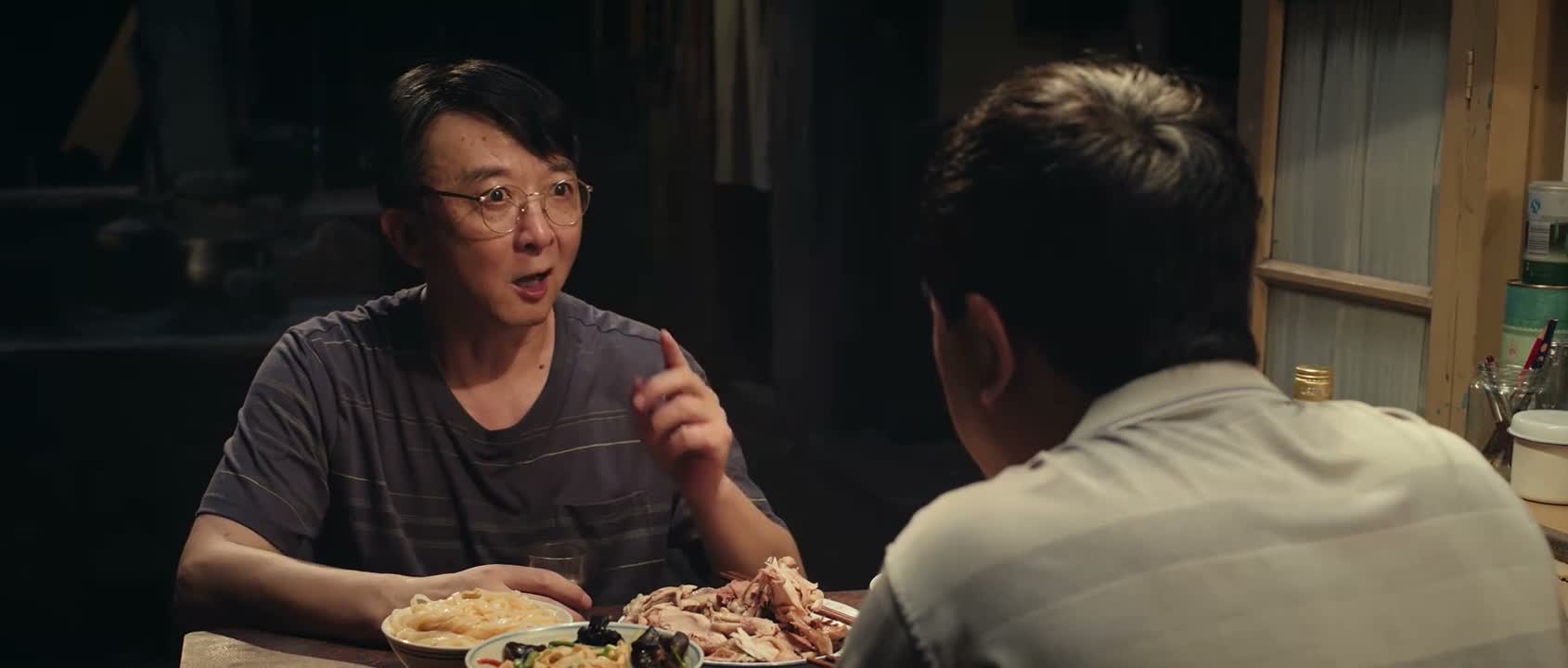
《The Lead》 S1·E35 (08:04)
HSK 6
nà yě shì yǐ qián de xīn xì ma
那也是以前的新戏嘛
“were once new plays too, right?”
《The Lead》
S1·E35
TIMECODE: 08:04
·
1080P MASTER AUDIO
THE DIALOGUE REEL
[-1] PREVIOUS TURN
nà xiàn zài zhè lǎo xì
那现在这老戏
“Well, the old plays we have now”
nà yě shì yǐ qián de xīn xì ma
CURRENT FOCUS
那 也是 以前的新戏 嘛
“were once new plays too, right?”
[+1] FOLLOW-UP TURN
nǐ zhè huì er zài bù xiě xīn xì
你这会儿再不写新戏
“If you don't write new plays now,”
Subtitles synced to millisecond timecode
Browse Show Clips →
Scene:
Workplace
Function:
COUNTER ARGUING
Tone:
DISMISSIVE
Emotion:
IMPATIENCE
WHAT THEY REALLY MEAN (PRAGMATIC SUBTEXT)
“Calling that a 'new play' is outdated; we can't rest on past laurels.”
💡 Cultural Insight: Tradition vs. Innovation in Theater
Chinese opera and drama troupes frequently face internal generational tensions between relying on traditional repertoire and creating new productions.
INTENT TAGS:
#refuting
#clarifying
#dismissal
#persuasion
🧩
1 CHUNKS · 1 PARTICLES
LEARNING CHUNKS & PARTICLES
以前的
SPOKEN CHUNK
past / former
Used as an attributive to describe something from an earlier time.
Modal Particle「嘛」 (ma)
CHANGE OF STATE
Marks an obvious point or common sense fact, nudging the listener to accept the truth of the statement.
🏮
2 EXPR · 0 GRAMMAR
VOCABULARY & EXPRESSIONS
COLLOQUIAL EXPRESSIONS:
CROSS-CINEMA CORPUS BOARD · PARALLEL SCENES
EXPLORE BY SEMANTIC SIMILARITY
Parallel Spoken Cinema Scenes (语义近邻切片)
《The Lead》 S1·E35 (08:04) · Authentic Cinema Dialogue Corpus