我就把饭啊 菜啊
“I put the food”
THE DIALOGUE REEL
我都没心情吃饭
“I had no appetite.”
我就把饭啊 菜啊
“I put the food”
就放冰箱里了
“in the fridge.”
Direct spoken expression in this communicative setting.
In Chinese everyday speech, stating that one has 'no mood to eat' and merely packing away the meal is a common way to express distress, anxiety, or low spirits.
LEARNING CHUNKS & PARTICLES
the food, dishes, and everything
Using '啊' after listed nouns creates an informal, colloquial enumeration indicating everyday clutter or routine items.
put ... into the refrigerator
A classic disposal (ba-construction) structure used for relocating physical objects.
Appears here as an enumerative particle between nouns, giving the speech an easygoing, conversational rhythm.
Parallel Spoken Cinema Scenes (语义近邻切片)

“My treat! What treat?”

“I'm eating.”
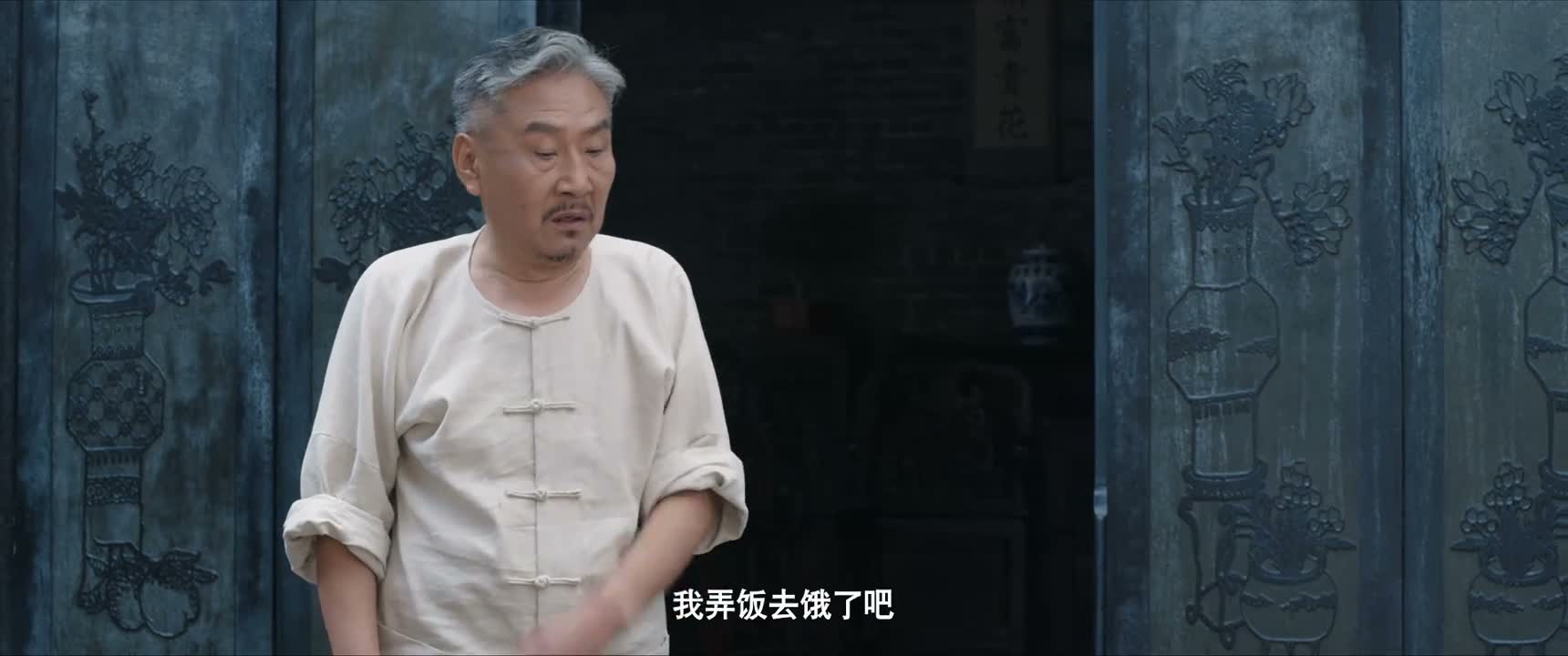
“I'll make food. You must be hungry.”

“But you do like the food I cook for you.”

“Why don't you just have me cook the whole meal?”
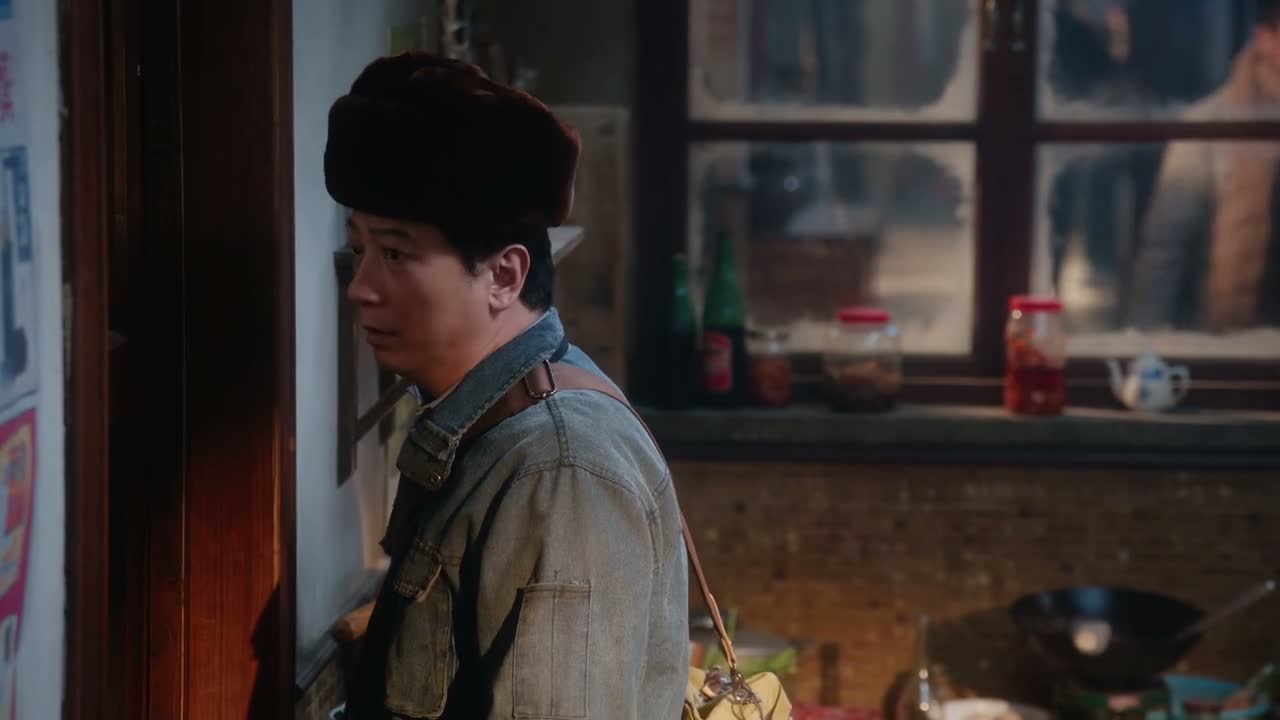
“I can't wait to taste this spread of food.”