MC
MandarinClips Cinema Corpus
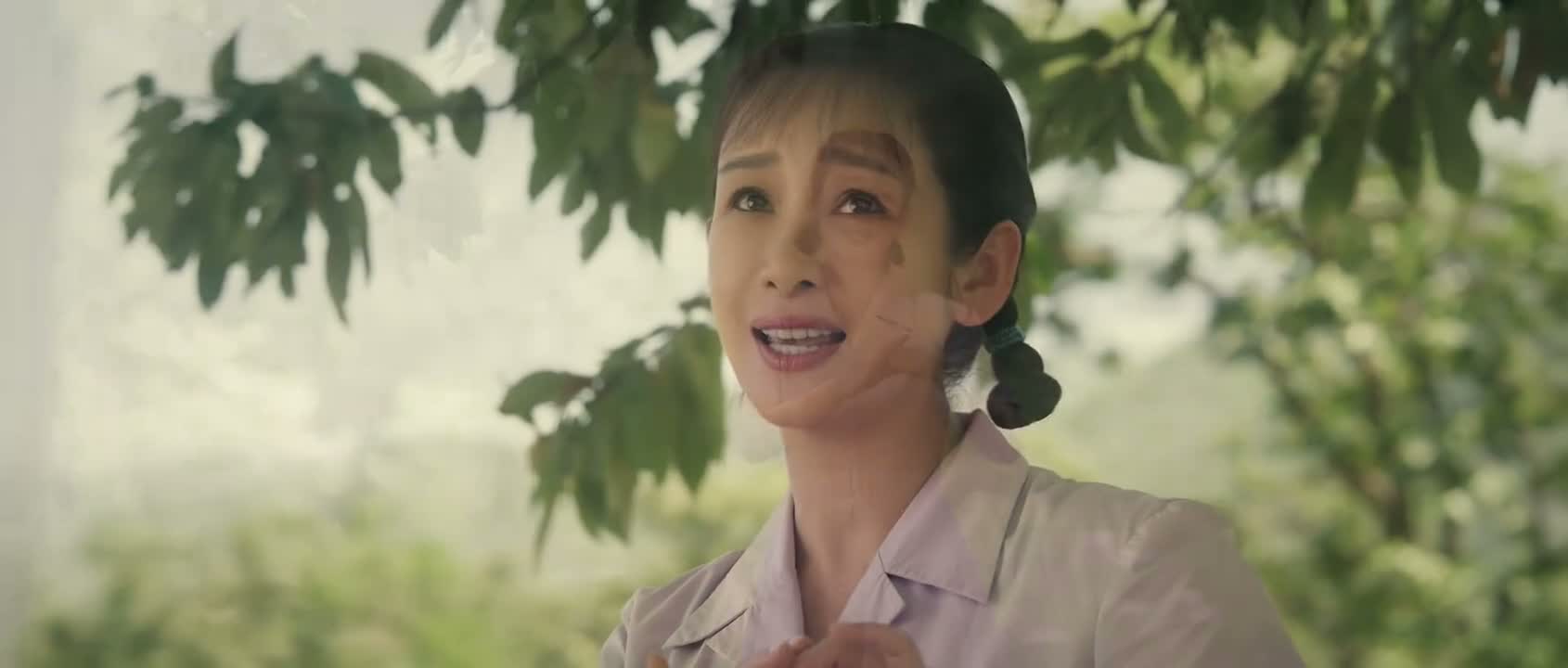
《Go Ahead》 S1·E2 (18:09) HSK 7
pí qì bù tài hǎo lǎo luàn fà huǒ

脾气不太好 老乱发火

“is hot-tempered and always gets annoyed without reason,”

《Go Ahead》 S1·E2
TIMECODE: 18:09 · 1080P MASTER AUDIO

THE DIALOGUE REEL

1+1+1 SPOKEN CONTINUITY
[-1] PREVIOUS TURN zhè ge xiǎo jiān ne

这个小尖呢

“Jianjian”

pí qì bù tài hǎo lǎo luàn fà huǒ CURRENT FOCUS

脾气不太好 老乱发火

“is hot-tempered and always gets annoyed without reason,”

[+1] FOLLOW-UP TURN dàn shì nǐ bǐ tā dà diǎn

但是你比她大点

“but you are older than her,”

Subtitles synced to millisecond timecode Browse Show Clips →
Scene: Family & Home
Function: CRITICIZING BEHAVIOR
Tone: CANDID
Emotion: ANNOYANCE
WHAT THEY REALLY MEAN (PRAGMATIC SUBTEXT)

Direct spoken expression in this communicative setting.

💡 Cultural Insight: Emotional Restraint in Close Relations

Losing one's temper (发火) is viewed negatively in Chinese collective and familial ethics, often prompting older peers or relatives to urge tolerance and compromise.

INTENT TAGS: #criticism #evaluation #character_assessment #complaint
🧩

LEARNING CHUNKS & PARTICLES

2 CHUNKS · 0 PARTICLES
脾气不太好 SPOKEN CHUNK

not having a very good temper

A standard spoken understatement used to describe someone who is easily angered or irritable.

乱发火 SPOKEN CHUNK

lose one's temper without good reason

Combines '乱' (recklessly/randomly) with '发火' (lose temper) to criticize irrational anger.
🏮

VOCABULARY & EXPRESSIONS

2 EXPR · 0 GRAMMAR
CROSS-CINEMA CORPUS BOARD · PARALLEL SCENES

Parallel Spoken Cinema Scenes (语义近邻切片)

EXPLORE BY SEMANTIC SIMILARITY
《Go Ahead》 S1·E2 (18:09) · Authentic Cinema Dialogue Corpus