MC
MandarinClips Cinema Corpus
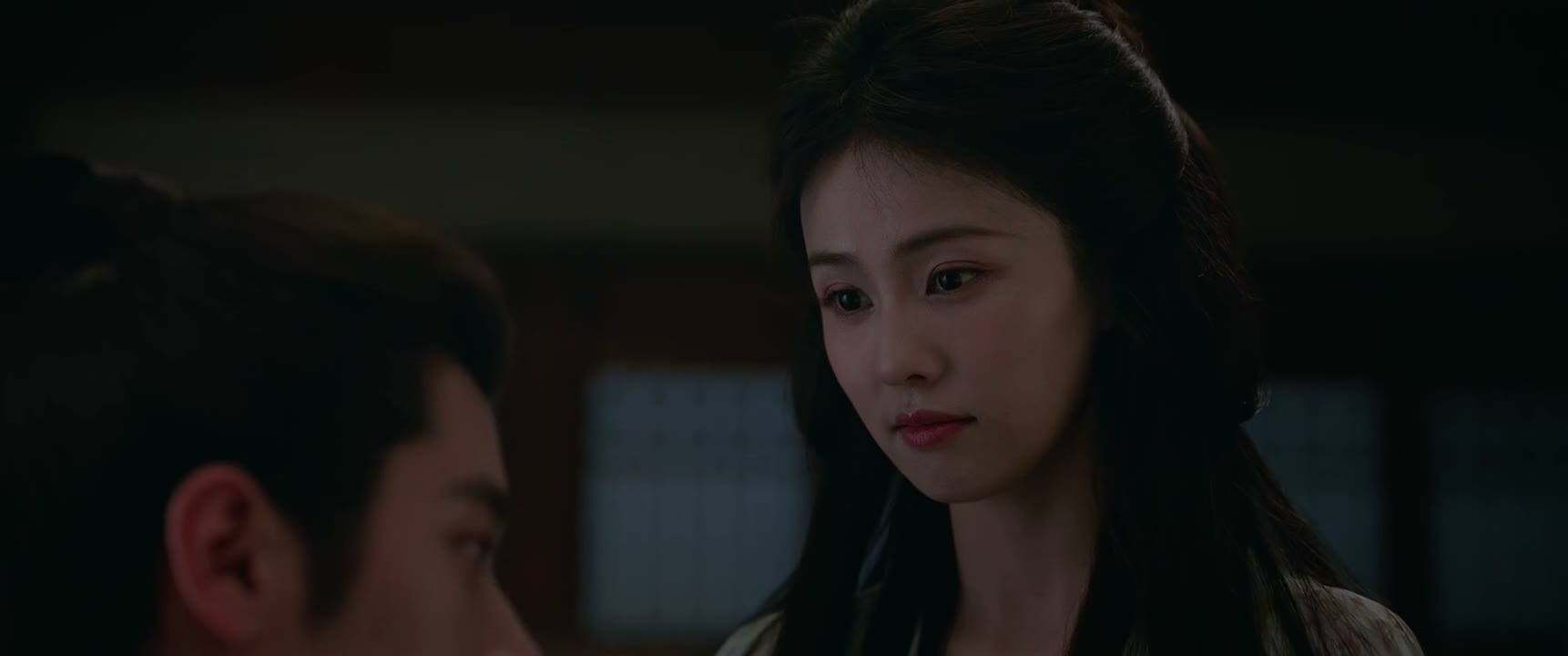
《Go Ahead》 S1·E6 (30:53) HSK 7
zǎo diǎn shuì a hǎo bié kàn tài wǎn

早点睡啊 好 别看太晚

“Sleep early. OK. Don't study too late.”

《Go Ahead》 S1·E6
TIMECODE: 30:53 · 1080P MASTER AUDIO

THE DIALOGUE REEL

1+1+1 SPOKEN CONTINUITY
[-1] PREVIOUS TURN nà xíng nà èr yí nǐ zǎo diǎn xiū xī ba wǒ zhēn shàng qù le

“OK. Aunt He Lan, go to bed early. I'm going upstairs.”

zǎo diǎn shuì a hǎo bié kàn tài wǎn CURRENT FOCUS

早点睡啊 好 别看太晚

“Sleep early. OK. Don't study too late.”

[+1] FOLLOW-UP TURN shuì le ma

睡了吗

“Are you asleep?”

Subtitles synced to millisecond timecode Browse Show Clips →
Scene: Family & Home
Function: CARING ADMONITION
Tone: GENTLE
Emotion: CARE
WHAT THEY REALLY MEAN (PRAGMATIC SUBTEXT)

Direct spoken expression in this communicative setting.

💡 Cultural Insight: Familial Care via Daily Reminders

In Chinese culture, affection is frequently expressed through practical advice regarding health and routine, such as telling family members to sleep early or eat well.

INTENT TAGS: #caring #reminder #bedtime #admonition
🧩

LEARNING CHUNKS & PARTICLES

2 CHUNKS · 1 PARTICLES
早点睡 SPOKEN CHUNK

go to bed early

A very common daily phrase used to show caring concern toward friends or family members before sleeping.

别看太晚 SPOKEN CHUNK

don't stay up too late watching or reading

Typically used by parents or elders urging someone not to stare at screens or books late into the night.

Modal Particle「啊」 (a) CHANGE OF STATE

Softens the imperative urge, turning a direct order into an affectionate reminder.
🏮

VOCABULARY & EXPRESSIONS

1 EXPR · 0 GRAMMAR
COLLOQUIAL EXPRESSIONS:
CROSS-CINEMA CORPUS BOARD · PARALLEL SCENES

Parallel Spoken Cinema Scenes (语义近邻切片)

EXPLORE BY SEMANTIC SIMILARITY
《Go Ahead》 S1·E6 (30:53) · Authentic Cinema Dialogue Corpus