MC
MandarinClips Cinema Corpus
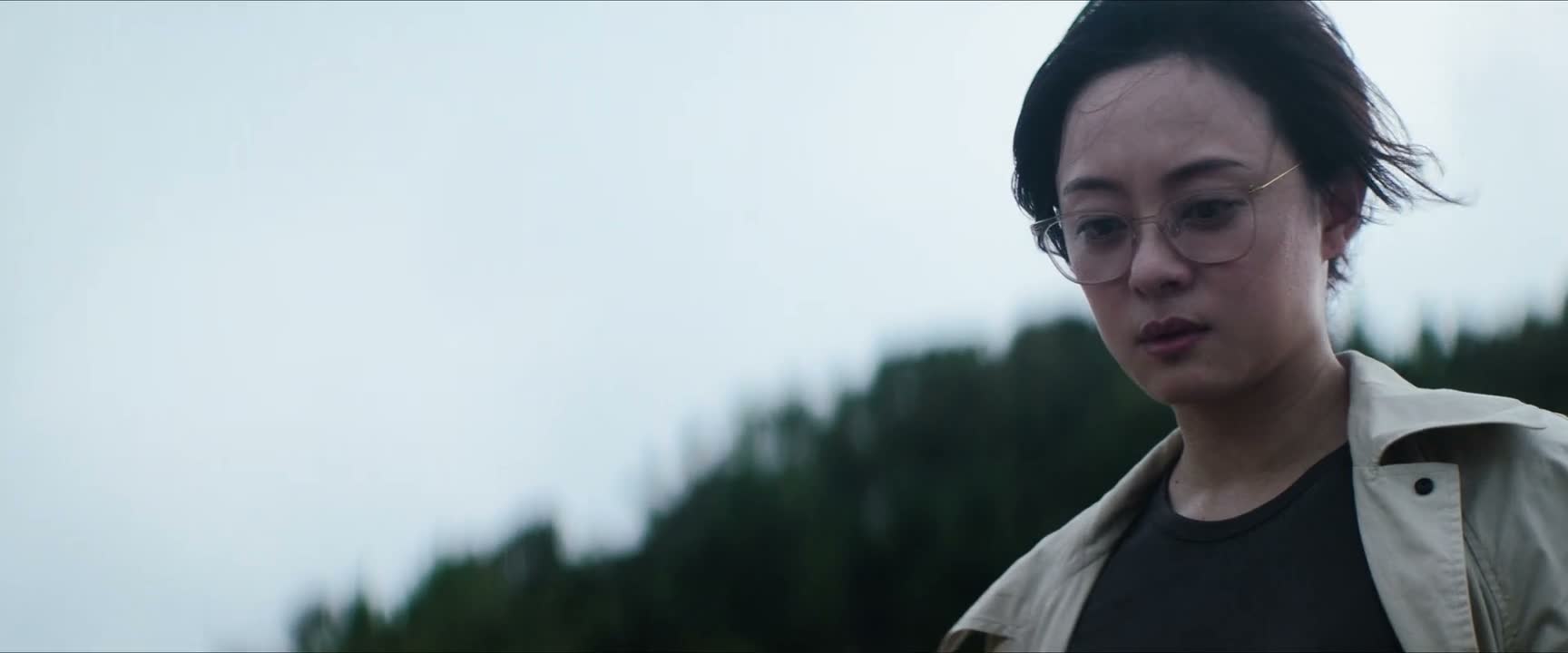
《The Knockout》 S1·E8 (36:40) HSK 4
bù hǎo yì sī gāo lǎo shī jiā lǐ chū le diǎn shì lǐ jiě

不好意思 高老师 家里出了点事 理解

“Sorry, Mr. Gao. Something happened to my family a while ago. It's fine.”

《The Knockout》 S1·E8
TIMECODE: 36:40 · 1080P MASTER AUDIO

THE DIALOGUE REEL

1+1+1 SPOKEN CONTINUITY
[-1] PREVIOUS TURN hǎo

好

“Okay.”

bù hǎo yì sī gāo lǎo shī jiā lǐ chū le diǎn shì lǐ jiě CURRENT FOCUS

不好意思 高老师 家里出了点事 理解

“Sorry, Mr. Gao. Something happened to my family a while ago. It's fine.”

[+1] FOLLOW-UP TURN lái nín kàn

来 您看

“Here. Take a look.”

Subtitles synced to millisecond timecode Browse Show Clips →
Scene: Workplace
Function: APOLOGIZING
Tone: APOLOGETIC
Emotion: REGRET
WHAT THEY REALLY MEAN (PRAGMATIC SUBTEXT)

Direct spoken expression in this communicative setting.

💡 Cultural Insight: Honorific Title 'Laoshi'

In Chinese culture, addressing someone as 'Laoshi' (Teacher) extends well beyond academia to show respect for seniors, mentors, or skilled professionals in workplace settings.

INTENT TAGS: #apology #politeness #face_saving #seeking_empathy
🧩

LEARNING CHUNKS & PARTICLES

3 CHUNKS · 1 PARTICLES
不好意思 SPOKEN CHUNK

excuse me / I'm sorry

A standard, polite spoken phrase used for minor inconveniences or social apologies.

出了点事 SPOKEN CHUNK

something came up / a minor incident happened

A polite, vague way to explain a delay or absence without oversharing private details.

理解 SPOKEN CHUNK

please understand / excuse me

Used here elliptically in spoken Chinese to appeal for empathy and forgiveness.

Modal Particle「了」 (le) CHANGE OF STATE

Indicates the occurrence of a new event or change of state regarding the family situation.
🏮

VOCABULARY & EXPRESSIONS

3 EXPR · 0 GRAMMAR
CROSS-CINEMA CORPUS BOARD · PARALLEL SCENES

Parallel Spoken Cinema Scenes (语义近邻切片)

EXPLORE BY SEMANTIC SIMILARITY
《The Knockout》 S1·E8 (36:40) · Authentic Cinema Dialogue Corpus