她这是在给未出世的孩子烧纸
“She's been burning paper offerings for her unborn child.”
THE DIALOGUE REEL
待了一个上午了
“all morning.”
她这是在给未出世的孩子 烧纸
“She's been burning paper offerings for her unborn child.”
谢妃娘娘烧纸极慢
“She's burning them very slowly.”
“She isn't just wasting time; she is grieving the tragic loss of her unborn child.”
Burning joss paper is a sacred Chinese funerary rite meant to provide comforts and money to deceased souls in the afterlife, often loaded with deep personal sorrow.
LEARNING CHUNKS & PARTICLES
to burn joss paper (spirit money) for the deceased
Refers to traditional Chinese ancestral worship and mourning practices for deceased relatives or spirits.
unborn
Used to describe a child who died before birth or is yet to be born.
VOCABULARY & EXPRESSIONS
Parallel Spoken Cinema Scenes (语义近邻切片)

“People burn paper money during festivals”

“If anything, shouldn't it be paper money?”

“Weren't you afraid of being discovered burning spirit money in the night?”
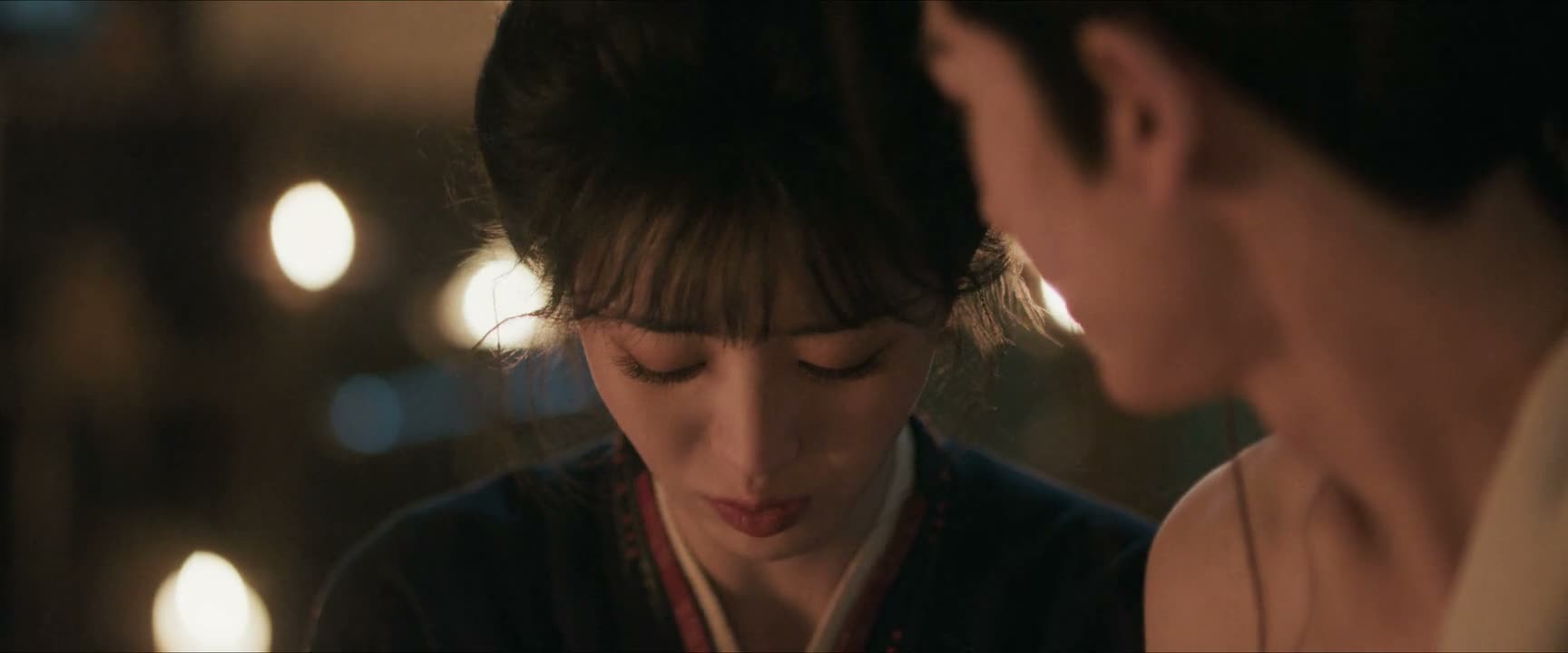
“I would burn paper money for you.”
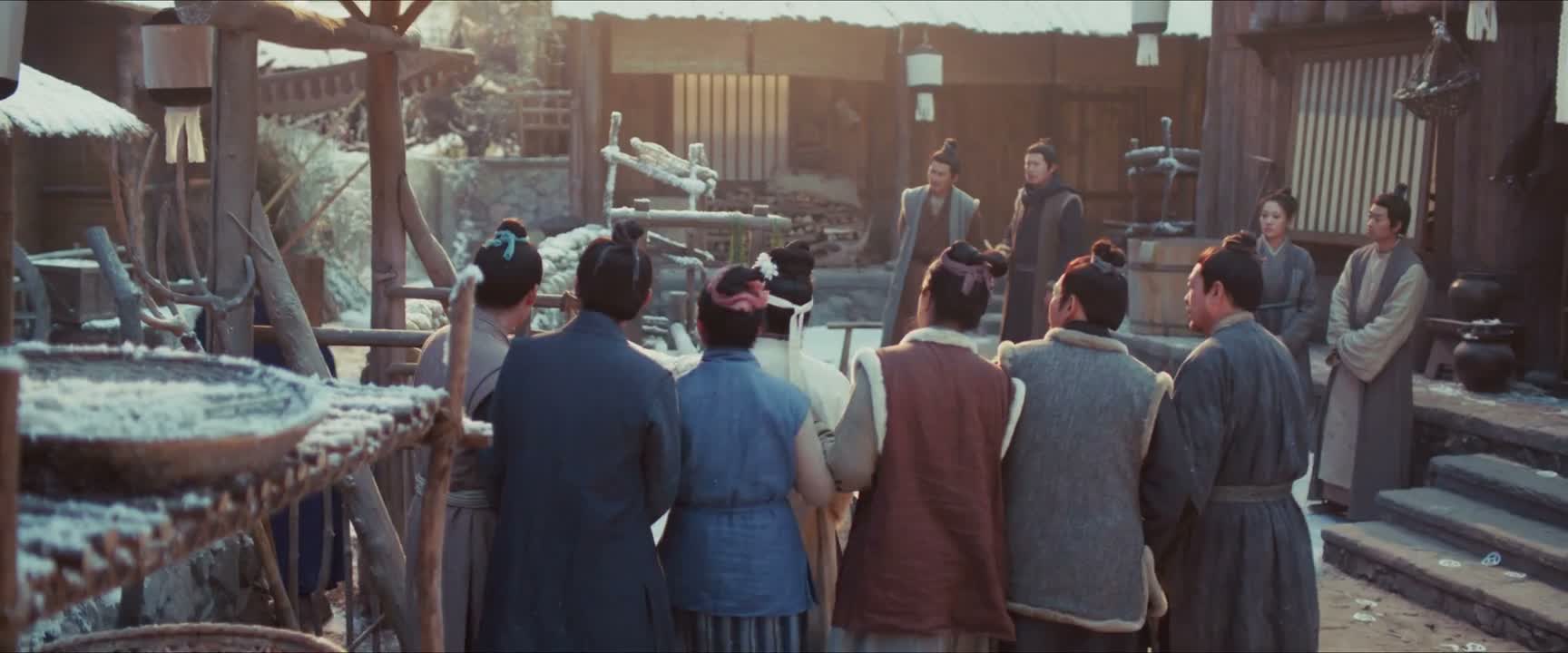
“She doesn't even pay respects to her uncle!”
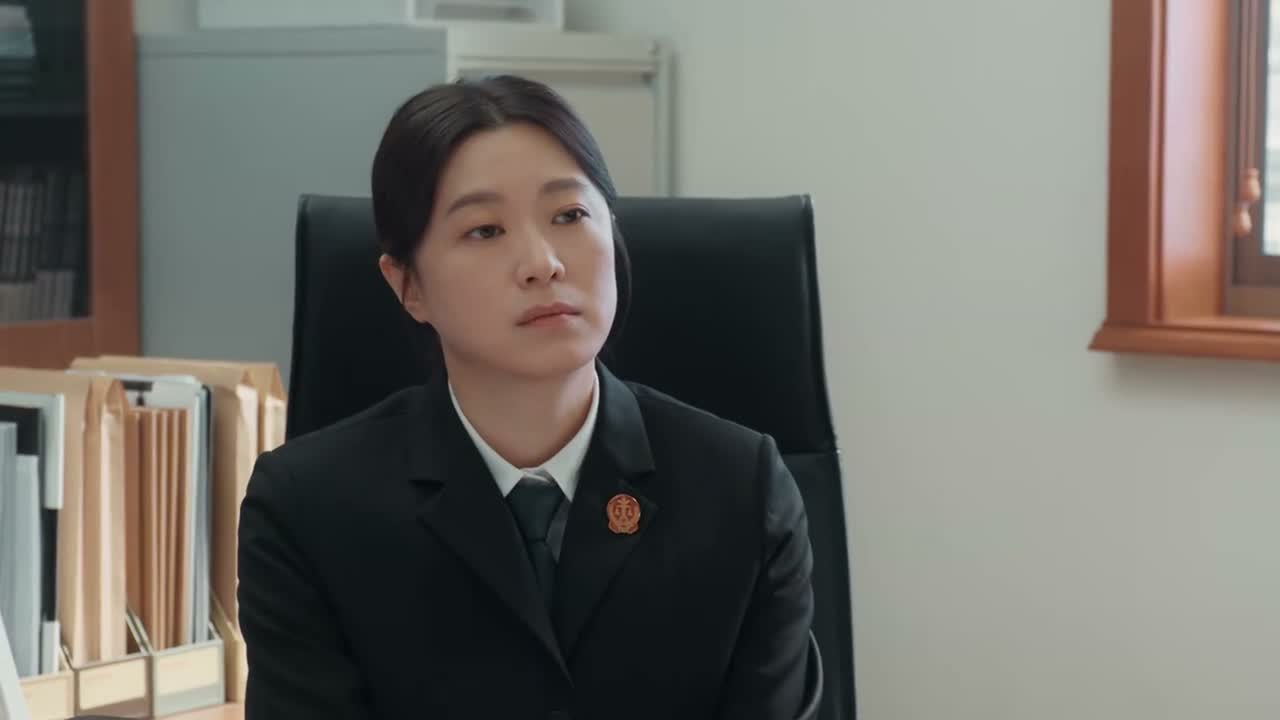
“of her children's healthy growth,”