MC
MandarinClips Cinema Corpus
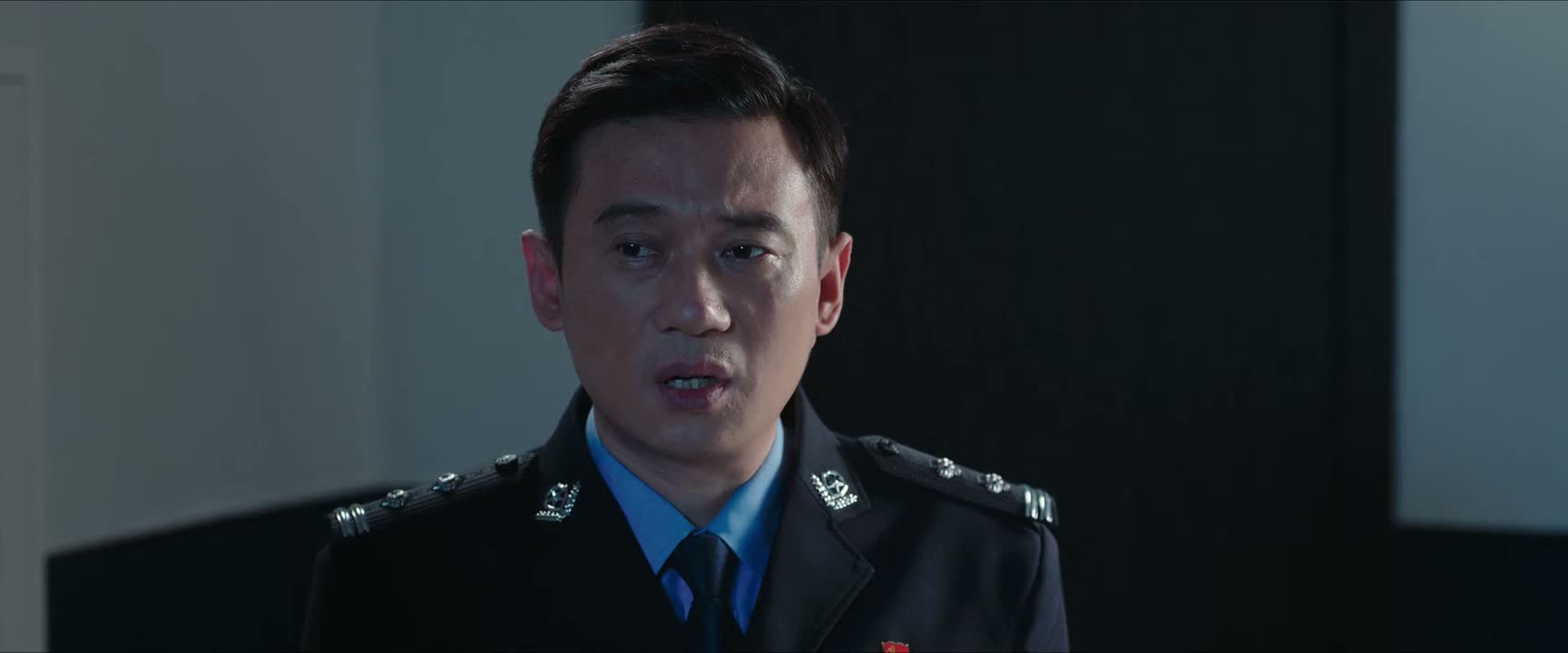
《Light to the Night》 S1·E10 (32:03) HSK 7
nǐ hái xián bù gòu diū rén ma ?

你还嫌不够丢人吗?

“You think this isn't embarrassing enough?”

《Light to the Night》 S1·E10
TIMECODE: 32:03 · 1080P MASTER AUDIO

THE DIALOGUE REEL

1+1+1 SPOKEN CONTINUITY
[-1] PREVIOUS TURN wǒ kěn qǐng jú lǐ gěi wǒ chǔ fèn zhè shì chǔ fèn de shì ma ?

我恳请局里给我处分 这是处分的事吗?

“Captain Feng, I request disciplinary action. Is this about discipline?”

nǐ hái xián bù gòu diū rén ma ? CURRENT FOCUS

你还 嫌不够丢人 吗?

“You think this isn't embarrassing enough?”

[+1] FOLLOW-UP TURN zhè yòu shì shá yì si ? nín néng bù néng zài jiè diào wǒ yī cì ?

这又是啥意思? 您能不能 再借调我一次?

“What is this again? Can you second me here again?”

Subtitles synced to millisecond timecode Browse Show Clips →
Scene: Workplace
Function: CHASTISING
Tone: SARCASTIC
Emotion: ANGER
WHAT THEY REALLY MEAN (PRAGMATIC SUBTEXT)
“You have already disgraced us completely, stop making things worse by playing the martyr.”
💡 Cultural Insight: Institutional Face (集体面子)

In Chinese organizational culture, individual failures often damage the prestige of the entire work unit, making disciplinary self-criticism seem trivial compared to collective shame.

INTENT TAGS: #shaming #rebuke #rhetorical_question #face_saving
🧩

LEARNING CHUNKS & PARTICLES

2 CHUNKS · 1 PARTICLES
嫌不够 SPOKEN CHUNK

to feel something is not enough; to consider insufficient

Commonly paired with negative states like 丢人 (losing face) or 乱 (chaotic) to criticize someone for escalating problems.

丢人 SPOKEN CHUNK

to lose face; to be humiliating or scandalous

Extremely common informal expression describing an action that shames oneself or one's collective unit.

Modal Particle「吗」 (ma) CHANGE OF STATE

Forms a sharp rhetorical question, emphasizing rebuke rather than seeking an answer.
🏮

VOCABULARY & EXPRESSIONS

1 EXPR · 0 GRAMMAR
CROSS-CINEMA CORPUS BOARD · PARALLEL SCENES

Parallel Spoken Cinema Scenes (语义近邻切片)

EXPLORE BY SEMANTIC SIMILARITY
《Light to the Night》 S1·E10 (32:03) · Authentic Cinema Dialogue Corpus