MC
MandarinClips Cinema Corpus
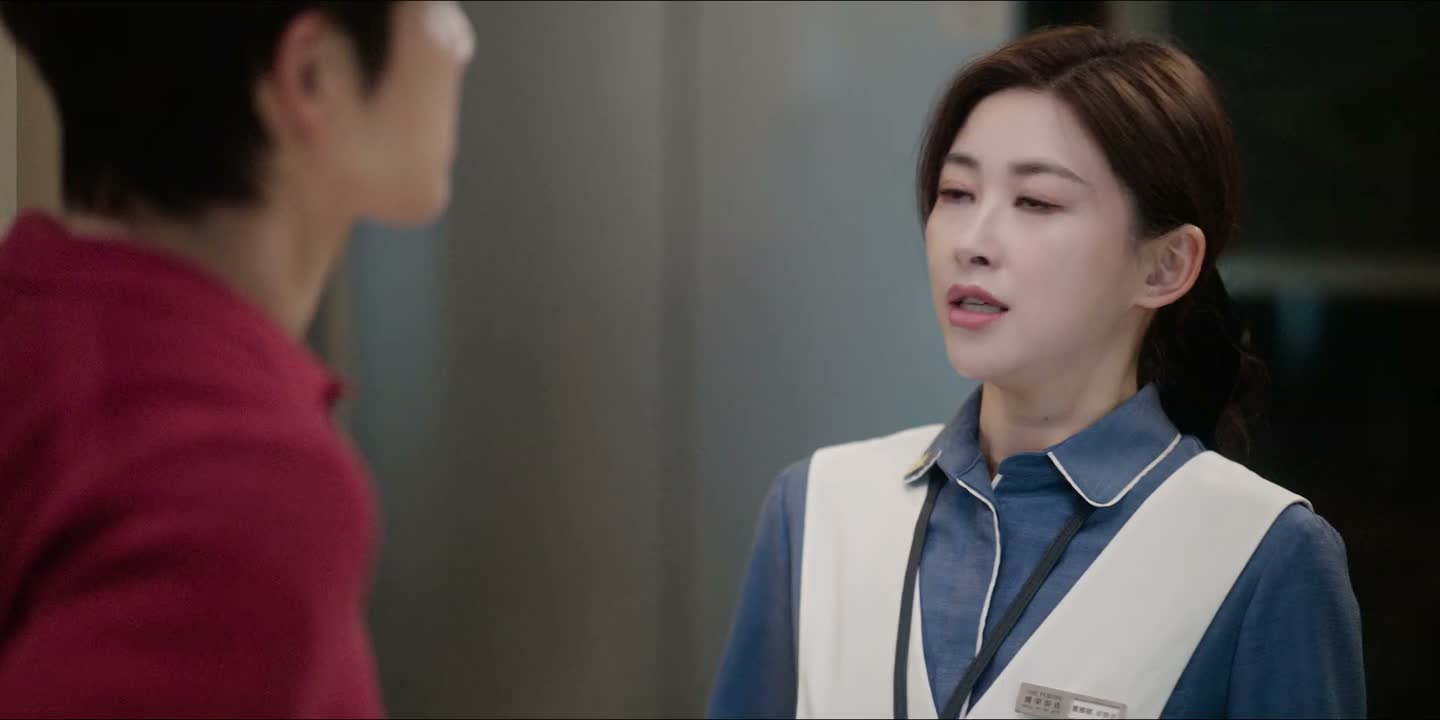
《The Inner Eye》 S1·E12 (34:20) HSK 7
nǐ liáng xīn guò yì dé qù ma

你良心过意得去吗

“Can your conscience be at peace with that?”

《The Inner Eye》 S1·E12
TIMECODE: 34:20 · 1080P MASTER AUDIO

THE DIALOGUE REEL

1+1+1 SPOKEN CONTINUITY
[-1] PREVIOUS TURN quán bù è guǒ

全部恶果

“of this incident.”

nǐ liáng xīn guò yì dé qù ma CURRENT FOCUS

你良心 过意得去 吗

“Can your conscience be at peace with that?”

[+1] FOLLOW-UP TURN rú guǒ zhè jiàn shì

如果这件事

“If this had happened”

Subtitles synced to millisecond timecode Browse Show Clips →
Scene: Crisis & Conflict
Function: MORAL CONDEMNATION
Tone: CONFRONTATIONAL
Emotion: INDIGNATION
WHAT THEY REALLY MEAN (PRAGMATIC SUBTEXT)
“You ought to feel disgusted with yourself for what you let happen.”
💡 Cultural Insight: Liangxin (The Innate Conscience)

Conscience (良心) is deeply rooted in Confucian thought as the fundamental baseline of human decency; questioning someone's conscience is a severe personal reprimand.

INTENT TAGS: #reproach #shaming #moral_interrogation #accusation
🧩

LEARNING CHUNKS & PARTICLES

2 CHUNKS · 1 PARTICLES
良心过意得去 SPOKEN CHUNK

to feel peace in one's conscience; to feel guilt-free

A standard rhetorical expression used almost exclusively in the negative or in questions to emphasize moral unacceptability.

过意不去 SPOKEN CHUNK

to feel apologetic or uneasy about troubling someone

The base structure of the potential complement form used to convey feelings of remorse or moral unease.

Modal Particle「吗」 (ma) CHANGE OF STATE

Turns the statement into a piercing rhetorical question to emphasize moral indignation.
🏮

VOCABULARY & EXPRESSIONS

1 EXPR · 0 GRAMMAR
COLLOQUIAL EXPRESSIONS:
CROSS-CINEMA CORPUS BOARD · PARALLEL SCENES

Parallel Spoken Cinema Scenes (语义近邻切片)

EXPLORE BY SEMANTIC SIMILARITY
《The Inner Eye》 S1·E12 (34:20) · Authentic Cinema Dialogue Corpus