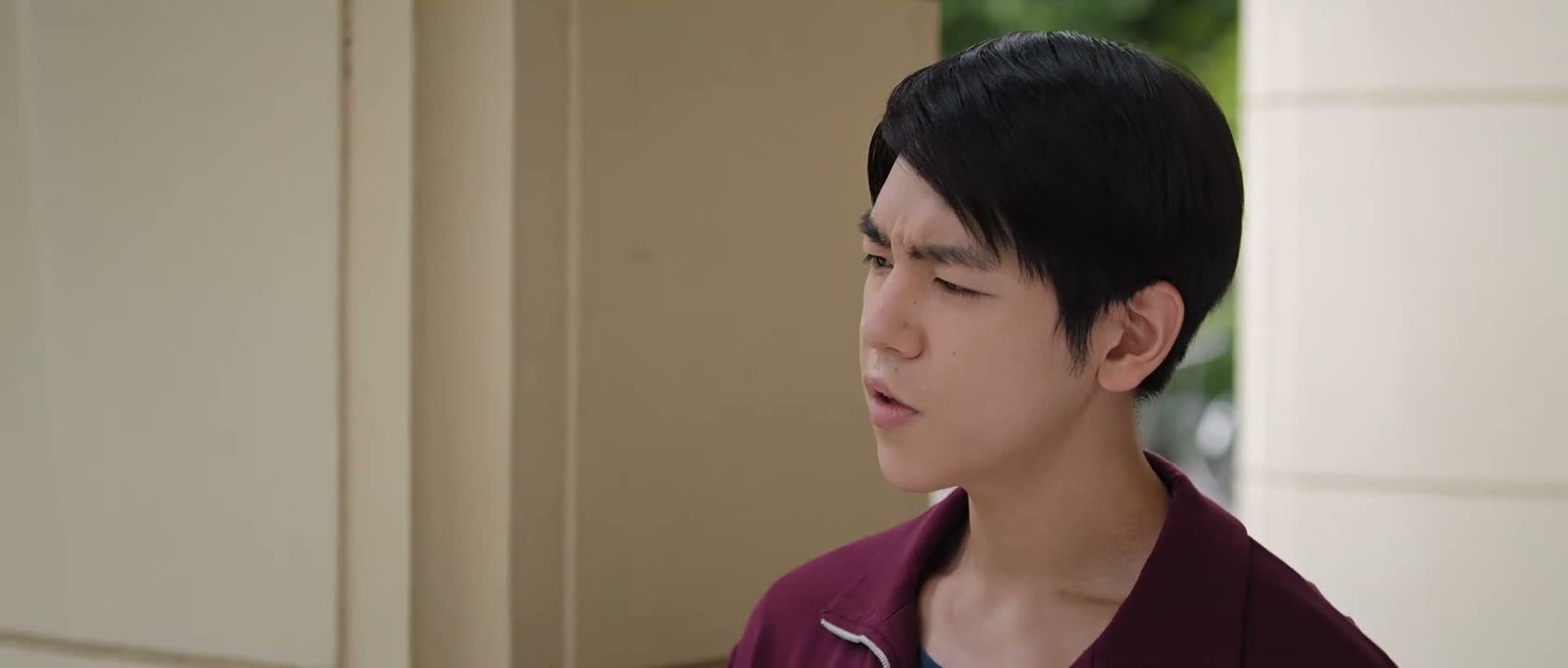
《Love Story in the 1970s》 S1·E5 (22:07)
HSK 1
fèi ní zěn me hái bù lái kàn wǒ
费霓怎么还不来看我
“why isn't Fei Ni here to visit me?”
《Love Story in the 1970s》
S1·E5
TIMECODE: 22:07
·
1080P MASTER AUDIO
THE DIALOGUE REEL
[-1] PREVIOUS TURN
xiǎo zhōu hù shì
小周护士
“Nurse Zhou,”
fèi ní zěn me hái bù lái kàn wǒ
CURRENT FOCUS
费霓 怎么还不来 看我
“why isn't Fei Ni here to visit me?”
[+1] FOLLOW-UP TURN
fèi ní yě yào shàng bān zài shuō le rén jiā gēn nǐ fēi qīn fēi gù de
费霓也要上班 再说了人家跟你非亲非故的
“Fei Ni needs to work too. Besides, she's not related to you.”
Subtitles synced to millisecond timecode
Browse Show Clips →
Scene:
Medical & Health
Function:
EXPRESSING IMPATIENCE
Tone:
PETULANT
Emotion:
IMPATIENCE
WHAT THEY REALLY MEAN (PRAGMATIC SUBTEXT)
“I've been waiting for her all this time; why is she ignoring me?”
💡 Cultural Insight: Hospital Visitation (Tanwang)
Visiting hospitalized friends or colleagues is an essential social obligation in Chinese culture that signals personal closeness and goodwill.
INTENT TAGS:
#impatience
#complaint
#longing
#anticipation
🧩
2 CHUNKS · 0 PARTICLES
LEARNING CHUNKS & PARTICLES
怎么还不
SPOKEN CHUNK
why haven't... yet
A spoken rhetorical pattern expressing dissatisfaction or impatience with someone's delay.
来看我
SPOKEN CHUNK
come visit me
Standard conversational phrasing for paying a visit, especially to someone who is ill or confined.
🏮
1 EXPR · 0 GRAMMAR
VOCABULARY & EXPRESSIONS
COLLOQUIAL EXPRESSIONS:
CROSS-CINEMA CORPUS BOARD · PARALLEL SCENES
EXPLORE BY SEMANTIC SIMILARITY
Parallel Spoken Cinema Scenes (语义近邻切片)

《Love Story in the 1970s》 S1·E5 (22:07) · Authentic Cinema Dialogue Corpus