MC
MandarinClips Cinema Corpus
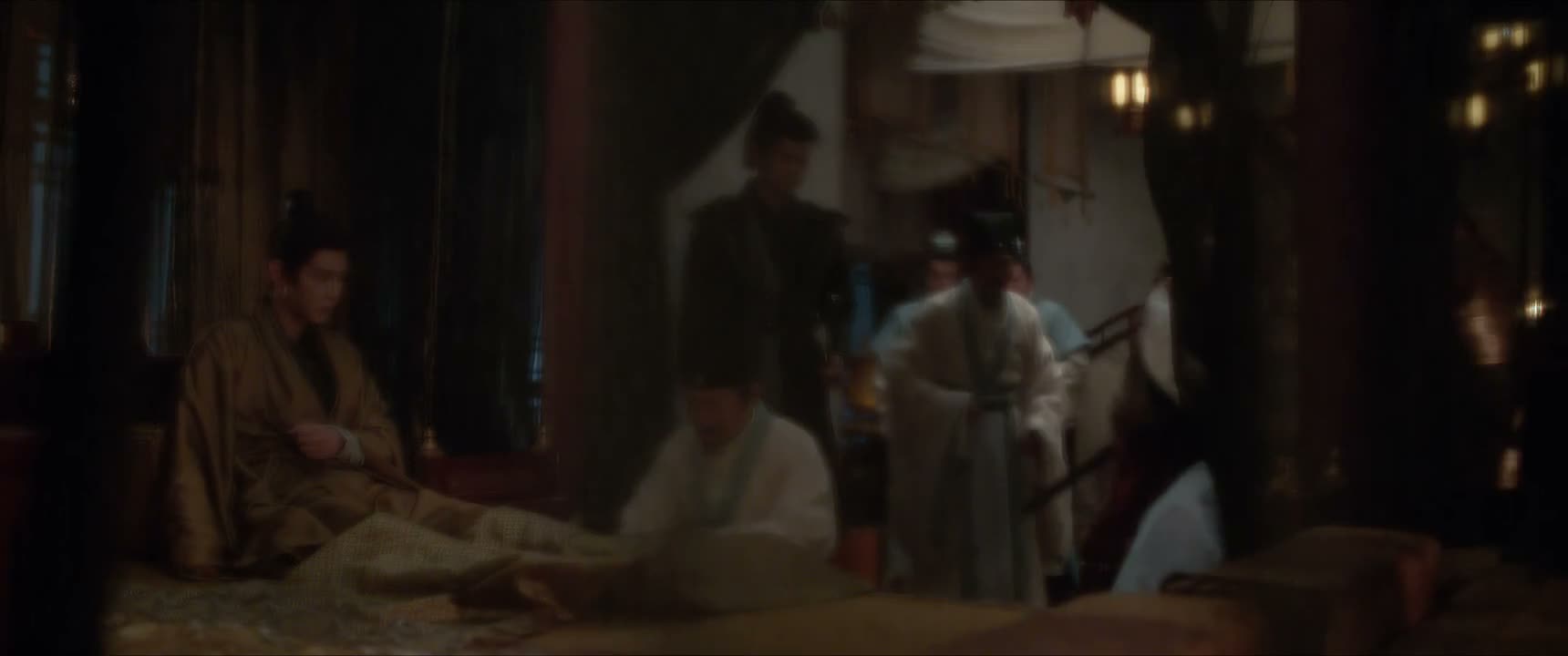
《The First Jasmine》 S1·E19 (15:34) HSK 7
bǎ tā dài zǒu diàn xià ráo le wǒ diàn xià

把他带走 殿下饶了我 殿下

“Take him away! Your Highness, spare me!”

《The First Jasmine》 S1·E19
TIMECODE: 15:34 · 1080P MASTER AUDIO

THE DIALOGUE REEL

1+1+1 SPOKEN CONTINUITY
[-1] PREVIOUS TURN diàn xià diàn xià diàn xià diàn xià ráo le wǒ wǒ zài yě bù gǎn le

殿下 殿下 殿下 殿下饶了我 我再也不敢了

“Your Highness! Your Highness, spare me! I won't do it again.”

bǎ tā dài zǒu diàn xià ráo le wǒ diàn xià CURRENT FOCUS

把他带走 殿下饶了我 殿下

“Take him away! Your Highness, spare me!”

[+1] FOLLOW-UP TURN bié diàn xià wǒ zài yě bù gǎn le diàn xià diàn xià

别 殿下我再也不敢了 殿下 殿下

“No! Your Highness, I won't do it again. Your Highness!”

Subtitles synced to millisecond timecode Browse Show Clips →
Scene: Historical & Court
Function: BEGGING FOR MERCY
Tone: PLEADING
Emotion: FEAR
WHAT THEY REALLY MEAN (PRAGMATIC SUBTEXT)

Direct spoken expression in this communicative setting.

💡 Cultural Insight: Imperial Absolute Authority

In imperial China, princes and monarchs held absolute life-and-death power over subordinates, making emotional begging the only recourse when facing severe punishment.

INTENT TAGS: #pleading #mercy #submission #panic
🧩

LEARNING CHUNKS & PARTICLES

2 CHUNKS · 1 PARTICLES
带走 SPOKEN CHUNK

to take away / to remove

A common directional verb compound used in both modern legal contexts and historical drama to indicate taking someone away by force.

饶了我 SPOKEN CHUNK

spare me / have mercy on me

Used in high-stakes dramatic situations to beg for life or pardon; in modern casual speech, it can humorously mean 'give me a break'.

Modal Particle「了」 (le) CHANGE OF STATE

Indicates the change of state or marks the urgency of the plea for pardon.
🏮

VOCABULARY & EXPRESSIONS

2 EXPR · 0 GRAMMAR
CROSS-CINEMA CORPUS BOARD · PARALLEL SCENES

Parallel Spoken Cinema Scenes (语义近邻切片)

EXPLORE BY SEMANTIC SIMILARITY
《The First Jasmine》 S1·E19 (15:34) · Authentic Cinema Dialogue Corpus