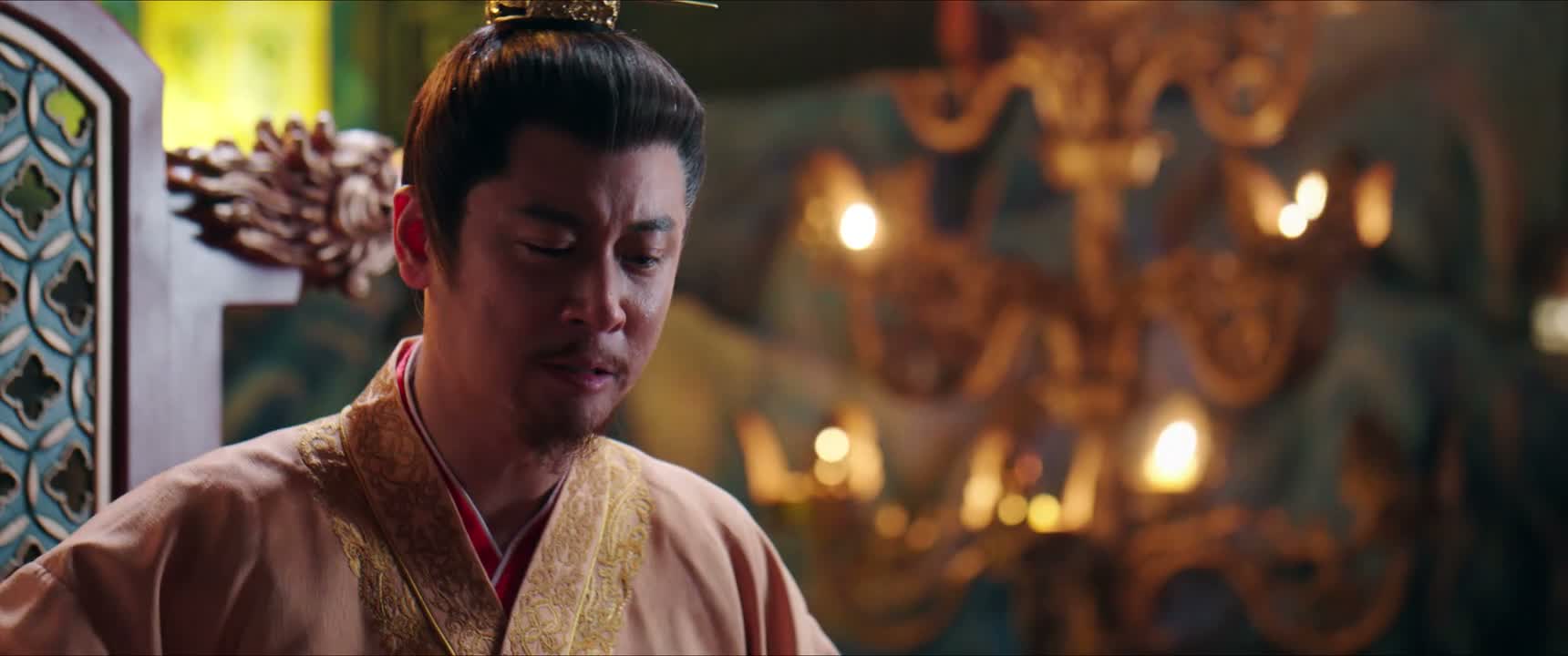
《The First Jasmine》 S1·E19 (07:38)
HSK 7
zěn huì gān xīn yǐn huǒ zì fén
怎会甘心引火自焚
“How could he set himself on fire?”
《The First Jasmine》
S1·E19
TIMECODE: 07:38
·
1080P MASTER AUDIO
THE DIALOGUE REEL
[-1] PREVIOUS TURN
rú jīn àn zi shàng wèi chá qīng yuǎn wèi dào qióng tú mò lù
如今案子尚未查清 远未到穷途末路
“Now, the case remains unresolved. It is far from a hopeless dead end.”
zěn huì gān xīn yǐn huǒ zì fén
CURRENT FOCUS
怎会 甘心 引火自焚
“How could he set himself on fire?”
[+1] FOLLOW-UP TURN
tā bú shì nà yàng de xìng gé
他不是那样的性格
“That's just not him.”
Subtitles synced to millisecond timecode
Browse Show Clips →
Scene:
Legal & Police
Function:
CHALLENGING ASSUMPTION
Tone:
INCREDULOUS
Emotion:
SKEPTICISM
WHAT THEY REALLY MEAN (PRAGMATIC SUBTEXT)
“This does not add up at all; someone must have murdered him or set him up.”
💡 Cultural Insight: Rhetorical Questioning in Logical Deduction
Using '怎会' (how could...) is an authentic spoken technique to reject an opponent's theory by framing it as a violation of human nature and common sense.
INTENT TAGS:
#skepticism
#deduction
#questioning
#disbelief
🧩
2 CHUNKS · 0 PARTICLES
LEARNING CHUNKS & PARTICLES
引火自焚
SPOKEN CHUNK
to set oneself on fire; to bring ruin upon oneself
Can be used literally for self-immolation or metaphorically for reckless self-destructive acts.
怎会甘心
SPOKEN CHUNK
how could one be resigned to; why would one willingly accept
A rhetorical question pattern used to vigorously express disbelief at someone's supposed willingness.
🏮
2 EXPR · 0 GRAMMAR
VOCABULARY & EXPRESSIONS
COLLOQUIAL EXPRESSIONS:
CROSS-CINEMA CORPUS BOARD · PARALLEL SCENES
EXPLORE BY SEMANTIC SIMILARITY
Parallel Spoken Cinema Scenes (语义近邻切片)
《The First Jasmine》 S1·E19 (07:38) · Authentic Cinema Dialogue Corpus