MC
MandarinClips Cinema Corpus
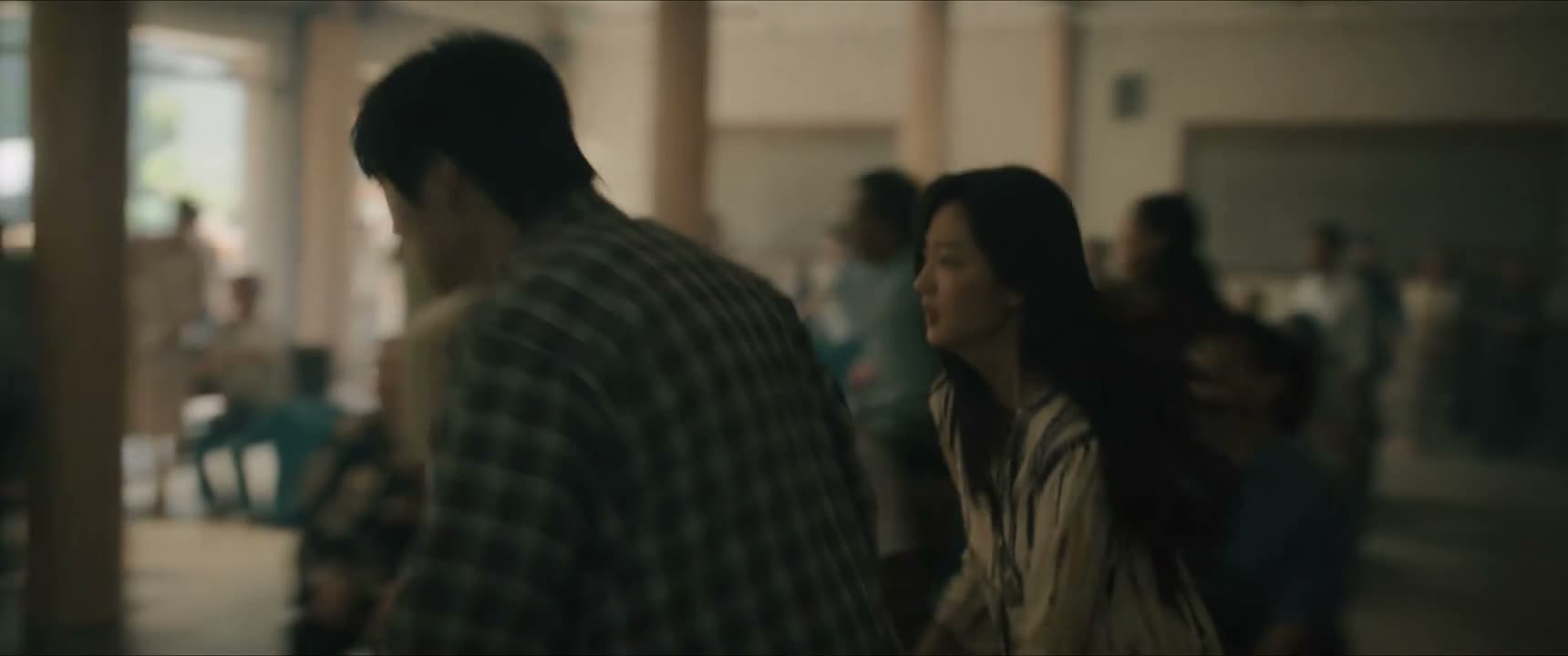
《The Guilty》 S1·E6 (12:42) HSK 7
nǐ bù bàn wǒ wǒ zěn me dào de nǐ bàn wǒ gàn má shuí bàn nǐ le

你不绊我我怎么倒的 你绊我干吗 谁绊你了

“If you didn't trip me, how did I fall? Why did you trip me? Who tripped you?”

《The Guilty》 S1·E6
TIMECODE: 12:42 · 1080P MASTER AUDIO

THE DIALOGUE REEL

1+1+1 SPOKEN CONTINUITY
[-1] PREVIOUS TURN nǐ shuí a nǐ bàn wǒ gàn má dà jiā dōu lái kàn a

“Who are you? Why did you trip me? Everyone, look!”

nǐ bù bàn wǒ wǒ zěn me dào de nǐ bàn wǒ gàn má shuí bàn nǐ le CURRENT FOCUS

你不绊我我 怎么 倒的 你 绊我干吗 谁绊你了

“If you didn't trip me, how did I fall? Why did you trip me? Who tripped you?”

[+1] FOLLOW-UP TURN nǐ bù bàn wǒ zěn me dào de jǐng chá

“If you didn't trip me, how did I fall? Officer!”

Subtitles synced to millisecond timecode Browse Show Clips →
Scene: Crisis & Conflict
Function: ACCUSING
Tone: AGGRESSIVE
Emotion: ANGER
WHAT THEY REALLY MEAN (PRAGMATIC SUBTEXT)
“You are going to take the blame for this whether you actually tripped me or not.”
💡 Cultural Insight: Staged Accusation (Pengci)

This dynamic reflects classic street scamming behavior (Pengci) where one feigns an injury to guilt or bully bystanders into paying restitution.

INTENT TAGS: #accusing #framing #provoking #demanding_explanation
🧩

LEARNING CHUNKS & PARTICLES

2 CHUNKS · 1 PARTICLES
绊倒 SPOKEN CHUNK

trip and fall down

A resultative complement combining '绊' (to trip) and '倒' (to fall down).

干吗 SPOKEN CHUNK

why; what for

A highly colloquial, direct interrogative phrase used to question reasons, often with an impatient or accusatory tone.

Modal Particle「了」 (le) CHANGE OF STATE

Marks the completion of an action or changes the focus to the resulting state of having tripped someone.
🏮

VOCABULARY & EXPRESSIONS

2 EXPR · 0 GRAMMAR
CROSS-CINEMA CORPUS BOARD · PARALLEL SCENES

Parallel Spoken Cinema Scenes (语义近邻切片)

EXPLORE BY SEMANTIC SIMILARITY
《The Guilty》 S1·E6 (12:42) · Authentic Cinema Dialogue Corpus