《The Inner Eye》 S1·E29 (28:28)
HSK 2
diàn dōu chū guò shì le
店都出过事了
“After what happened,”
《The Inner Eye》
S1·E29
TIMECODE: 28:28
·
1080P MASTER AUDIO
THE DIALOGUE REEL
[-1] PREVIOUS TURN
lǎo bǎn
老板
“Sir”
diàn dōu chū guò shì le
CURRENT FOCUS
店 都 出过事 了
“After what happened,”
[+1] FOLLOW-UP TURN
zhè zài wǎng wài zū yǒu rén zū ma
这再往外租有人租吗
“who would rent it?”
Subtitles synced to millisecond timecode
Browse Show Clips →
Scene:
Business & Trade
Function:
EXPRESSING CONCERN
Tone:
DOUBTFUL
Emotion:
ANXIETY
WHAT THEY REALLY MEAN (PRAGMATIC SUBTEXT)
“This place has a bad reputation now; nobody will want to touch it unless there's a huge discount.”
💡 Cultural Insight: Stigmatized Property Taboo (Xiong Zhai)
In Chinese culture, properties where deaths, crimes, or major mishaps occurred carry strong negative energy or bad luck, making them difficult to lease or sell.
INTENT TAGS:
#expressing_concern
#bargaining
#highlighting_risk
#skepticism
🧩
1 CHUNKS · 1 PARTICLES
LEARNING CHUNKS & PARTICLES
出过事
SPOKEN CHUNK
an accident or mishap has occurred
Commonly used as a euphemism to indicate crimes, deaths, or major accidents happening at a location.
Modal Particle「了」 (le)
CHANGE OF STATE
Emphasizes the completed change of state and highlights the reality that an incident has already taken place.
🏮
1 EXPR · 1 GRAMMAR
VOCABULARY & EXPRESSIONS
COLLOQUIAL EXPRESSIONS:
GRAMMAR BLUEPRINTS:
CROSS-CINEMA CORPUS BOARD · PARALLEL SCENES
EXPLORE BY SEMANTIC SIMILARITY
Parallel Spoken Cinema Scenes (语义近邻切片)
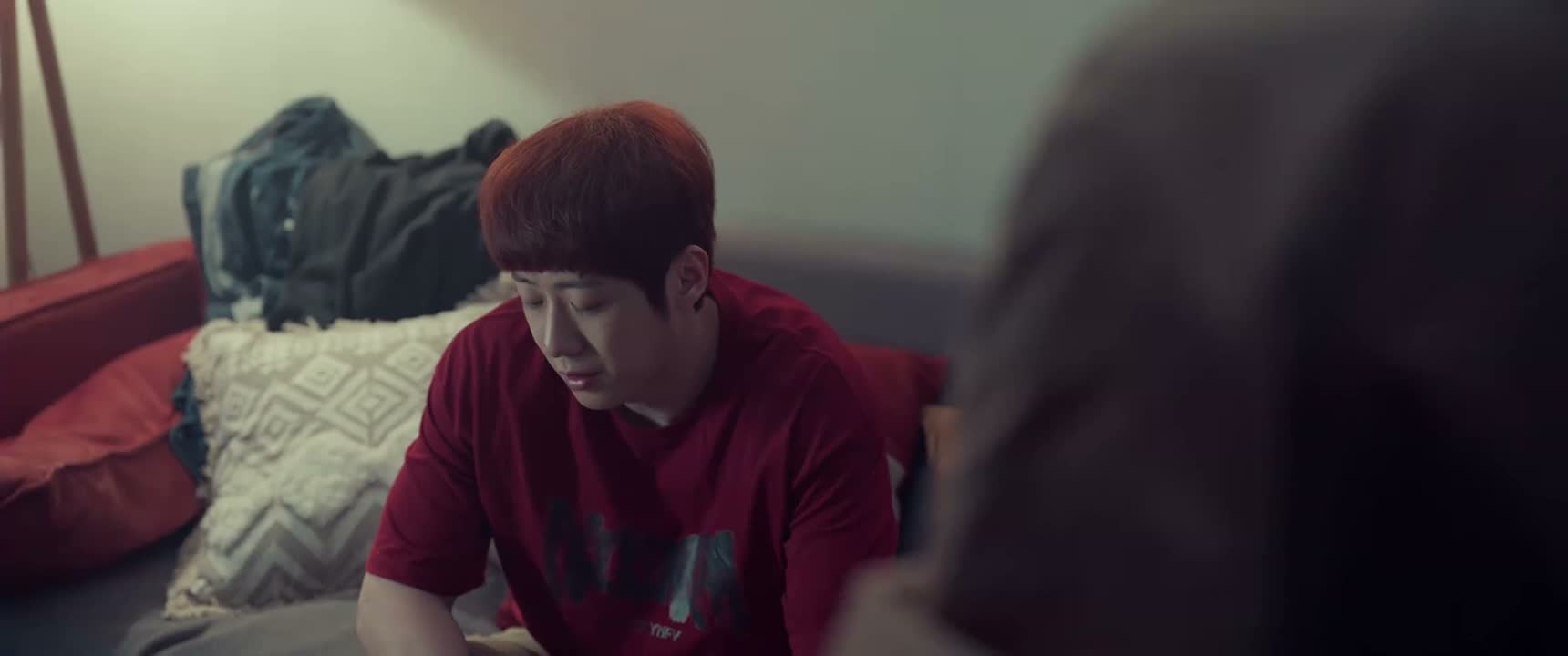
《The Inner Eye》 S1·E29 (28:28) · Authentic Cinema Dialogue Corpus