MC
MandarinClips Cinema Corpus
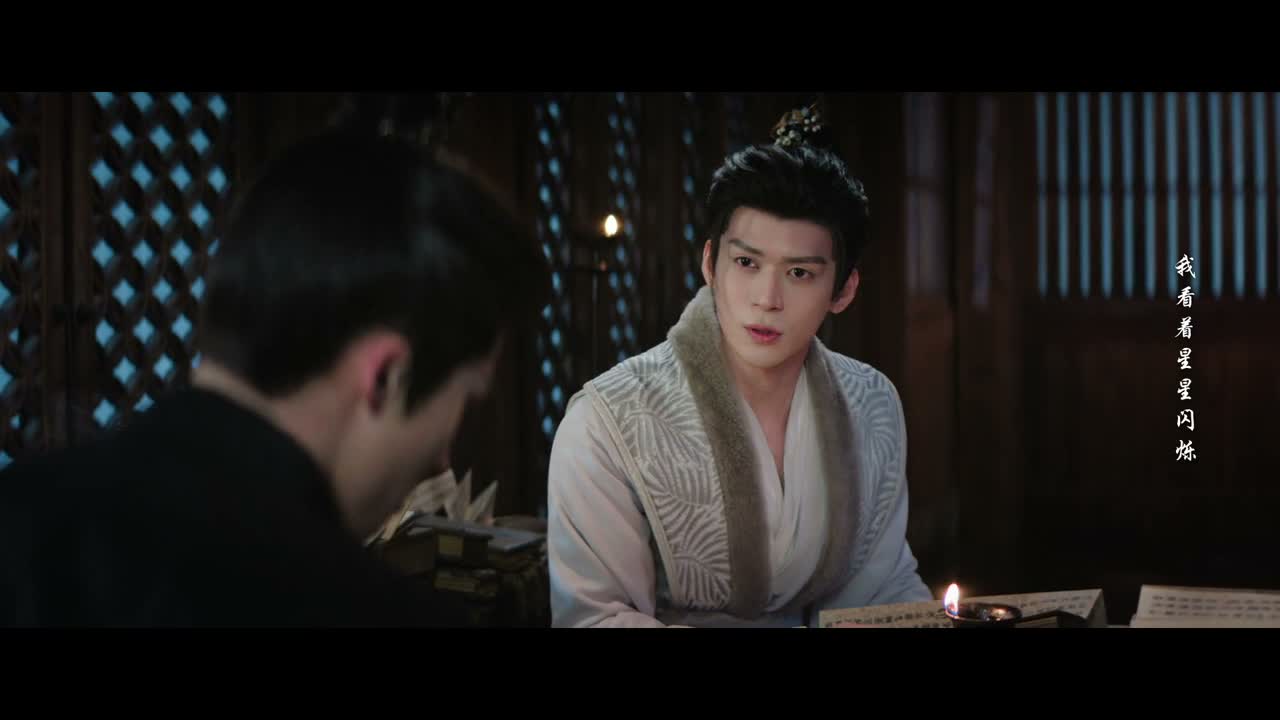
《Live up to Your Youth》 S1·E13 (14:36) HSK 3
ā yí zuì jìn shēn tǐ zěn me yàng a

阿姨最近身体怎么样啊

“How have you been, auntie?”

《Live up to Your Youth》 S1·E13
TIMECODE: 14:36 · 1080P MASTER AUDIO

THE DIALOGUE REEL

1+1+1 SPOKEN CONTINUITY
[-1] PREVIOUS TURN duì duì duì

对对对

“Exactly, yes.”

ā yí zuì jìn shēn tǐ zěn me yàng a CURRENT FOCUS

阿姨最近 身体怎么样 啊

“How have you been, auntie?”

[+1] FOLLOW-UP TURN nà jiù hǎo nà jiù hǎo

那就好 那就好

“That's good.”

Subtitles synced to millisecond timecode Browse Show Clips →
Scene: Daily Life
Function: SHOWING COURTESY
Tone: CARING
Emotion: WARMTH
WHAT THEY REALLY MEAN (PRAGMATIC SUBTEXT)

Direct spoken expression in this communicative setting.

💡 Cultural Insight: Inquiring After Elders

Asking about the health of a friend's or acquaintance's parents (addressed politely as 'Ayi' or 'Shushu') is an essential social courtesy demonstrating respect and goodwill.

INTENT TAGS: #courtesy #greeting #inquiring #social_bonding
🧩

LEARNING CHUNKS & PARTICLES

1 CHUNKS · 1 PARTICLES
身体怎么样 SPOKEN CHUNK

how is someone's health

A standard and polite formula used to inquire about someone's physical well-being.

Modal Particle「啊」 (a) CHANGE OF STATE

Softens the inquiry, making the question sound warmer, friendlier, and more conversational.

🏮

VOCABULARY & EXPRESSIONS

1 EXPR · 1 GRAMMAR
COLLOQUIAL EXPRESSIONS:
GRAMMAR BLUEPRINTS:
CROSS-CINEMA CORPUS BOARD · PARALLEL SCENES

Parallel Spoken Cinema Scenes (语义近邻切片)
EXPLORE BY SEMANTIC SIMILARITY
《Live up to Your Youth》 S1·E13 (14:36) · Authentic Cinema Dialogue Corpus