我亲眼看到 他进了别人屋
“I saw him entering someone's house,”
THE DIALOGUE REEL
“No way. Lin Mei, this must be a misunderstanding.”
我 亲眼看到 他进了别人屋
“I saw him entering someone's house,”
“and someone called him Brother Fei Ting.”
“Don't tell me it's a misunderstanding—I caught him red-handed!”
Entering another woman's private quarters without justification has traditionally been viewed in Chinese society as strong circumstantial evidence of improper intimacy.
LEARNING CHUNKS & PARTICLES
saw with one's own eyes
Used to establish undeniable firsthand proof when refuting doubt or denial.
someone else's room
Spoken abbreviation of 别人的屋子, carrying a suspicious or illicit connotation in marital contexts.
VOCABULARY & EXPRESSIONS
Parallel Spoken Cinema Scenes (语义近邻切片)

“Didn't you see him when he came in?”

“I saw it. I just saw it at the entrance. I'm sorry.”
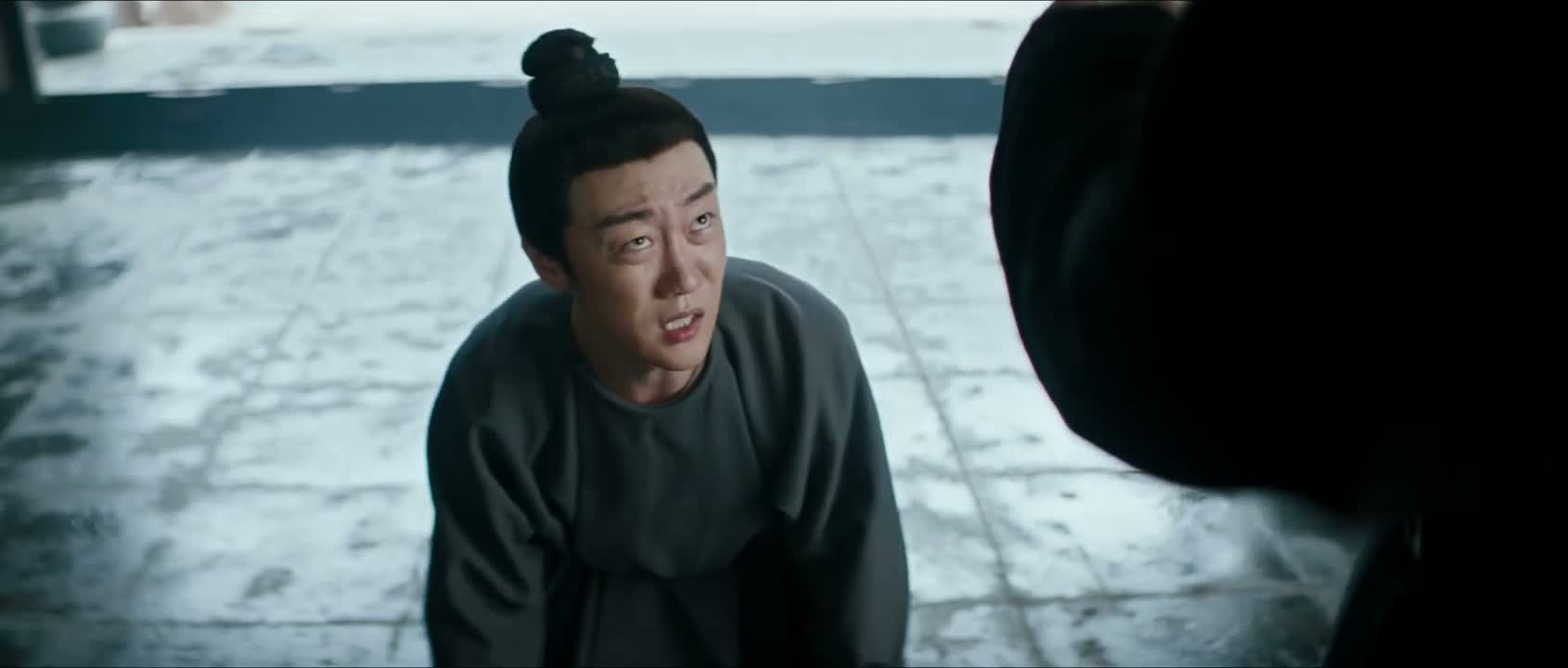
“But the moment I got home,”

“I saw him”

“with my own eyes. I...”

“but he saw it a-as soon as he came in?”