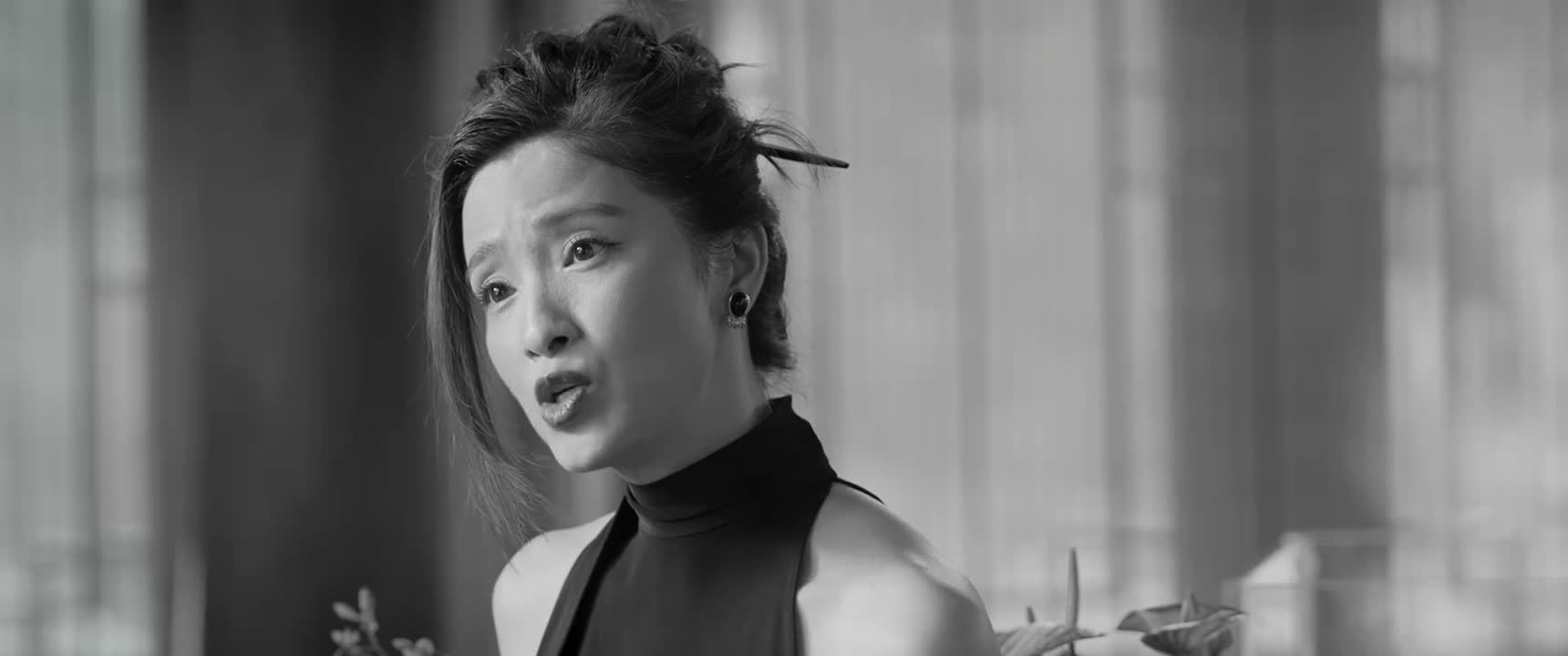
《Veil of Shadows》 S1·E25 (40:34)
HSK 6
nǐ wèi hé yào ràng zì jǐ xiāo shī
你为何要让自己消失
“Why would you sacrifice yourself”
《Veil of Shadows》
S1·E25
TIMECODE: 40:34
·
1080P MASTER AUDIO
THE DIALOGUE REEL
[-1] PREVIOUS TURN
cái néng gǎi xiě nǐ de mìng yùn
“That is the only way to change your fate.”
nǐ wèi hé yào ràng zì jǐ xiāo shī
CURRENT FOCUS
你 为何要 让自己消失
“Why would you sacrifice yourself”
[+1] FOLLOW-UP TURN
lái jiù wǒ ?
来救我?
“to save me?”
Subtitles synced to millisecond timecode
Browse Show Clips →
Scene:
Crisis & Conflict
Function:
QUESTIONING MOTIVES
Tone:
ANGUISHED
Emotion:
GRIEF
WHAT THEY REALLY MEAN (PRAGMATIC SUBTEXT)
“Your sacrifice is breaking my heart—I cannot accept you destroying yourself for me.”
💡 Cultural Insight: Self-Sacrifice in Chinese Fantasy (Xianxia/Wuxia)
Noble self-erasure or soul destruction to protect a loved one from harsh fate is a quintessential trope of Chinese dramatic storytelling, reflecting profound devotion and karmic debt.
INTENT TAGS:
#questioning
#heartbreak
#protest
#devotion
🧩
2 CHUNKS · 0 PARTICLES
LEARNING CHUNKS & PARTICLES
为何
SPOKEN CHUNK
why; for what reason
A literary or elevated equivalent of 为什么 commonly heard in period dramas and dramatic confrontations.
让自己
SPOKEN CHUNK
make oneself; allow oneself to
Useful pattern for expressing causative actions directed at oneself, such as 让自己放松 (let oneself relax).
🏮
2 EXPR · 0 GRAMMAR
VOCABULARY & EXPRESSIONS
COLLOQUIAL EXPRESSIONS:
CROSS-CINEMA CORPUS BOARD · PARALLEL SCENES
EXPLORE BY SEMANTIC SIMILARITY
Parallel Spoken Cinema Scenes (语义近邻切片)


《Veil of Shadows》 S1·E25 (40:34) · Authentic Cinema Dialogue Corpus