这 这是怎么弄上去的 不疼吗
“This... How did you get this in your body? Didn't it hurt?”
THE DIALOGUE REEL
你 你这是 这是我的工牌
“What... What is this? This is my employee ID badge.”
这 这是 怎么弄上去的 不疼吗
“This... How did you get this in your body? Didn't it hurt?”
蓝血科技 你在那儿工作吗
“Blue Blood Tech? Do you work there?”
Direct spoken expression in this communicative setting.
Asking direct questions about physical pain or marks reflects genuine closeness and active care rather than intrusive boundary violation in Chinese interpersonal interactions.
LEARNING CHUNKS & PARTICLES
how did it get on there / how did this happen
A colloquial way to ask about the cause of a mark, stain, or injury.
doesn't it hurt?
A rhetorical negative question used to show spontaneous concern and empathy for someone's pain.
Marks a yes-no question with an underlying expectation of confirmation and empathetic concern.
VOCABULARY & EXPRESSIONS
Parallel Spoken Cinema Scenes (语义近邻切片)

“I don't know how I got it. It's fine. It doesn't hurt. It doesn't hurt?”

“What happened to you? It's nothing serious. Just a minor injury. Let's go.”
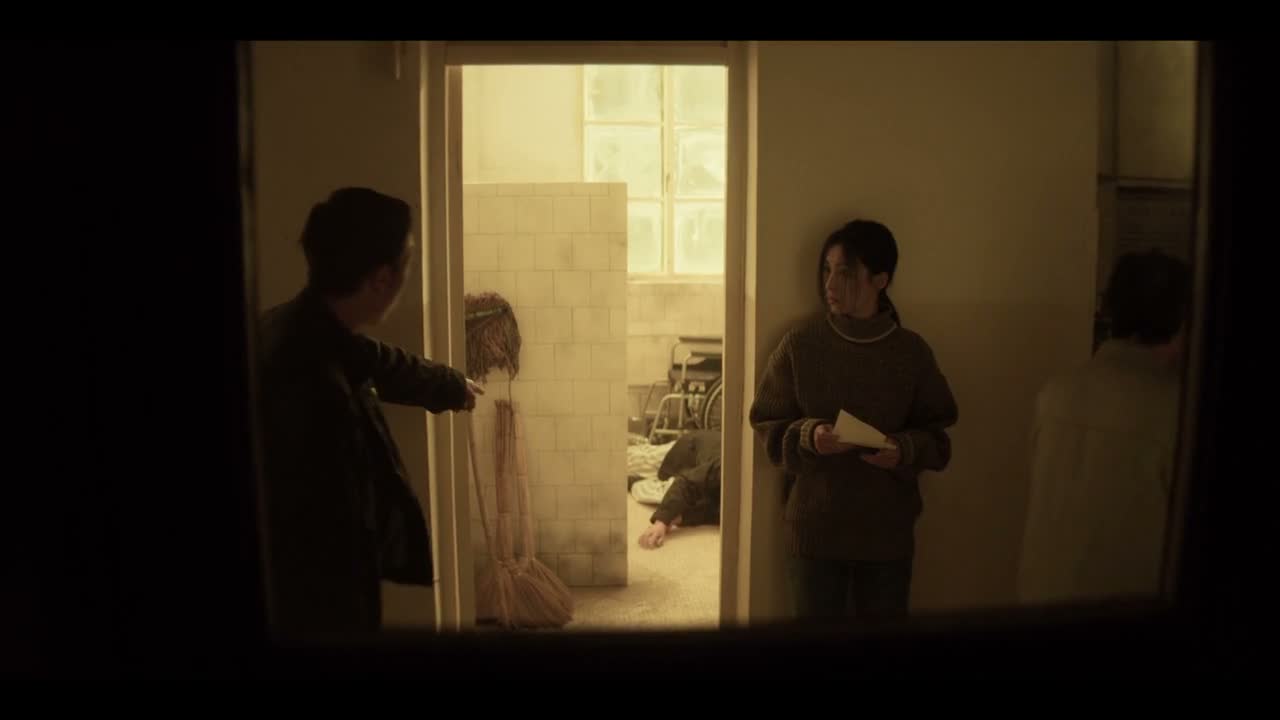
“- What's the matter? - and had to seek long-term medical treatment.”

“What's wrong? Did something happen?”
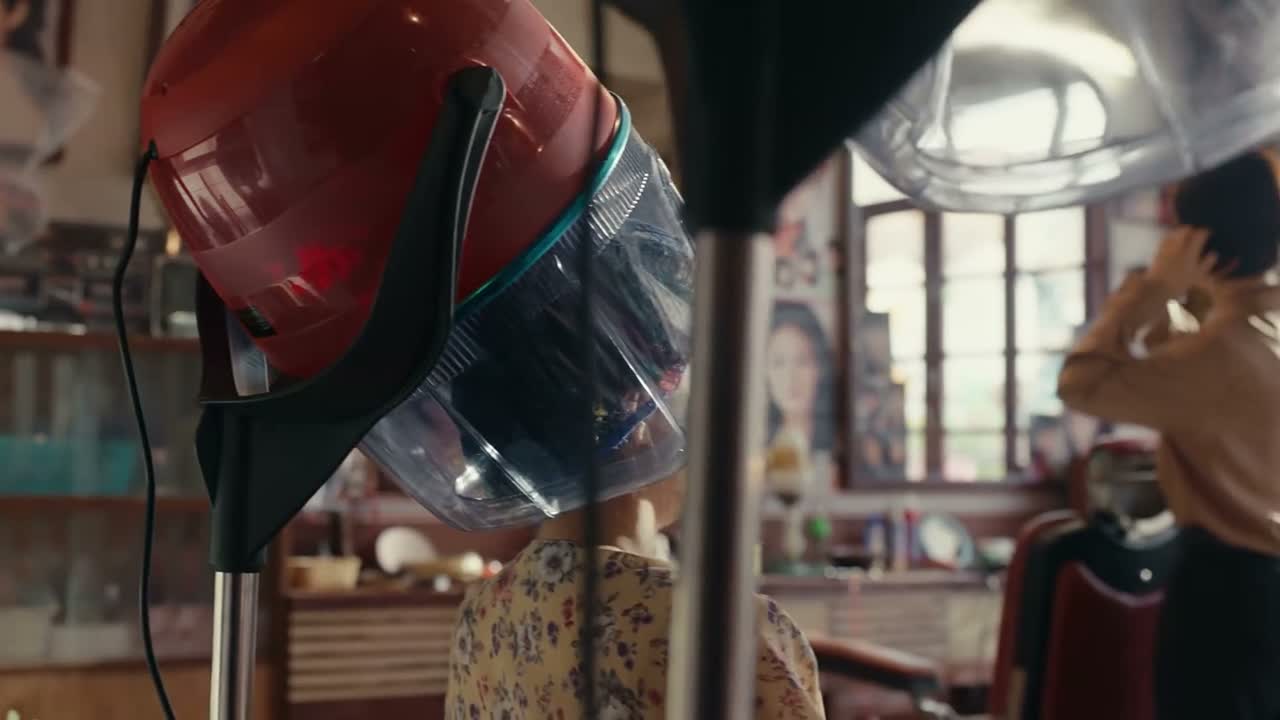
“That's basically the situation.”

“What do you make of this?”