不跟你扯了 换衣服去
“I won't talk to you. I'm going to get changed.”
THE DIALOGUE REEL
真是
“Come on.”
不跟你扯了 换衣服 去
“I won't talk to you. I'm going to get changed.”
你别不好意思呀 说说 来 咱说说 说说
“Don't be shy. Let's talk. Come on. Let's talk. Let's talk.”
“You're embarrassing me with all this teasing, so I'm getting out of here.”
When teased about romantic matters, Chinese speakers frequently feign annoyance or find trivial physical errands to escape the spotlight without causing genuine offense.
LEARNING CHUNKS & PARTICLES
I'm done shooting the breeze with you
A highly colloquial northern phrase used playfully to exit a conversation or end banter.
going to change clothes
The verb + 去 structure placed at the end emphasizes immediate departure to execute an action.
Marks the cessation of an action (halting the current banter).
VOCABULARY & EXPRESSIONS
Parallel Spoken Cinema Scenes (语义近邻切片)

“Why don't I just change into different outfits? You can take several at once”

“Stop kidding. Don't you always send your clothes out for dry cleaning?”

“Hurry and go change your clothes. Don't catch a cold.”
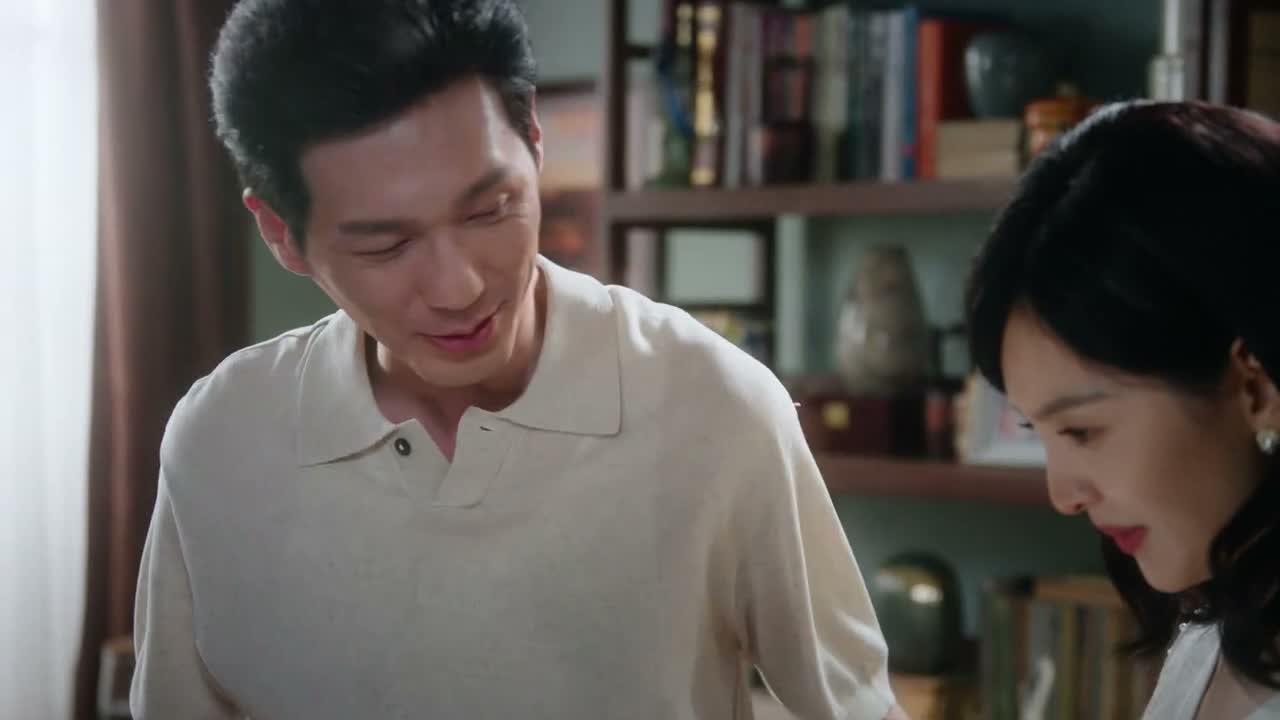
“You don't need to run lines with me.”
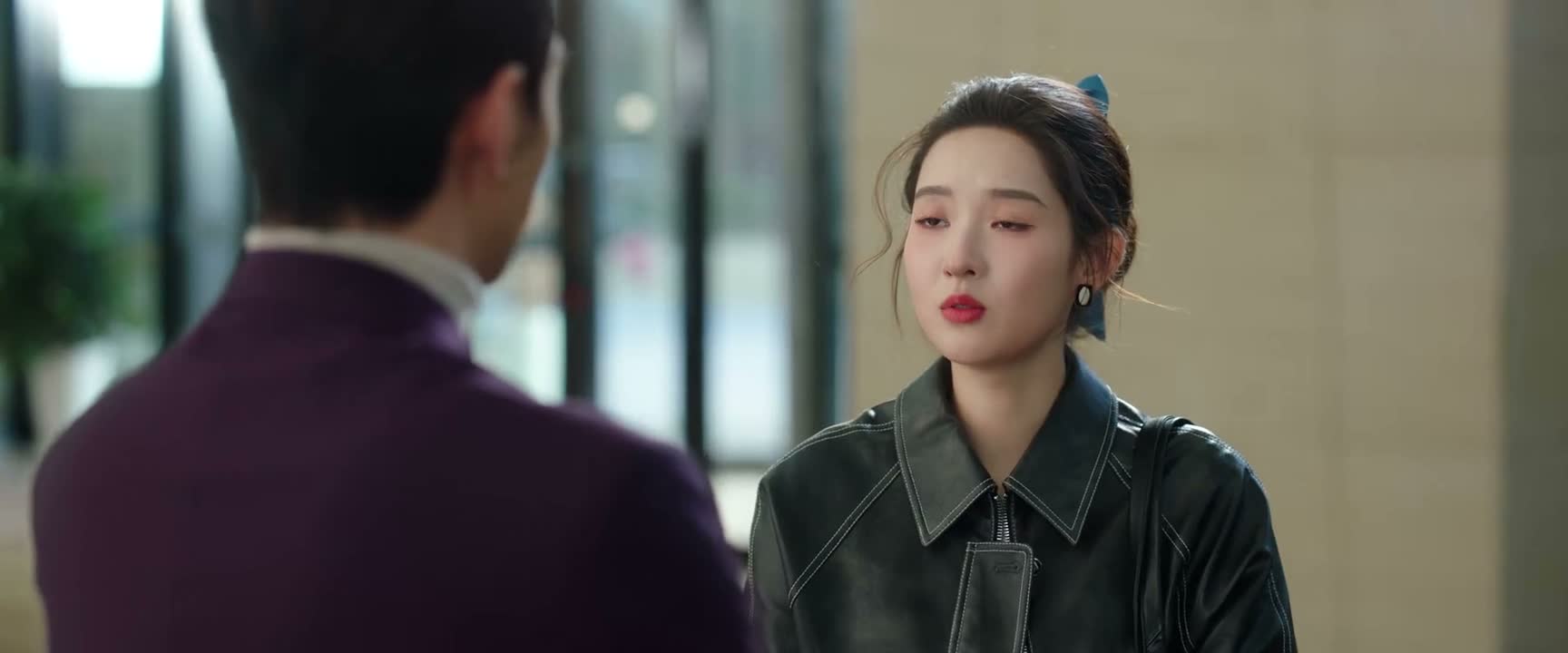
“I-I need to go back and change clothes.”

“That's barely enough for you to make a fuss about.”