MC
MandarinClips Cinema Corpus
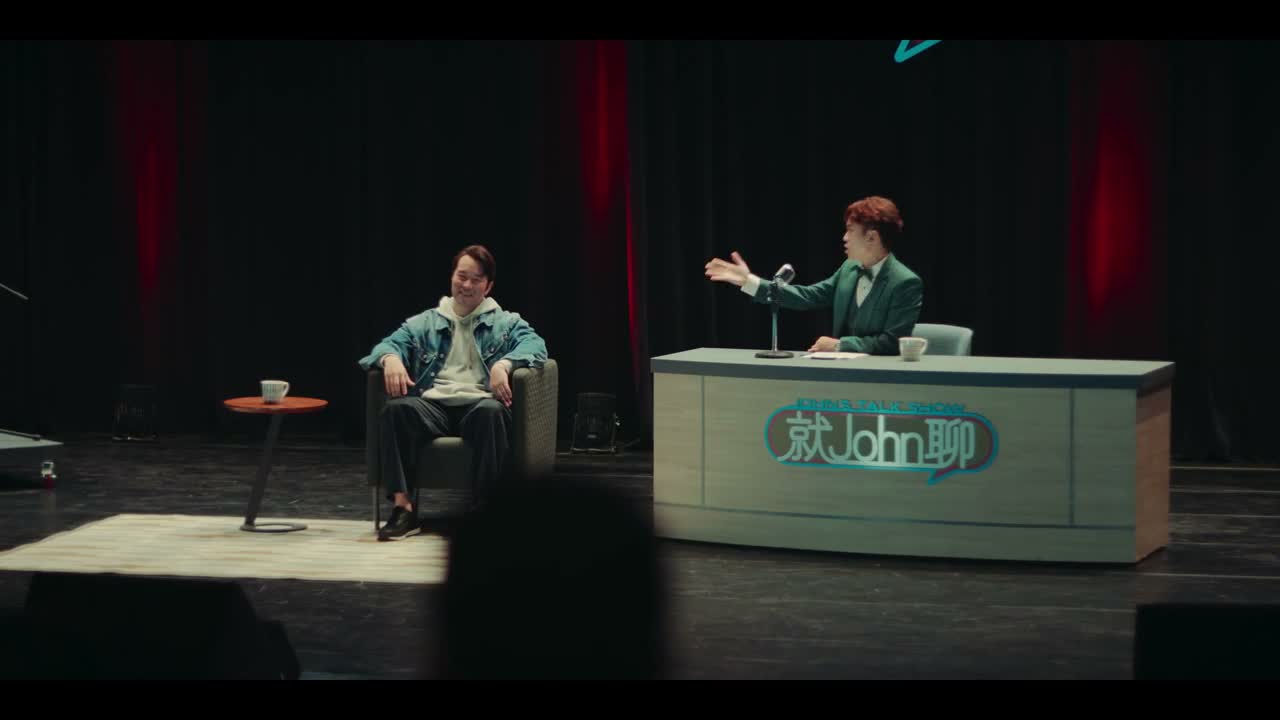
《Go Ahead》 S1·E29 (13:21) HSK 7
lǎo nián chī dāi ma zhǐ néng yuè lái yuè yán zhòng

老年痴呆嘛 只能越来越严重

“He has Alzheimer's disease. It's getting worse and worse.”

《Go Ahead》 S1·E29
TIMECODE: 13:21 · 1080P MASTER AUDIO

THE DIALOGUE REEL

1+1+1 SPOKEN CONTINUITY
[-1] PREVIOUS TURN jiǎn chá jié guǒ zěn me yàng

检查结果怎么样

“How is the result of examination?”

lǎo nián chī dāi ma zhǐ néng yuè lái yuè yán zhòng CURRENT FOCUS

老年痴呆 嘛 只能 越来越严重

“He has Alzheimer's disease. It's getting worse and worse.”

[+1] FOLLOW-UP TURN gū jì tā xiàn zài zhǐ néng jì de qǐ wǒ nǎi nǎi ba

估计他现在 只能记得起我奶奶吧

“I guess he can only remember my grandma.”

Subtitles synced to millisecond timecode Browse Show Clips →
Scene: Medical & Health
Function: REPORTING HEALTH CONDITION
Tone: RESIGNED
Emotion: HELPLESSNESS
WHAT THEY REALLY MEAN (PRAGMATIC SUBTEXT)
“There is no cure; we have to accept that he is only going to deteriorate further.”
💡 Cultural Insight: Facing Aging and Chronic Illness in the Family

Chinese families often confront aging and progressive illnesses like dementia with a stoic sense of shared burden and emotional resignation.

INTENT TAGS: #delivering_bad_news #resignation #stating_fact #managing_expectations
🧩

LEARNING CHUNKS & PARTICLES

2 CHUNKS · 1 PARTICLES
老年痴呆 SPOKEN CHUNK

senile dementia; Alzheimer's disease

A common colloquial term in Chinese for Alzheimer's disease or cognitive decline in elderly people.

越来越严重 SPOKEN CHUNK

getting more and more serious / deteriorating

A useful pattern (越来越 + adjective) frequently used to describe worsening conditions or illnesses.

Modal Particle「嘛」 (ma) CHANGE OF STATE

Marks an obvious or undeniable fact, softening the delivery of a painful reality.
🏮

VOCABULARY & EXPRESSIONS

2 EXPR · 0 GRAMMAR
CROSS-CINEMA CORPUS BOARD · PARALLEL SCENES

Parallel Spoken Cinema Scenes (语义近邻切片)

EXPLORE BY SEMANTIC SIMILARITY
《Go Ahead》 S1·E29 (13:21) · Authentic Cinema Dialogue Corpus