《Ashes to Crown》 S1·E6 (22:20)
HSK 2
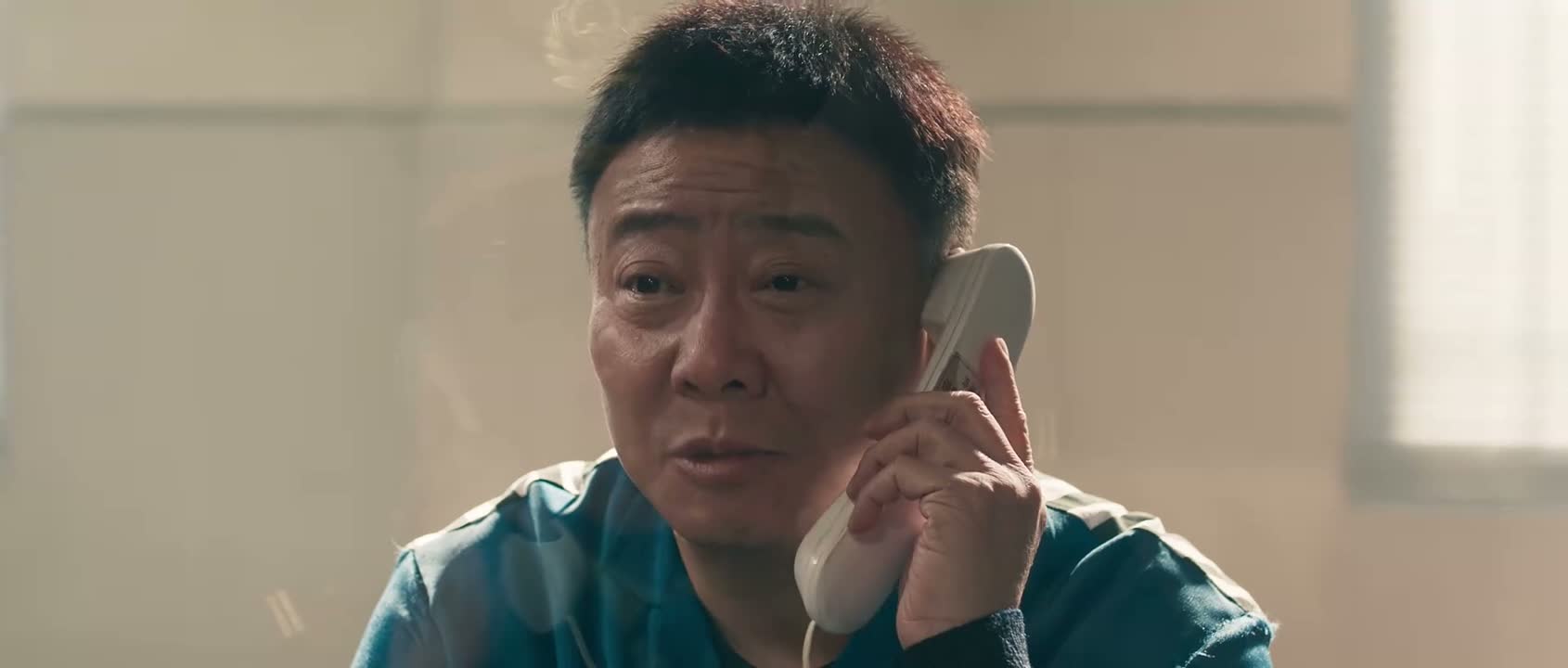
shì wǒ zì jǐ de wèn tí
是我自己的问题
“It's my fault.”
《Ashes to Crown》
S1·E6
TIMECODE: 22:20
·
1080P MASTER AUDIO
THE DIALOGUE REEL
[-1] PREVIOUS TURN
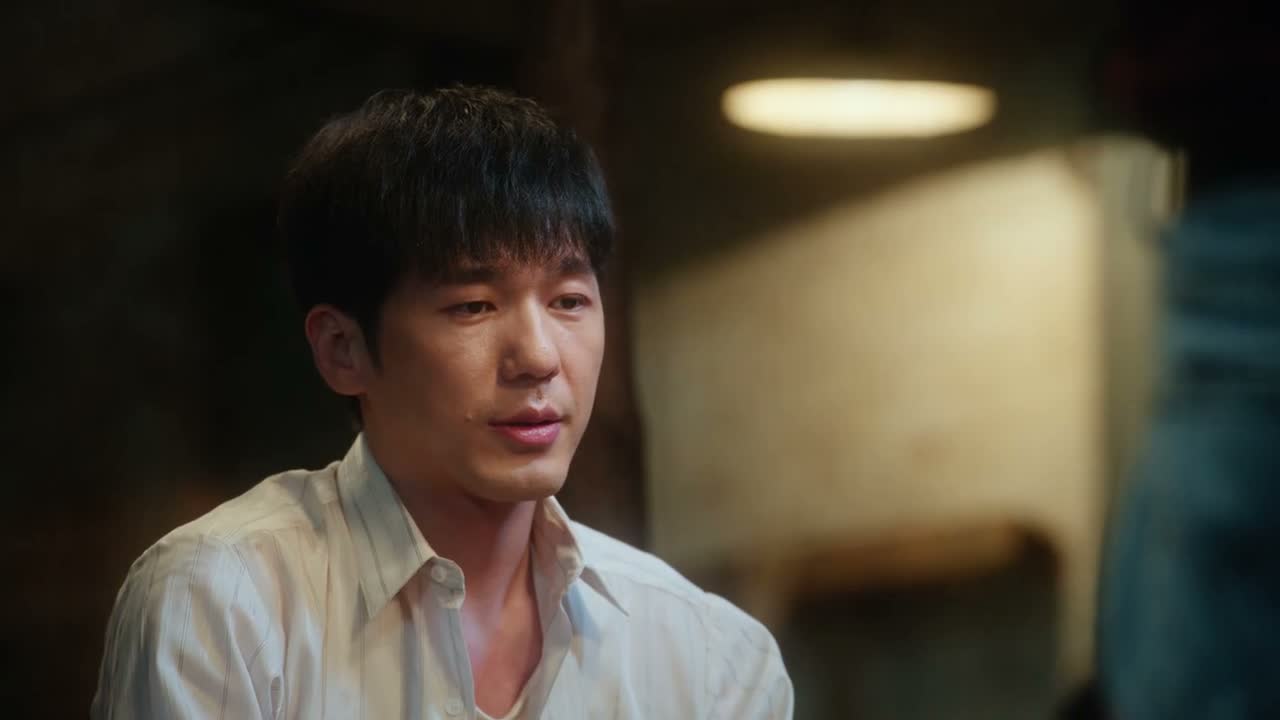
wǒ diē shuō de shǎo le tài gàn duō le tài nì
我爹说的 少了太干 多了太腻
“My father always said too little makes it dry and too much makes it greasy.”
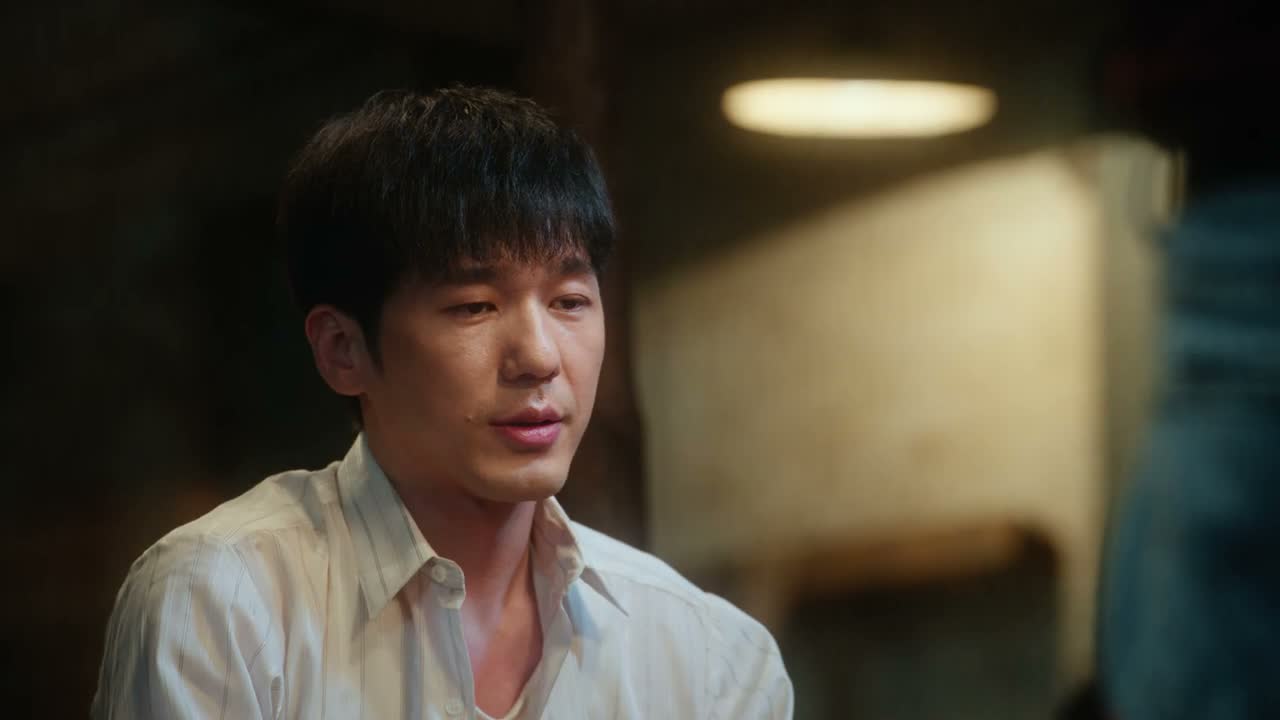
shì wǒ zì jǐ de wèn tí
CURRENT FOCUS
是我自己 的问题
“It's my fault.”
[+1] FOLLOW-UP TURN
wǒ lí kāi yún zhōng jùn tài jiǔ le
我离开云中郡太久了
“I have been away from Yunzhong for so long”
Subtitles synced to millisecond timecode
Browse Show Clips →
Scene:
Daily Life
Function:
ADMITTING FAULT
Tone:
DEFENSIVE
Emotion:
REGRET
WHAT THEY REALLY MEAN (PRAGMATIC SUBTEXT)
“Do not feel bad about the food, it is entirely my own unusual preference.”
💡 Cultural Insight: Self-Effacing Politeness
Chinese interpersonal communication frequently uses self-blame to preserve harmony and protect the host's or cook's feelings.
INTENT TAGS:
#self_deprecation
#saving_face
#deflection
#polite_excuse
🧩
1 CHUNKS · 0 PARTICLES
LEARNING CHUNKS & PARTICLES
我自己的问题
SPOKEN CHUNK
my own fault or issue
A very common polite disclaimer used to soften tension by shouldering responsibility yourself.
🏮
1 EXPR · 0 GRAMMAR
VOCABULARY & EXPRESSIONS
COLLOQUIAL EXPRESSIONS:
CROSS-CINEMA CORPUS BOARD · PARALLEL SCENES
EXPLORE BY SEMANTIC SIMILARITY
Parallel Spoken Cinema Scenes (语义近邻切片)
《Ashes to Crown》 S1·E6 (22:20) · Authentic Cinema Dialogue Corpus