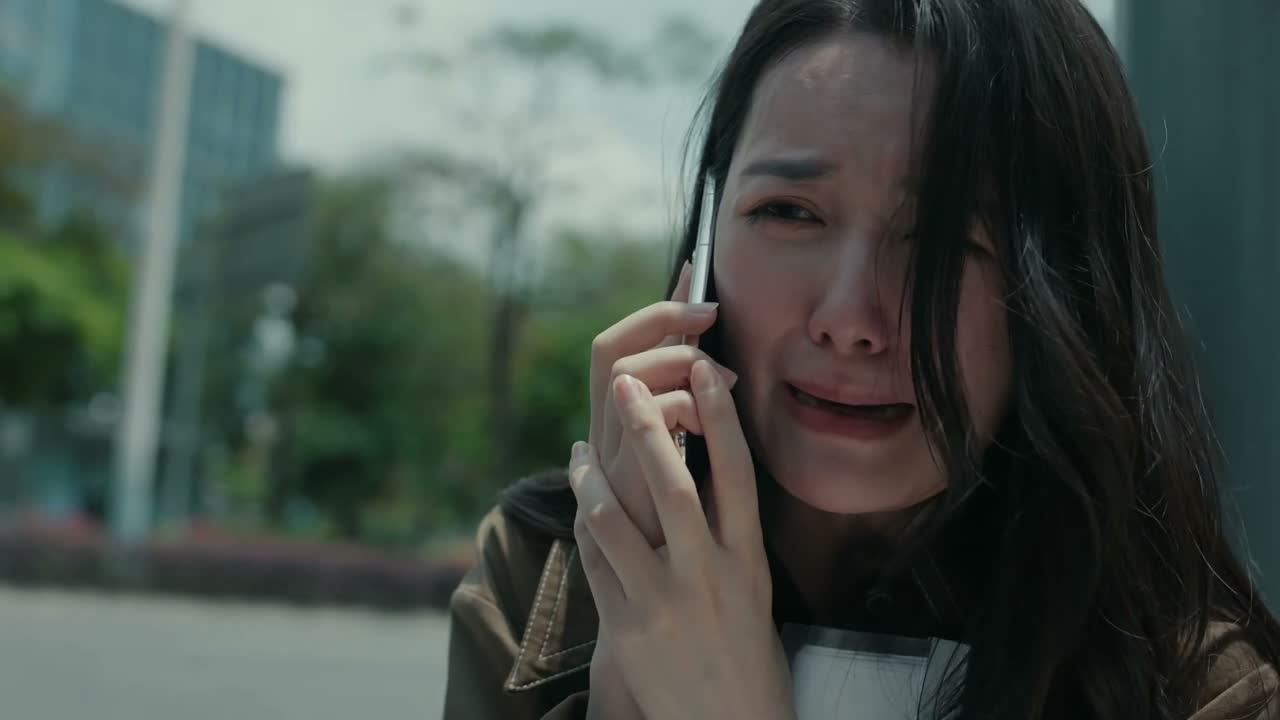
《Love Between Lines》 S1·E27 (07:56)
HSK 4
què bǎ nǐ luò zài le yuán dì
却把你落在了原地
“but I left you to face it alone.”
《Love Between Lines》
S1·E27
TIMECODE: 07:56
·
1080P MASTER AUDIO
THE DIALOGUE REEL
[-1] PREVIOUS TURN
wǒ zhǐ gù zhe zì jǐ táo lí nà jiàn shì
“I only thought of myself, running away from what happened,”
què bǎ nǐ luò zài le yuán dì
CURRENT FOCUS
却把你 落在了原地
“but I left you to face it alone.”
[+1] FOLLOW-UP TURN
zhè me dà de shì
这么大的事
“Such a significant matter—”
Subtitles synced to millisecond timecode
Browse Show Clips →
Scene:
Crisis & Conflict
Function:
APOLOGIZING
Tone:
CONTRITE
Emotion:
GUILT
WHAT THEY REALLY MEAN (PRAGMATIC SUBTEXT)
“I was a coward who saved myself and abandoned you to suffer alone, and I am deeply sorry.”
💡 Cultural Insight: Emotional Indebtedness (亏欠感)
Chinese relationships place high moral value on standing by someone through adversity; leaving someone behind creates a heavy burden of moral and emotional indebtedness (亏欠).
INTENT TAGS:
#confession
#remorse
#self_reproach
#acknowledgment
🧩
2 CHUNKS · 0 PARTICLES
LEARNING CHUNKS & PARTICLES
却
SPOKEN CHUNK
yet; however
Used as an adverb within the second clause to signal an unexpected, contradictory, or regrettable turn of events.
把……落在原地
SPOKEN CHUNK
to leave someone stranded/behind in the original place
A powerful evocative collocation used metaphorically to express abandoning someone emotionally or physically in past trauma.
🏮
1 EXPR · 0 GRAMMAR
VOCABULARY & EXPRESSIONS
COLLOQUIAL EXPRESSIONS:
CROSS-CINEMA CORPUS BOARD · PARALLEL SCENES
EXPLORE BY SEMANTIC SIMILARITY
Parallel Spoken Cinema Scenes (语义近邻切片)
《Love Between Lines》 S1·E27 (07:56) · Authentic Cinema Dialogue Corpus