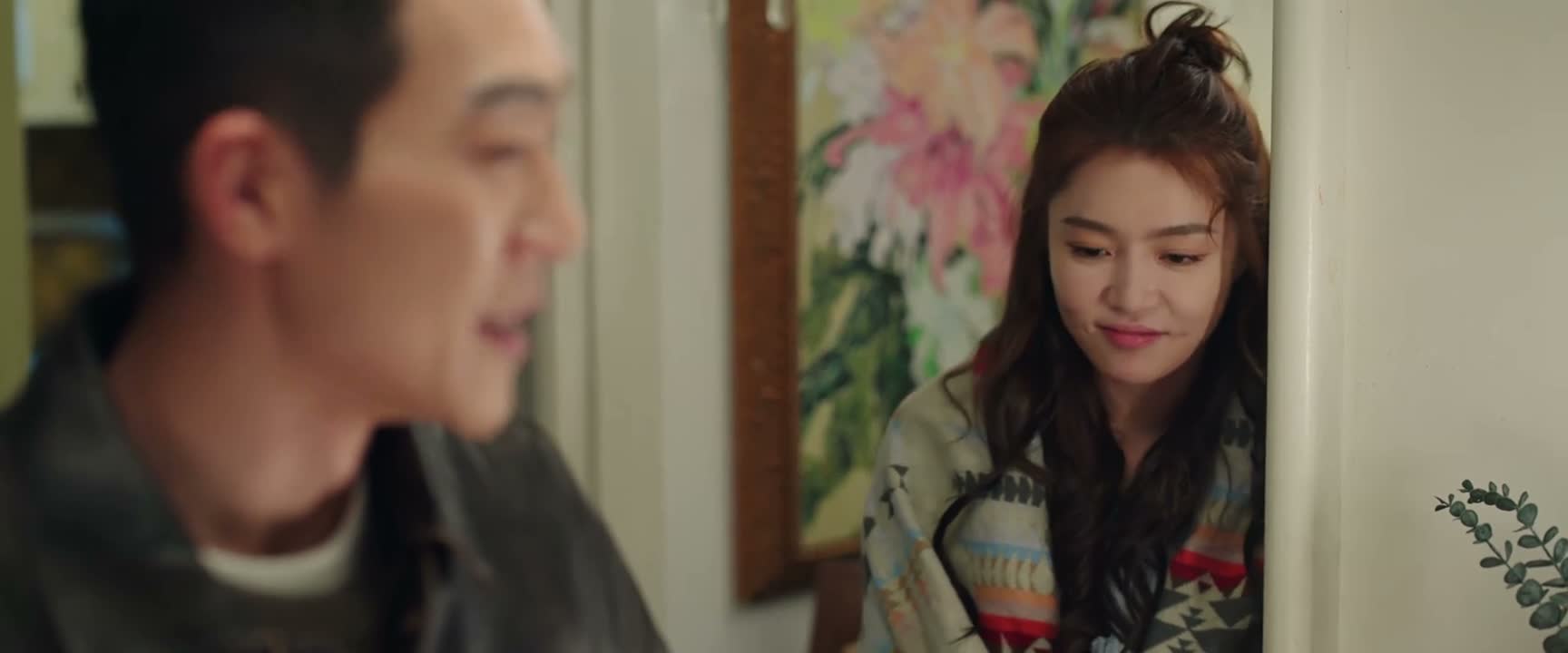
《The Inner Eye》 S1·E25 (36:04)
HSK 3
wǒ bǎ nǐ gěi nòng diū le
我把你给弄丢了
“I lost you,”
《The Inner Eye》
S1·E25
TIMECODE: 36:04
·
1080P MASTER AUDIO
THE DIALOGUE REEL
[-1] PREVIOUS TURN
jiù xiàng wǒ gāng lái de shí hòu nà yàng
就像我刚来的时候那样
“Just like when I first got here.”
wǒ bǎ nǐ gěi nòng diū le
CURRENT FOCUS
我 把 你 给 弄丢了
“I lost you,”
[+1] FOLLOW-UP TURN
shì bú shì
是不是
“didn't I?”
Subtitles synced to millisecond timecode
Browse Show Clips →
Scene:
Social & Dating
Function:
ADMITTING FAULT
Tone:
MELANCHOLIC
Emotion:
REMORSE
WHAT THEY REALLY MEAN (PRAGMATIC SUBTEXT)
“I failed you and damaged our relationship, and I feel immense guilt about it.”
💡 Cultural Insight: Metaphorical Loss in Relationships
Using '弄丢' (accidentally misplacing) to describe losing a loved one emphasizes personal negligence and intense sorrow rather than intentional parting.
INTENT TAGS:
#apology
#remorse
#confession
#reflection
🧩
1 CHUNKS · 1 PARTICLES
LEARNING CHUNKS & PARTICLES
把……给弄丢了
SPOKEN CHUNK
ended up losing / accidentally lost someone or something
A colloquial ba-construction with 'gei' emphasizing the unfortunate, unintentional loss of something precious.
Modal Particle「了」 (le)
CHANGE OF STATE
Marks the completed realization of a painful, irreversible state of emotional loss.
🏮
1 EXPR · 2 GRAMMAR
VOCABULARY & EXPRESSIONS
COLLOQUIAL EXPRESSIONS:
GRAMMAR BLUEPRINTS:
CROSS-CINEMA CORPUS BOARD · PARALLEL SCENES
EXPLORE BY SEMANTIC SIMILARITY
Parallel Spoken Cinema Scenes (语义近邻切片)

《The Inner Eye》 S1·E25 (36:04) · Authentic Cinema Dialogue Corpus