MC
MandarinClips Cinema Corpus
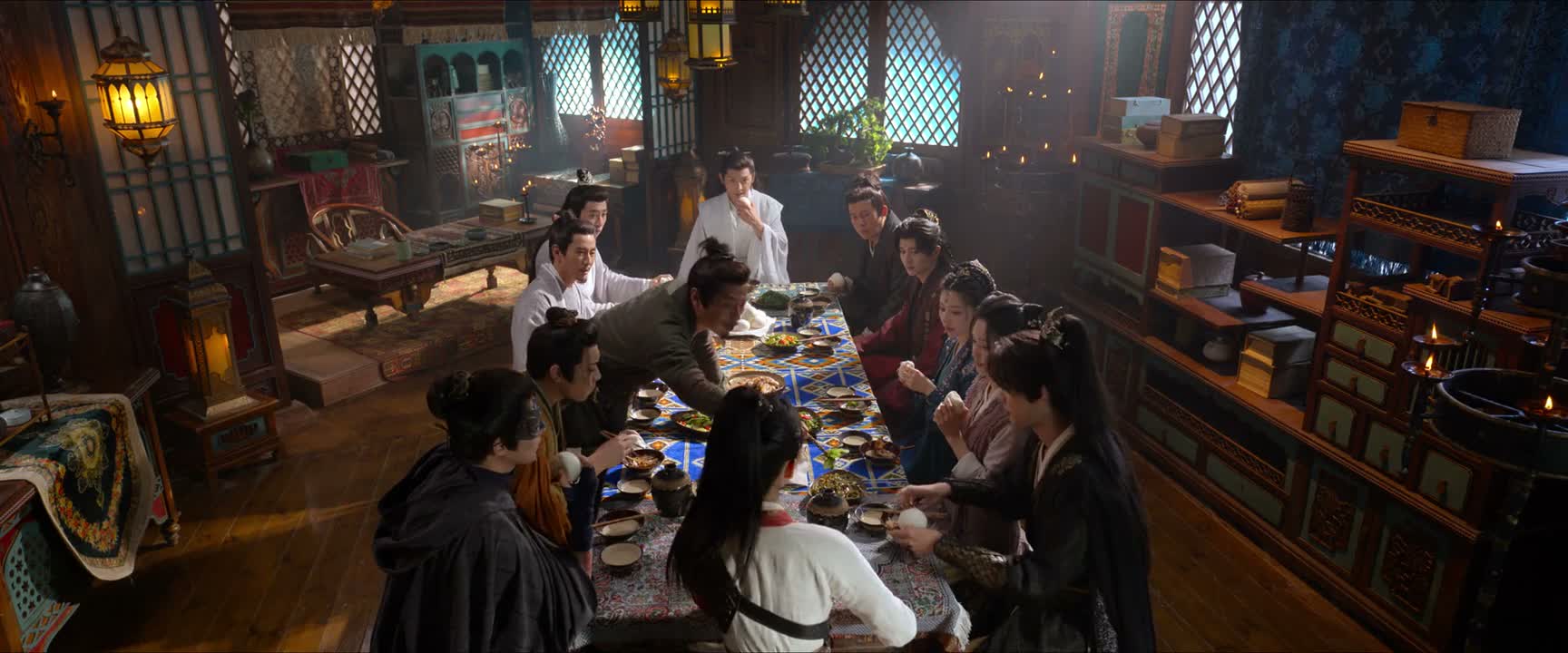
《The Lead》 S1·E10 (26:29) HSK 6
fàng táng le tián dé hěn ma gěi lǐ tou fàng táng le tuǐ zǎ yàng le ma

放糖了 甜得很嘛 给里头放糖了 腿咋样了嘛

“I added sugar. It's sweet! - I added sugar. - How's your leg?”

《The Lead》 S1·E10
TIMECODE: 26:29 · 1080P MASTER AUDIO

THE DIALOGUE REEL

1+1+1 SPOKEN CONTINUITY
[-1] PREVIOUS TURN tián bù tián

甜不甜

“Sweet, huh?”

fàng táng le tián dé hěn ma gěi lǐ tou fàng táng le tuǐ zǎ yàng le ma CURRENT FOCUS

放糖了 甜得很 嘛 给里头放糖了 腿 咋样了嘛

“I added sugar. It's sweet! - I added sugar. - How's your leg?”

[+1] FOLLOW-UP TURN bù téng le

不疼了

“Much better.”

Subtitles synced to millisecond timecode Browse Show Clips →
Scene: Family & Home
Function: CARING INQUIRY
Tone: WARM AND GENTLE
Emotion: AFFECTION
WHAT THEY REALLY MEAN (PRAGMATIC SUBTEXT)

Direct spoken expression in this communicative setting.

💡 Cultural Insight: Nurturing via Sweet Comfort Foods

In traditional rural Chinese culture, adding sugar to water or porridge is a classic gesture of hospitality and tender care for the sick or injured.

INTENT TAGS: #caregiving #inquiry #comforting #reassurance
🧩

LEARNING CHUNKS & PARTICLES

2 CHUNKS · 2 PARTICLES
甜得很 SPOKEN CHUNK

very sweet

A colloquial northern/northwestern pattern where 'adjective + 得很' intensifies the quality.

腿咋样了 SPOKEN CHUNK

how is your leg doing

A casual way to inquire about someone's injury or healing progress using the dialectal '咋样' (how).

Modal Particle「嘛」 (ma) CHANGE OF STATE

Softens the inquiry and highlights obviousness, making the tone friendly and caring.

Modal Particle「了」 (le) CHANGE OF STATE

Indicates a completed action (adding sugar) and a change of state regarding the leg's recovery.
🏮

VOCABULARY & EXPRESSIONS

2 EXPR · 0 GRAMMAR
CROSS-CINEMA CORPUS BOARD · PARALLEL SCENES

Parallel Spoken Cinema Scenes (语义近邻切片)

EXPLORE BY SEMANTIC SIMILARITY
《The Lead》 S1·E10 (26:29) · Authentic Cinema Dialogue Corpus