MC
MandarinClips Cinema Corpus
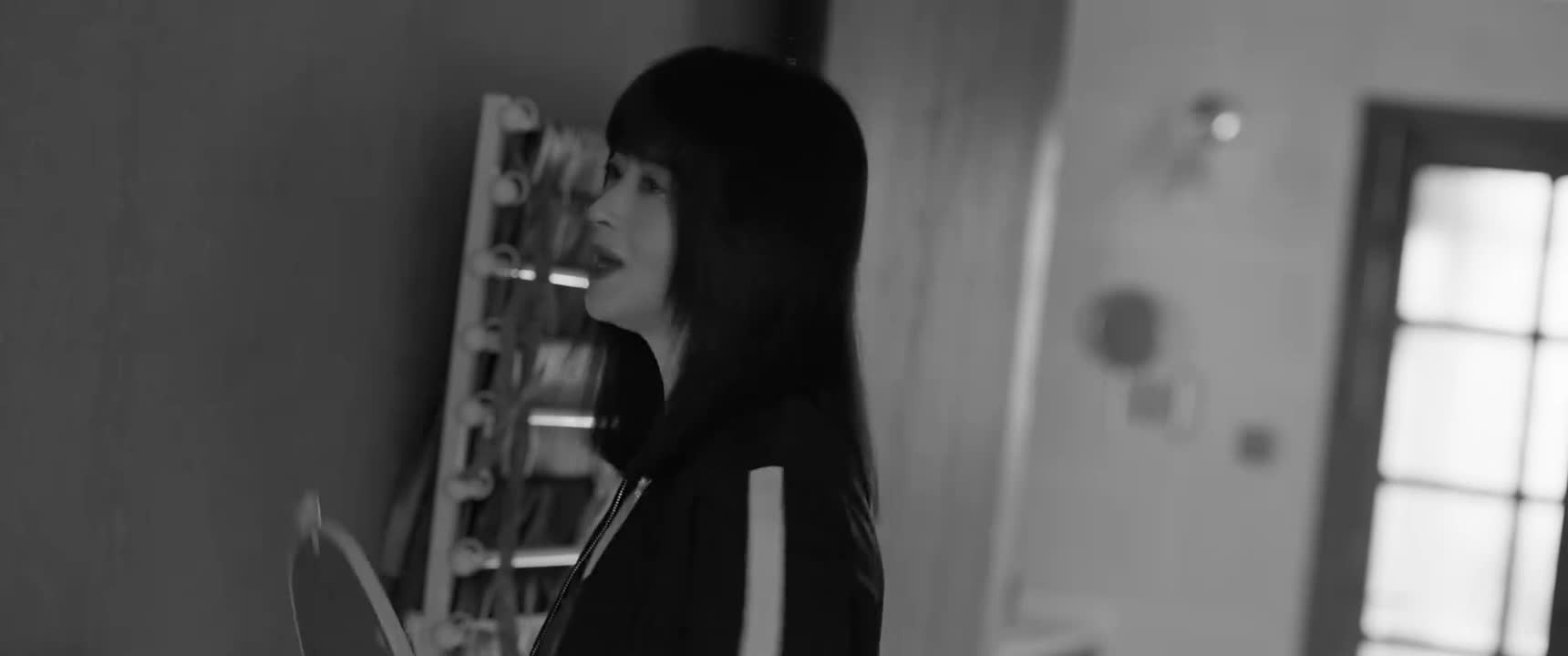
《About Love》 S1·E11 (05:28) HSK 5
wǒ xiè xiè nǐ gěi nǐ duō shǎo qián ya

我谢谢你 给你多少钱呀

“Thanks. How much do they pay you?”

《About Love》 S1·E11
TIMECODE: 05:28 · 1080P MASTER AUDIO

THE DIALOGUE REEL

1+1+1 SPOKEN CONTINUITY
[-1] PREVIOUS TURN nǐ néng gěi wǒ gè xiào liǎn bù

你能给我个笑脸不

“Can't you even give me a smile?”

wǒ xiè xiè nǐ gěi nǐ duō shǎo qián ya CURRENT FOCUS

我谢谢你 给你多少钱 呀

“Thanks. How much do they pay you?”

[+1] FOLLOW-UP TURN wǒ shí bèi huán gěi nǐ

我十倍还给你

“I'll give you ten times that.”

Subtitles synced to millisecond timecode Browse Show Clips →
Scene: Crisis & Conflict
Function: SARCASTIC REJECTION
Tone: SARCASTIC
Emotion: IRRITATION
WHAT THEY REALLY MEAN (PRAGMATIC SUBTEXT)
“You don't own my mood, so stop acting like I owe you a smile.”
💡 Cultural Insight: Emotional Labor and Sarcastic Courtesy

Using polite formulae like '我谢谢你' sarcastically is a common Chinese pragmatic strategy to resist unwanted emotional demands without resorting to outright profanity.

INTENT TAGS: #sarcasm #defiance #dismissal #conflict_escalation
🧩

LEARNING CHUNKS & PARTICLES

2 CHUNKS · 1 PARTICLES
我谢谢你 SPOKEN CHUNK

thanks a lot / thank you very much (often sarcastic)

When uttered with sharp intonation, this common expression conveys frustration or mockery rather than genuine gratitude.

给个笑脸 SPOKEN CHUNK

put on a smile / show a pleasant face

Used to describe showing someone basic courtesy or a friendly expression, often in demanding contexts.

Modal Particle「呀」 (ya) CHANGE OF STATE

Softens the interrogative slightly on the surface while accentuating the underlying sarcastic bite.
🏮

VOCABULARY & EXPRESSIONS

2 EXPR · 0 GRAMMAR
CROSS-CINEMA CORPUS BOARD · PARALLEL SCENES

Parallel Spoken Cinema Scenes (语义近邻切片)

EXPLORE BY SEMANTIC SIMILARITY
《About Love》 S1·E11 (05:28) · Authentic Cinema Dialogue Corpus