这两个字怎么念啊
“these words when I came in.”
THE DIALOGUE REEL
进来的时候我就在想
“I wondered how to pronounce”
这 两个字 怎么念 啊
“these words when I came in.”
摄影
“Photography?”
Direct spoken expression in this communicative setting.
Due to stylistic variations or specialized signage fonts, asking companions how to pronounce unusual or stylized characters is a very common everyday exchange in China.
LEARNING CHUNKS & PARTICLES
how to read/pronounce
A primary everyday question pattern used to ask how a written word or character is voiced aloud.
these two characters
Standard deictic phrase to point out specific written text.
Softens the direct question to sound relaxed, natural, and polite.
VOCABULARY & EXPRESSIONS
Parallel Spoken Cinema Scenes (语义近邻切片)
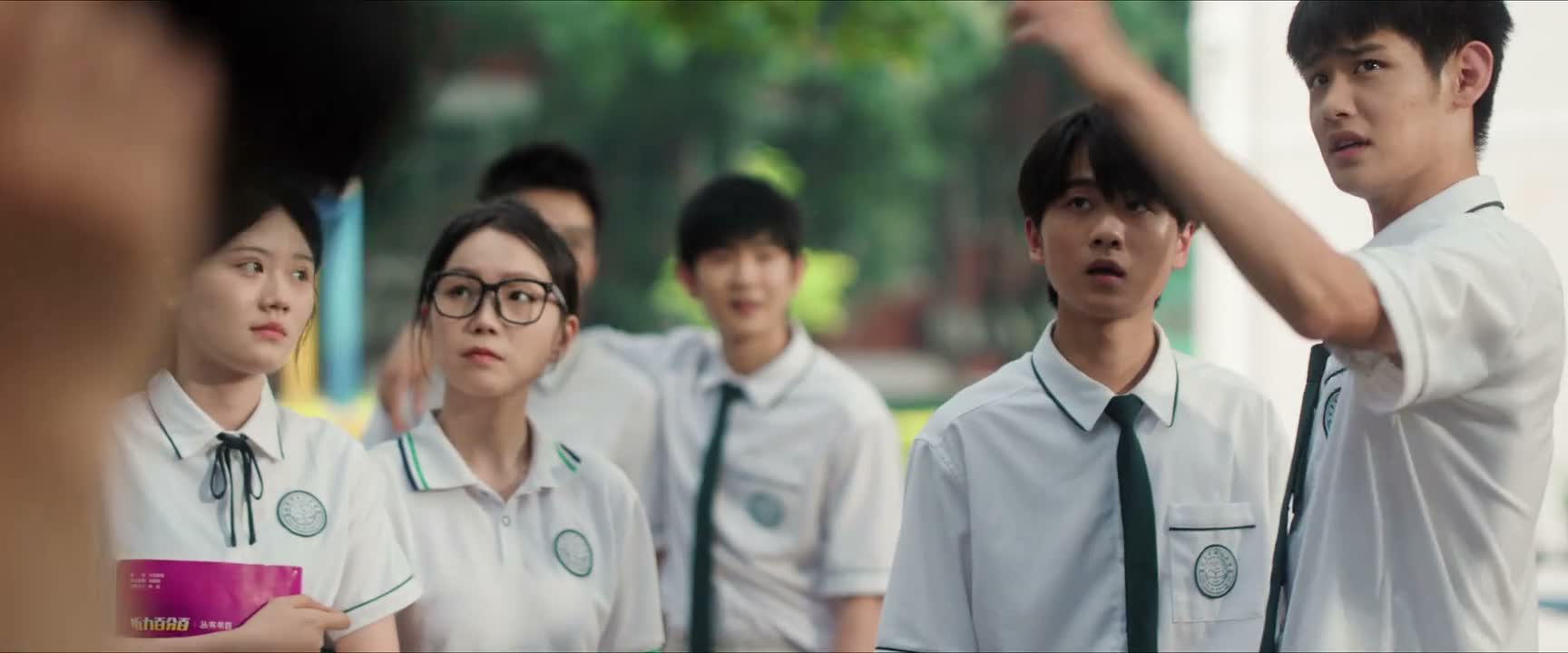
“What do these words say? Can you read them for me?”
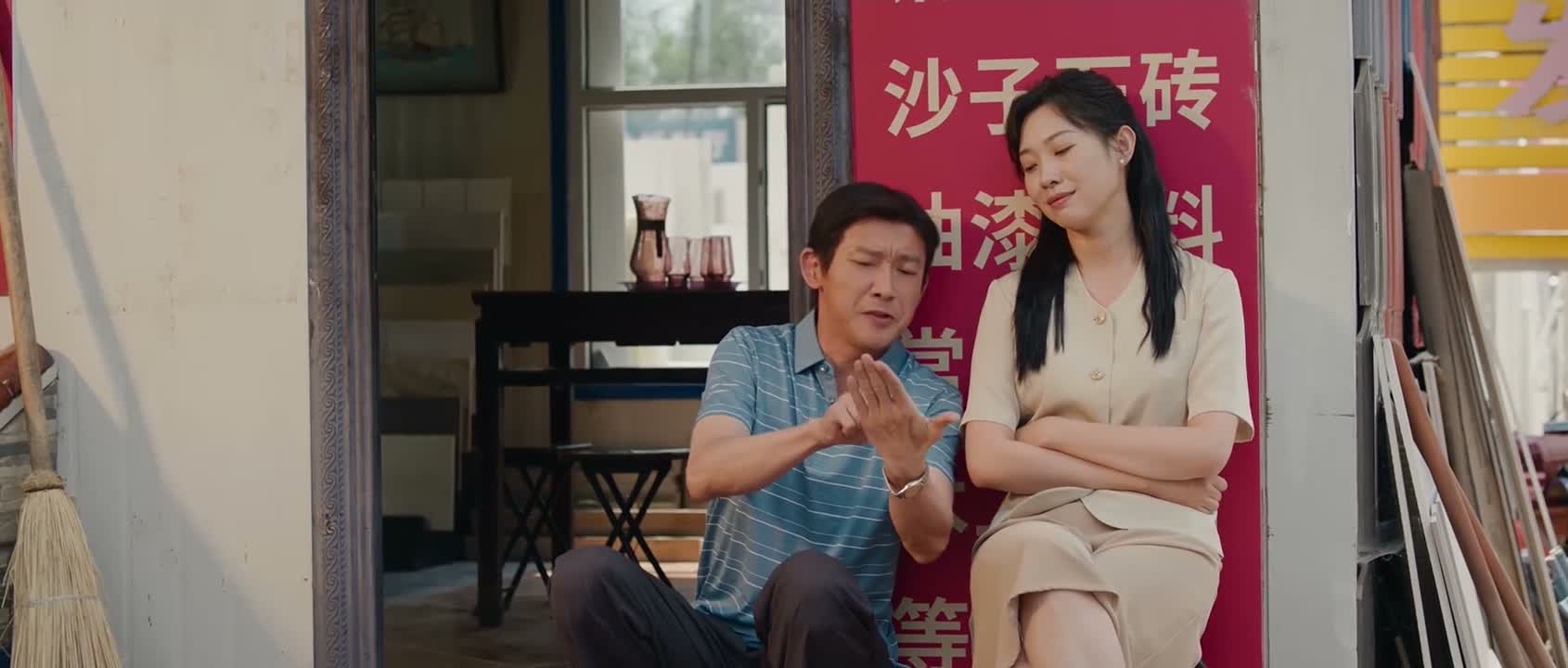
“Is this pronounced 'a' or 'd'? Or is it 'a'?”

“Look, how do you pronounce this character? [Talents who failed the February imperial exam] Wei.”