《Vanished Name》 S1·E13 (02:04)
HSK 5
nǐ suǒ shá mén a měi yàn měi yàn
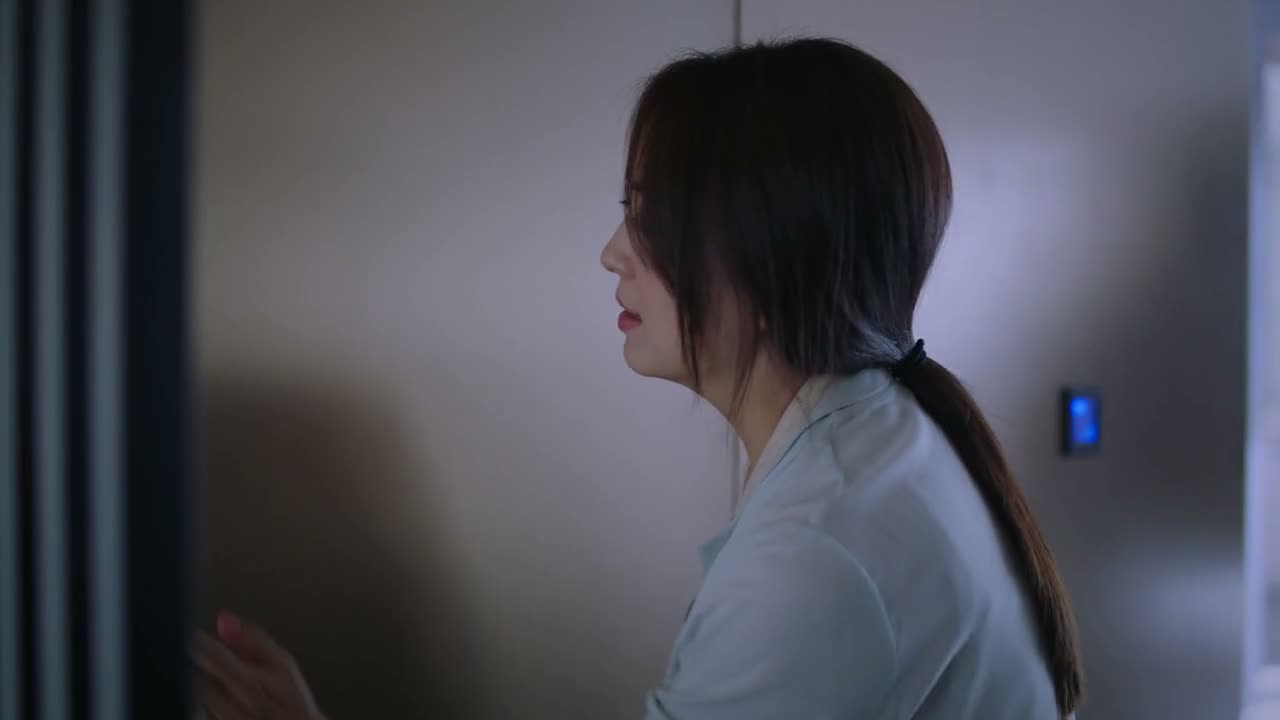
你锁啥门啊 美艳 美艳
“Why did you lock the door? Meiyan.”
《Vanished Name》
S1·E13
TIMECODE: 02:04
·
1080P MASTER AUDIO
THE DIALOGUE REEL
[-1] PREVIOUS TURN
lái mā
来 妈
“- Let me try. - Mom.”
nǐ suǒ shá mén a měi yàn měi yàn
CURRENT FOCUS
你 锁啥门啊 美艳 美艳
“Why did you lock the door? Meiyan.”
[+1] FOLLOW-UP TURN
měi yàn
美艳
“Meiyan.”
Subtitles synced to millisecond timecode
Browse Show Clips →
Scene:
Family & Home
Function:
DEMANDING EXPLANATION
Tone:
URGENT
Emotion:
ANXIETY
WHAT THEY REALLY MEAN (PRAGMATIC SUBTEXT)
“Open this door right now, do not shut me out!”
💡 Cultural Insight: Emotional Withdrawal by Locking Doors
In traditional Chinese family dynamics where physical boundaries are often blurred, retreating and locking a room door is a classic passive-aggressive signal of emotional distress or defiance.
INTENT TAGS:
#demanding_entry
#impatience
#calling_out
#frustration
🧩
2 CHUNKS · 1 PARTICLES
LEARNING CHUNKS & PARTICLES
锁门
SPOKEN CHUNK
to lock the door
A common verbal phrase used when referring to securing or locking an interior or exterior door.
啥
SPOKEN CHUNK
what (informal/dialectal)
Colloquial Northern Mandarin equivalent of 什么, very frequent in casual spoken speech.
Modal Particle「啊」 (a)
CHANGE OF STATE
Adds an impatient, pressing, and bewildered tone to the rhetorical question.
🏮
1 EXPR · 0 GRAMMAR
VOCABULARY & EXPRESSIONS
COLLOQUIAL EXPRESSIONS:
CROSS-CINEMA CORPUS BOARD · PARALLEL SCENES
EXPLORE BY SEMANTIC SIMILARITY
Parallel Spoken Cinema Scenes (语义近邻切片)
《Vanished Name》 S1·E13 (02:04) · Authentic Cinema Dialogue Corpus