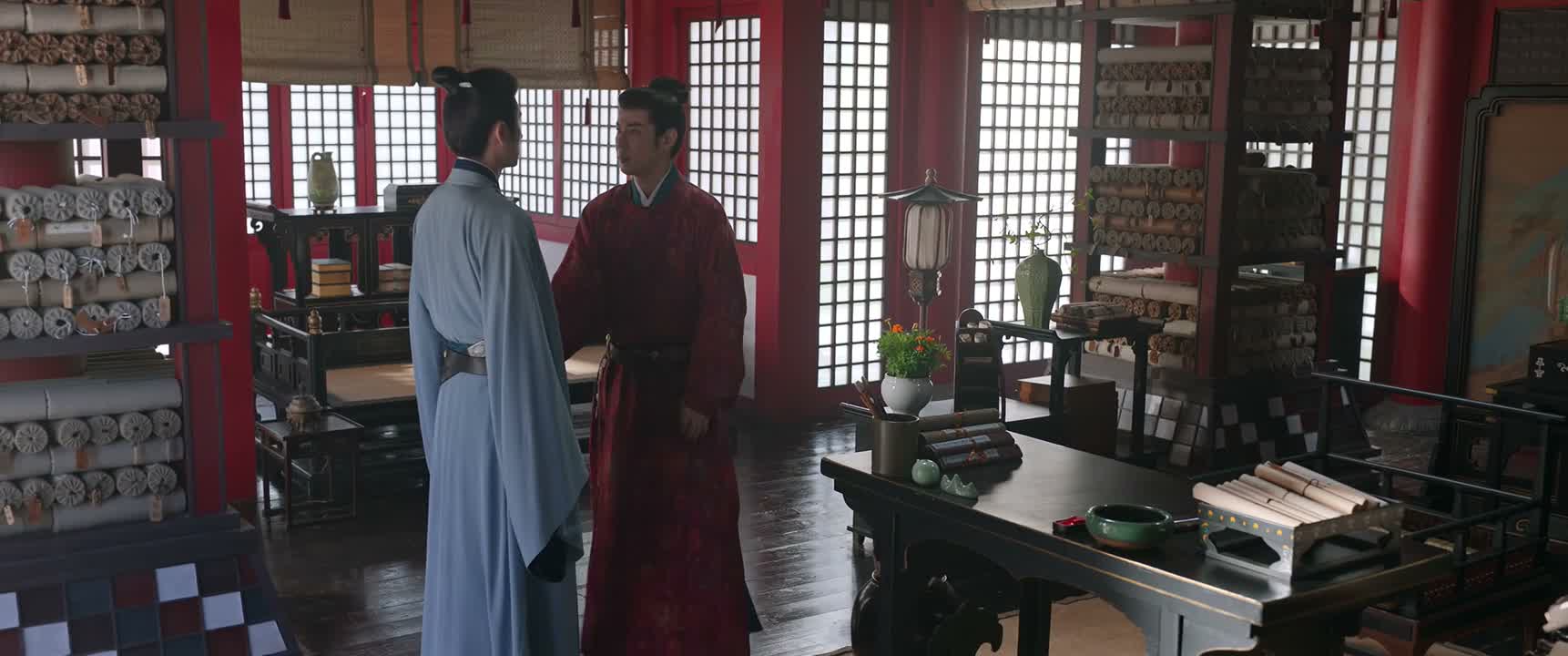
《Archives: The Nanyang Mystery》 S1·E19 (26:22)
HSK 5
nà nǐ wèi shén me yào bāng wǒ men qù fēn xī mò yún gāo de qíng kuàng ne
那你为什么要帮我们 去分析莫云高的情况呢
“why are you helping us analyze Mo Yungao's situation?”
《Archives: The Nanyang Mystery》
S1·E19
TIMECODE: 26:22
·
1080P MASTER AUDIO
THE DIALOGUE REEL
[-1] PREVIOUS TURN
rú guǒ nǐ shì mò yún gāo
如果你是莫云高
“If you are Mo Yungao,”
nà nǐ wèi shén me yào bāng wǒ men qù fēn xī mò yún gāo de qíng kuàng ne
CURRENT FOCUS
那你 为什么要帮我们 去分析莫云高的 情况 呢
“why are you helping us analyze Mo Yungao's situation?”
[+1] FOLLOW-UP TURN
wǒ kě néng shì mò yún gāo wǒ yě kě néng bú shì nà nǐ shì hái shì bú shì
我可能是莫云高 我也可能不是 那你是还是不是
“I might be Mo Yungao, but I might not be. So are you or aren't you?”
Subtitles synced to millisecond timecode
Browse Show Clips →
Scene:
Crisis & Conflict
Function:
DEMANDING EXPLANATION
Tone:
PROBING
Emotion:
SUSPICION
WHAT THEY REALLY MEAN (PRAGMATIC SUBTEXT)
“Your behavior doesn't match who you claim to be, so explain your real motive.”
💡 Cultural Insight: Socratic Interrogation in Chinese Narrative
In Chinese detective and suspense dialogues, characters often challenge suspects using rhetorical 'why' constructions to force them to resolve logical paradoxes.
INTENT TAGS:
#probing
#questioning
#suspicion
#demanding_explanation
🧩
1 CHUNKS · 1 PARTICLES
LEARNING CHUNKS & PARTICLES
那你为什么
SPOKEN CHUNK
then why do you / why did you
Commonly used to pivot into a sharp counter-question based on preceding statements.
Modal Particle「呢」 (ne)
CHANGE OF STATE
Softens the interrogative pressure slightly while sustaining the expectation of a clear, reflective response.
🏮
2 EXPR · 0 GRAMMAR
VOCABULARY & EXPRESSIONS
COLLOQUIAL EXPRESSIONS:
CROSS-CINEMA CORPUS BOARD · PARALLEL SCENES
EXPLORE BY SEMANTIC SIMILARITY
Parallel Spoken Cinema Scenes (语义近邻切片)

《Archives: The Nanyang Mystery》 S1·E19 (26:22) · Authentic Cinema Dialogue Corpus