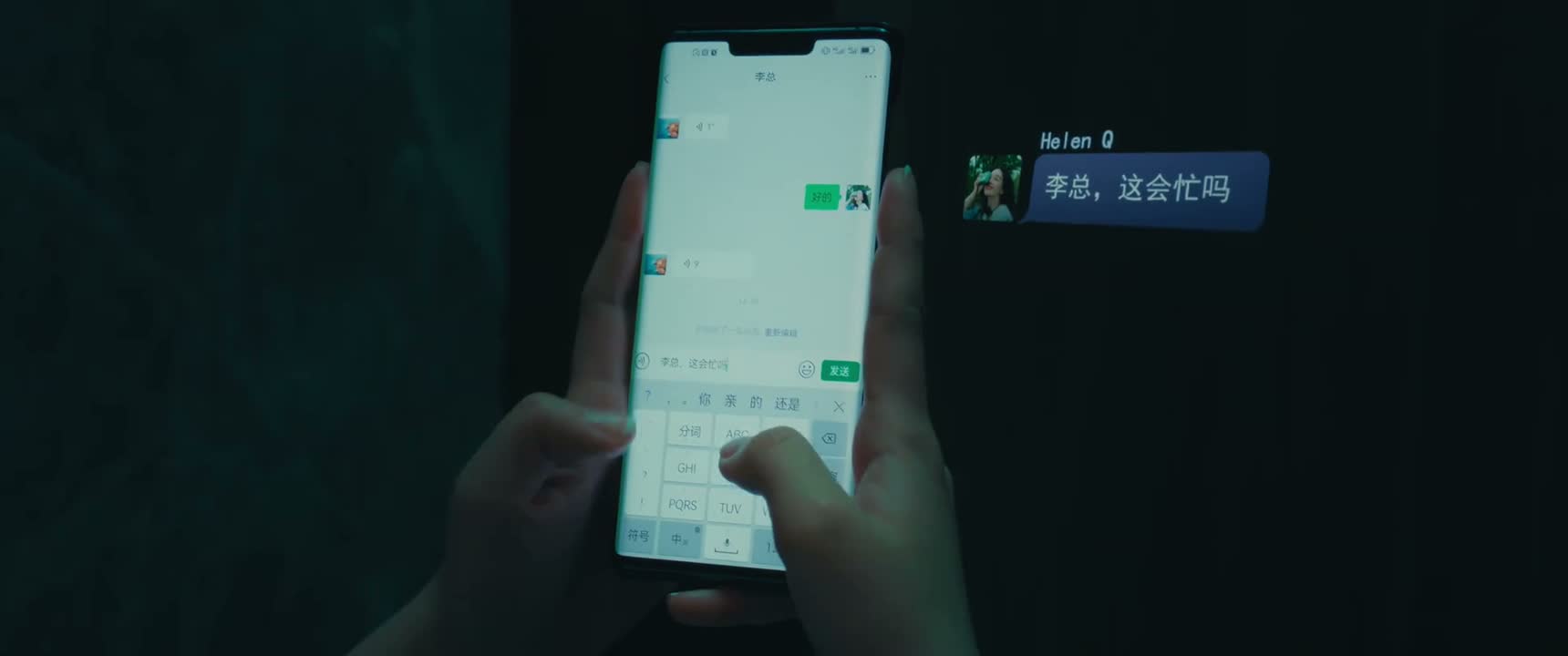
《The Heir》 S1·E36 (15:35)
HSK 3
kě wǒ yòu yǒu shén me cuò ne
可我又有什么错呢
“But what did I do wrong?”
《The Heir》
S1·E36
TIMECODE: 15:35
·
1080P MASTER AUDIO
THE DIALOGUE REEL
kě wǒ yòu yǒu shén me cuò ne
CURRENT FOCUS
可我又 有什么错呢
“But what did I do wrong?”
[+1] FOLLOW-UP TURN
wǒ chū shēn hán wēi
我出身寒微
“I was born poor”
Subtitles synced to millisecond timecode
Browse Show Clips →
Scene:
Crisis & Conflict
Function:
SELF JUSTIFICATION
Tone:
AGGRIEVED
Emotion:
DEFENSIVENESS
WHAT THEY REALLY MEAN (PRAGMATIC SUBTEXT)
“Don't blame me for doing what I had to do to survive.”
💡 Cultural Insight: Struggle of Low Birth (寒微之争)
In historical and social contexts, characters from impoverished backgrounds often justify morally questionable actions as inevitable necessities driven by class oppression.
INTENT TAGS:
#self_justification
#deflection
#victimhood
#grievance
🧩
1 CHUNKS · 1 PARTICLES
LEARNING CHUNKS & PARTICLES
又有什么错
SPOKEN CHUNK
what fault is there anyway / what did one do wrong
A rhetorical device frequently used to defend oneself against accusations or unyielding moral criticism.
Modal Particle「呢」 (ne)
CHANGE OF STATE
Softens the rhetorical question while inviting the listener to reflect, heightening the sense of aggrieved indignation.
🏮
1 EXPR · 0 GRAMMAR
VOCABULARY & EXPRESSIONS
COLLOQUIAL EXPRESSIONS:
CROSS-CINEMA CORPUS BOARD · PARALLEL SCENES
EXPLORE BY SEMANTIC SIMILARITY
Parallel Spoken Cinema Scenes (语义近邻切片)
《The Heir》 S1·E36 (15:35) · Authentic Cinema Dialogue Corpus