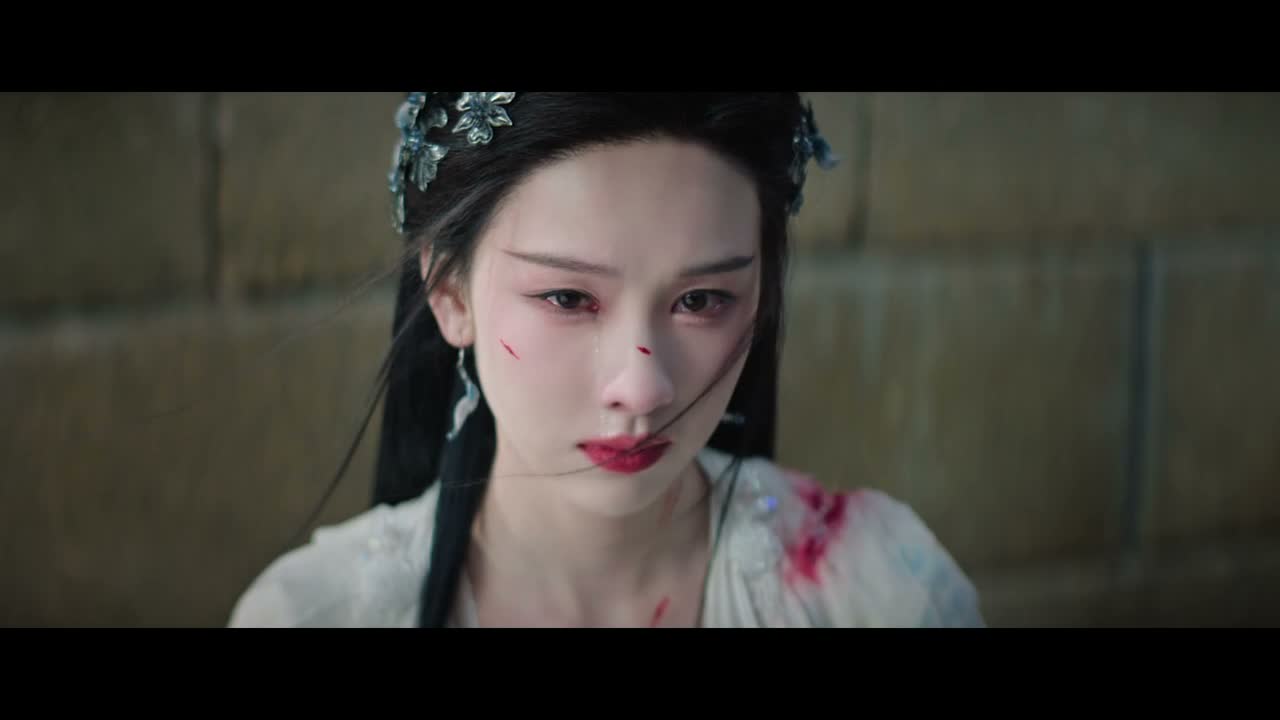
《Veil of Shadows》 S1·E17 (34:17)
HSK 4
nǐ yě huì bù wǒ de hòu chén
你也会步我的后尘
“you'll end up like me.”
《Veil of Shadows》
S1·E17
TIMECODE: 34:17
·
1080P MASTER AUDIO
THE DIALOGUE REEL
[-1] PREVIOUS TURN
huò xǔ zài guò bù jiǔ
或许再过不久
“Perhaps before long,”
nǐ yě huì bù wǒ de hòu chén
CURRENT FOCUS
你 也会 步我的后尘
“you'll end up like me.”
[+1] FOLLOW-UP TURN
bié xiàng wǒ zhè yàng
别像我这样
“Don't become like me.”
Subtitles synced to millisecond timecode
Browse Show Clips →
Scene:
Crisis & Conflict
Function:
WARNING
Tone:
OMINOUS
Emotion:
DESPAIR
WHAT THEY REALLY MEAN (PRAGMATIC SUBTEXT)
“You think you are different, but you will end up ruined just like me.”
💡 Cultural Insight: Lessons of the Predecessor (前车之鉴)
Chinese interpersonal rhetoric frequently employs one's own ruined state as a cautionary tale to shock others out of stubborn complacency.
INTENT TAGS:
#warning
#foreboding
#caution
#fatalism
🧩
1 CHUNKS · 0 PARTICLES
LEARNING CHUNKS & PARTICLES
步……的后尘
SPOKEN CHUNK
to follow in someone's footsteps (usually negative)
Used as an idiom to describe repeating another person's disastrous mistakes or unfortunate downfall.
🏮
2 EXPR · 0 GRAMMAR
VOCABULARY & EXPRESSIONS
COLLOQUIAL EXPRESSIONS:
CROSS-CINEMA CORPUS BOARD · PARALLEL SCENES
EXPLORE BY SEMANTIC SIMILARITY
Parallel Spoken Cinema Scenes (语义近邻切片)
《Veil of Shadows》 S1·E17 (34:17) · Authentic Cinema Dialogue Corpus