这个直升机这么晕的吗
“Is this helicopter really that nauseating?”
THE DIALOGUE REEL
一会再说
“for later.”
这个 直升机 这么晕的吗
“Is this helicopter really that nauseating?”
裴总
“Mr. Pei.”
Direct spoken expression in this communicative setting.
In informal Chinese spoken culture, individuals openly vocalize physical vulnerabilities such as car sickness or dizziness ('晕') without social awkwardness or embarrassment.
LEARNING CHUNKS & PARTICLES
this dizzying; causes this much motion sickness
Used colloquially to describe extreme nausea, vertigo, or motion sickness from transport or rides.
Part of the descriptive pattern '...的吗', reinforcing a sense of unexpected quality or characteristic.
Forms a rhetorical or genuine question expressing surprise and seeking confirmation from the listener.
VOCABULARY & EXPRESSIONS
Parallel Spoken Cinema Scenes (语义近邻切片)
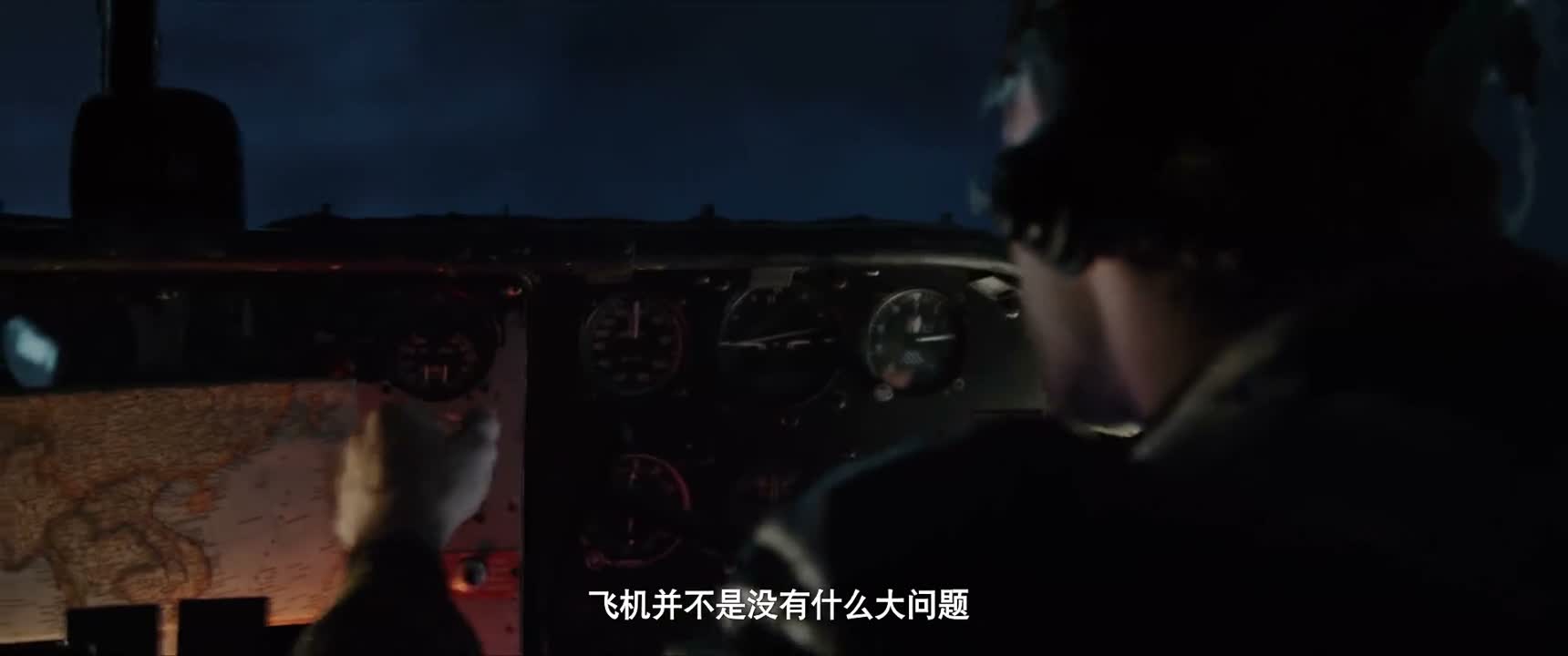
“the plane was not without major problems.”

“Why didn't you ask if I just got off the plane?”

“Why did she agree to let you take on such a long mission?”
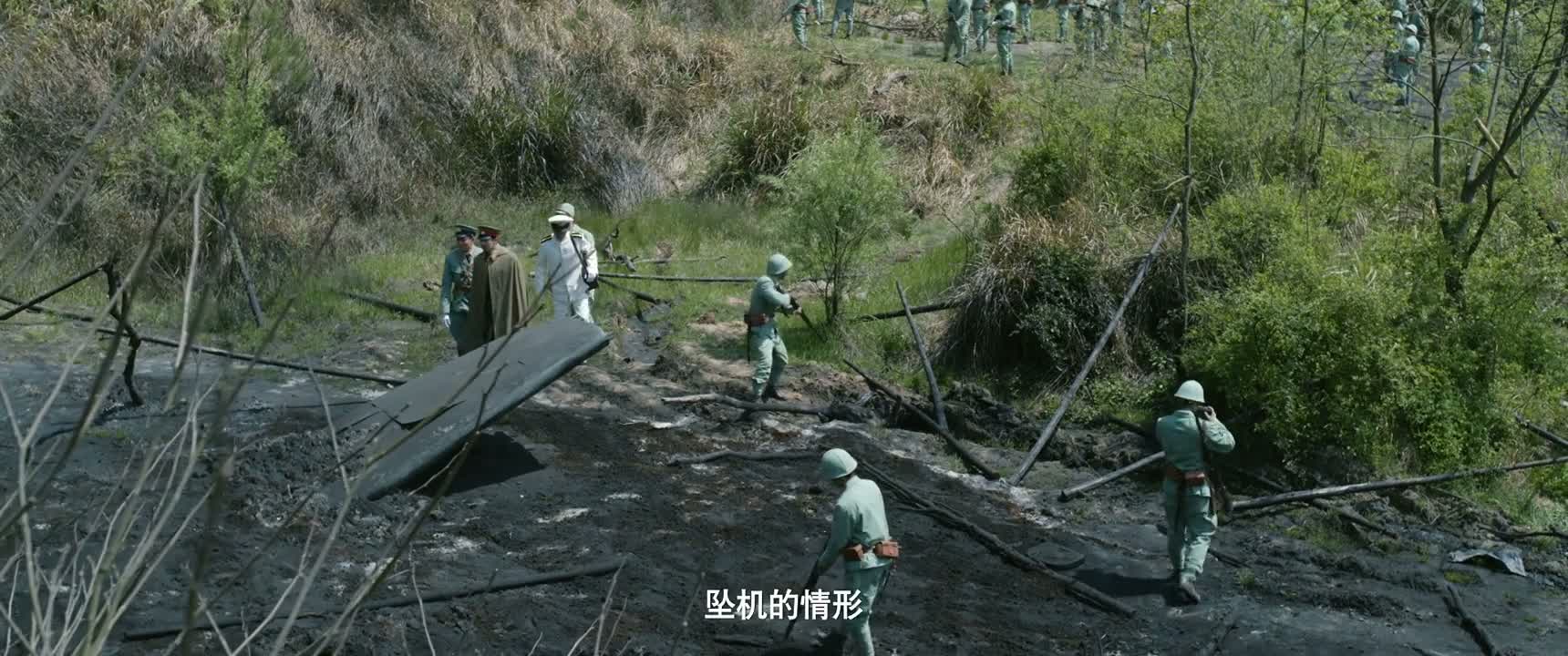
“The circumstances of the crash...”

“Can I expect to fly high?”

“his plane suddenly crashed, and he died.”