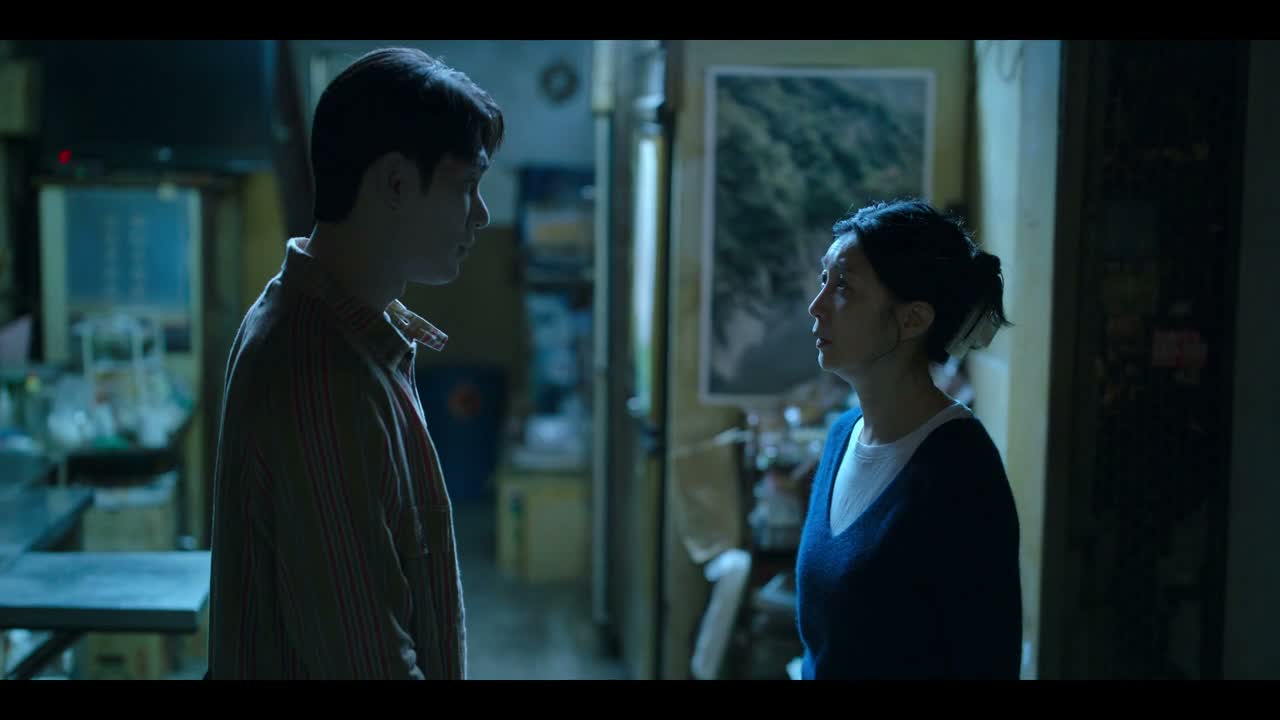
《Love Story in the 1970s》 S1·E6 (25:06)
HSK 1
nǐ hái huì lái kàn wǒ ma
你还会来看我吗
“will you still come see me?”
《Love Story in the 1970s》
S1·E6
TIMECODE: 25:06
·
1080P MASTER AUDIO
THE DIALOGUE REEL
nǐ hái huì lái kàn wǒ ma
CURRENT FOCUS
你还会 来看我吗
“will you still come see me?”
Subtitles synced to millisecond timecode
Browse Show Clips →
Scene:
Social & Dating
Function:
SEEKING REASSURANCE
Tone:
VULNERABLE
Emotion:
INSECURITY
WHAT THEY REALLY MEAN (PRAGMATIC SUBTEXT)
“Do you genuinely care about me, or are you only here out of obligation because I am sick?”
💡 Cultural Insight: Emotional Restraint and Indirect Longing
Chinese speakers often express deep affection or fear of separation through simple inquiries about practical actions like visiting rather than direct declarations of love.
INTENT TAGS:
#reassurance
#inquiry
#bonding
#vulnerability
🧩
2 CHUNKS · 1 PARTICLES
LEARNING CHUNKS & PARTICLES
还会
SPOKEN CHUNK
will still; would still
Used to inquire or state whether an action or state will continue into the future.
来看我
SPOKEN CHUNK
come see me; visit me
A natural, everyday collocation used when talking about visiting someone personally.
Modal Particle「吗」 (ma)
CHANGE OF STATE
Turns the declarative sentence into a standard neutral yes-no question.
🏮
1 EXPR · 0 GRAMMAR
VOCABULARY & EXPRESSIONS
COLLOQUIAL EXPRESSIONS:
CROSS-CINEMA CORPUS BOARD · PARALLEL SCENES
EXPLORE BY SEMANTIC SIMILARITY
Parallel Spoken Cinema Scenes (语义近邻切片)
《Love Story in the 1970s》 S1·E6 (25:06) · Authentic Cinema Dialogue Corpus