狄某的推演可对
“is my deduction correct?”
THE DIALOGUE REEL
侯员外
“Vice Director Hou,”
狄某的推演 可对
“is my deduction correct?”
大人
“Sir,”
“I already know the truth; let us see if you dare deny it.”
In classical Chinese and period dramas, educated officials often refer to themselves modestly by their surname plus 'mou' (某) instead of using 'wo' (I), establishing solemnity and formal authority.
LEARNING CHUNKS & PARTICLES
I, Di (humble/formal third-person self-reference by surname)
A traditional, literary way to refer to oneself using one's surname in formal historical contexts.
deduction, logical reasoning, reconstruction
Used in formal or legal contexts to refer to tracing steps logically or reconstructing a sequence of events.
is it correct?
A classical/formal interrogative construction equivalent to modern '对不对' (dui bu dui).
VOCABULARY & EXPRESSIONS
Parallel Spoken Cinema Scenes (语义近邻切片)
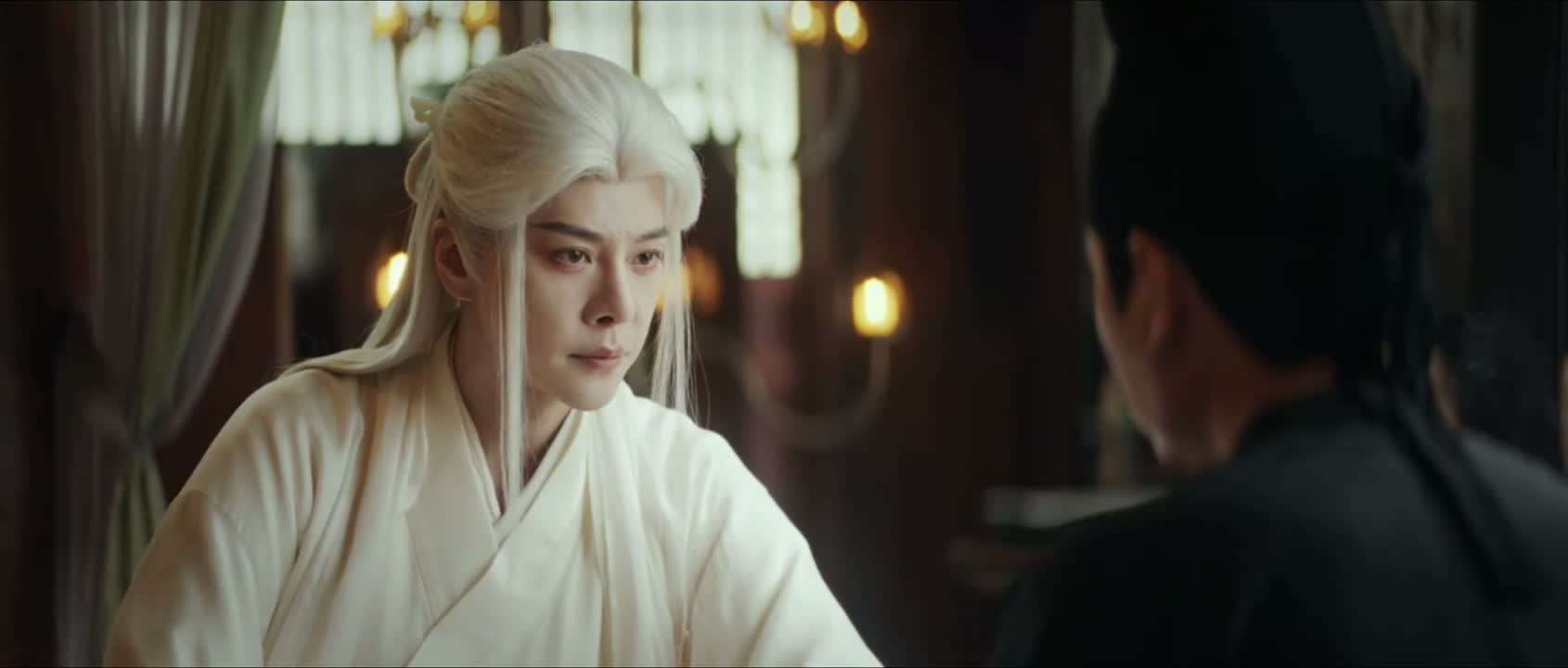
“There is one thing I don't understand.”
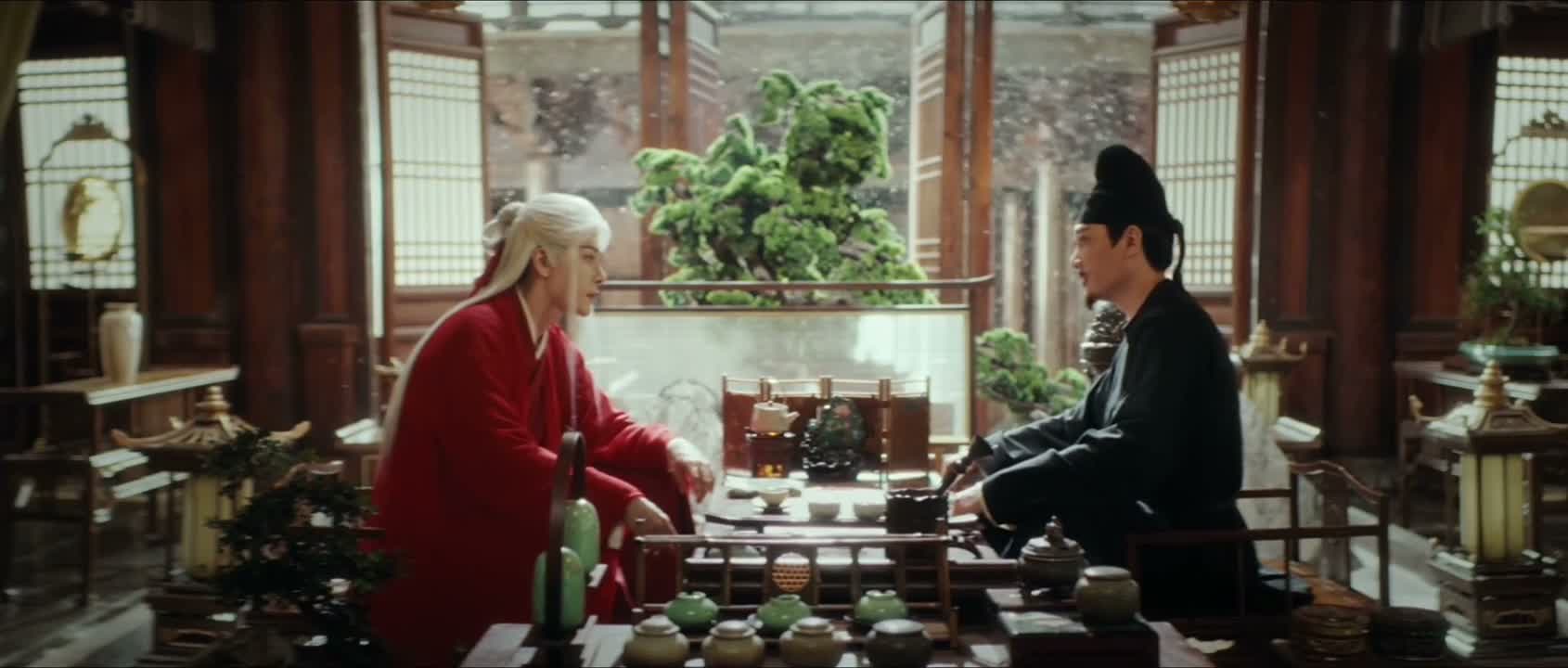
“Master Zhuang?”
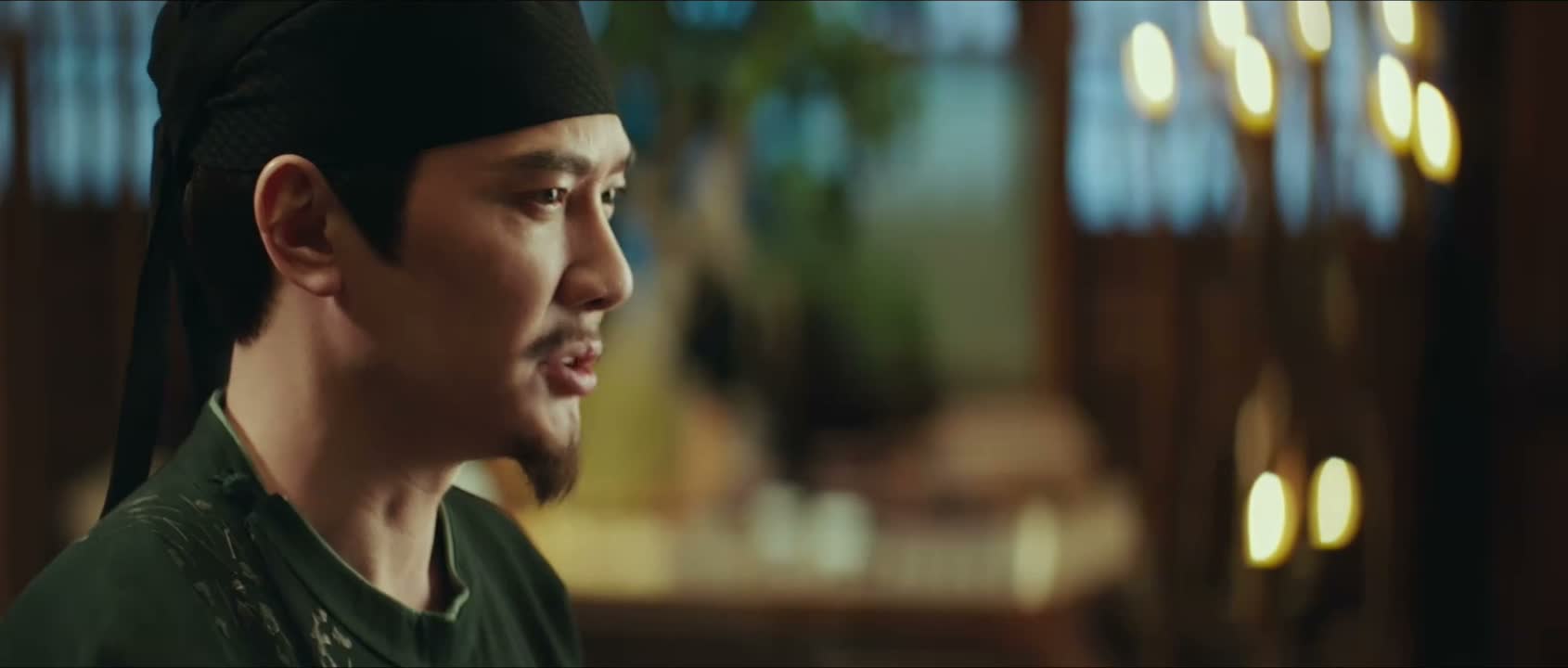
“At first, I believed the killer was left-handed.”
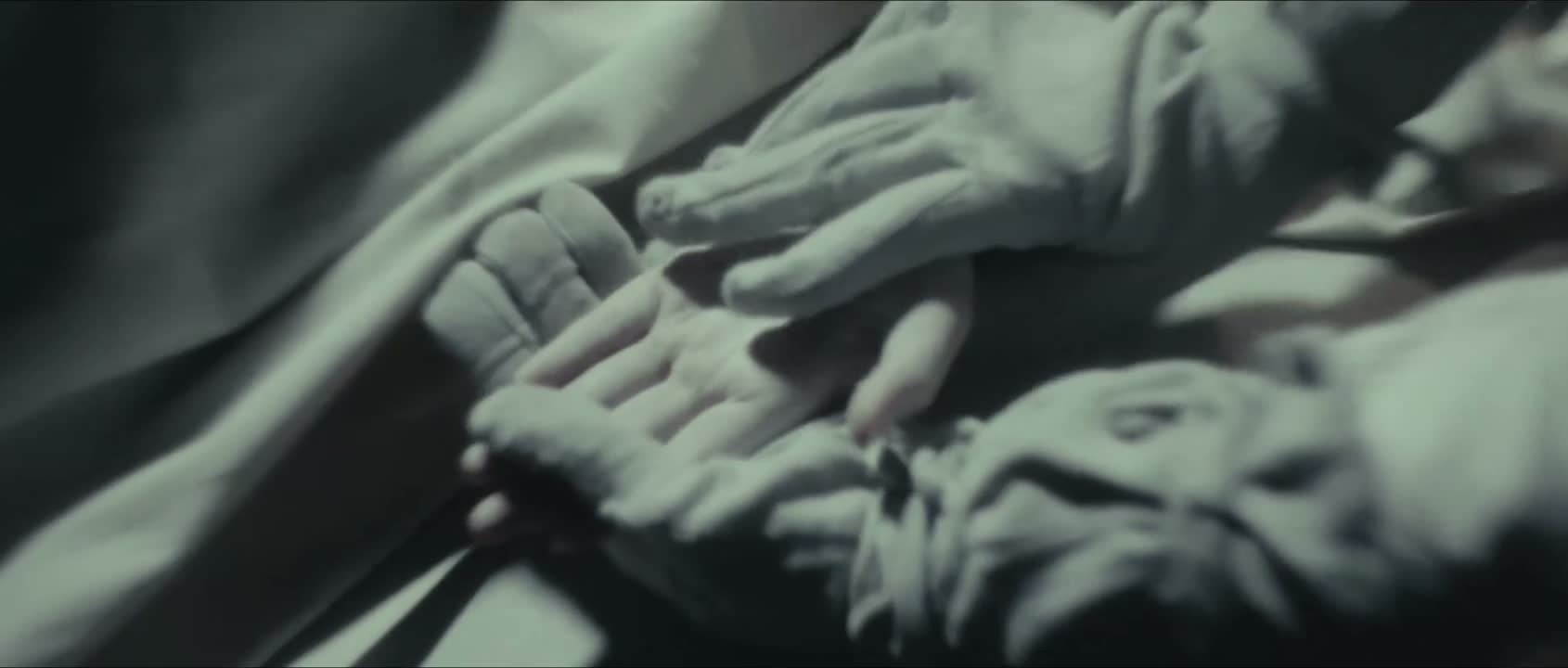
“That was when I came to a realization.”
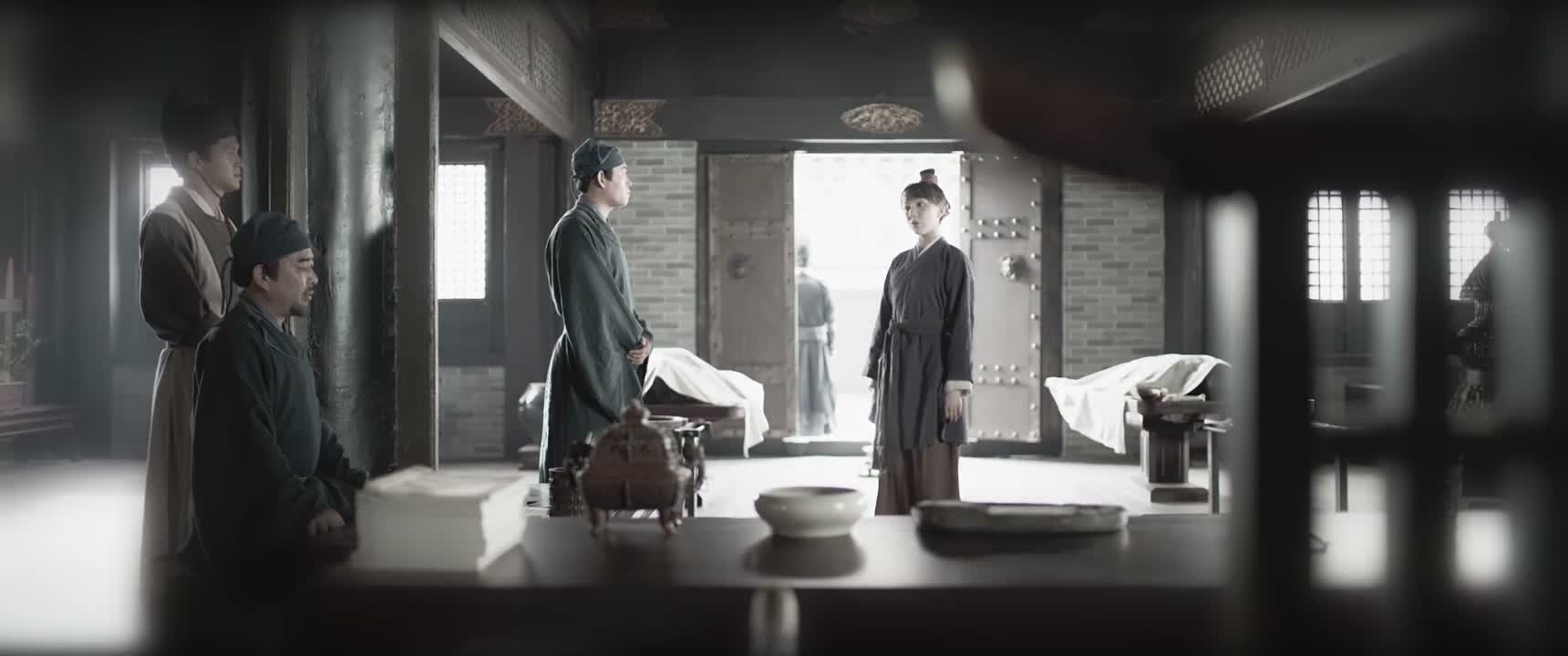
“Reasoning and making decisions are beyond a coroner.”
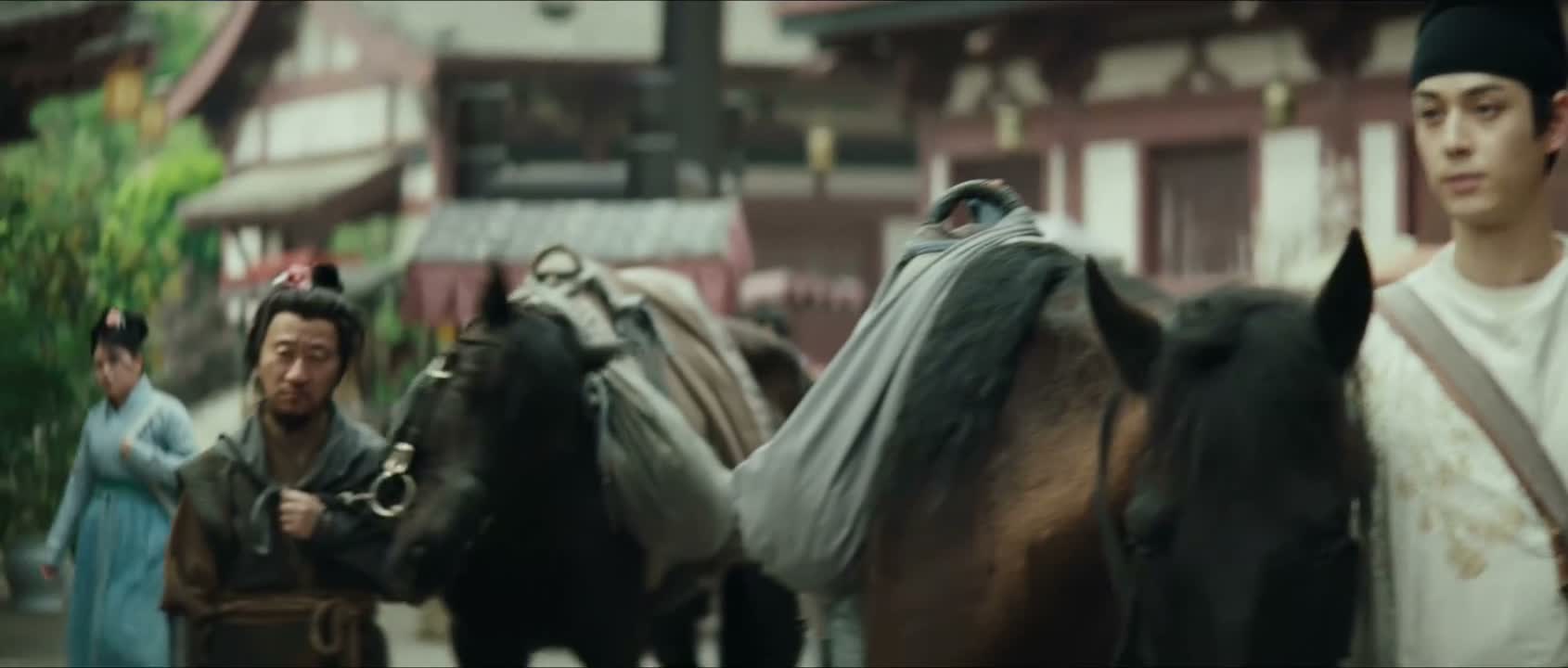
“I may meet you in official service”