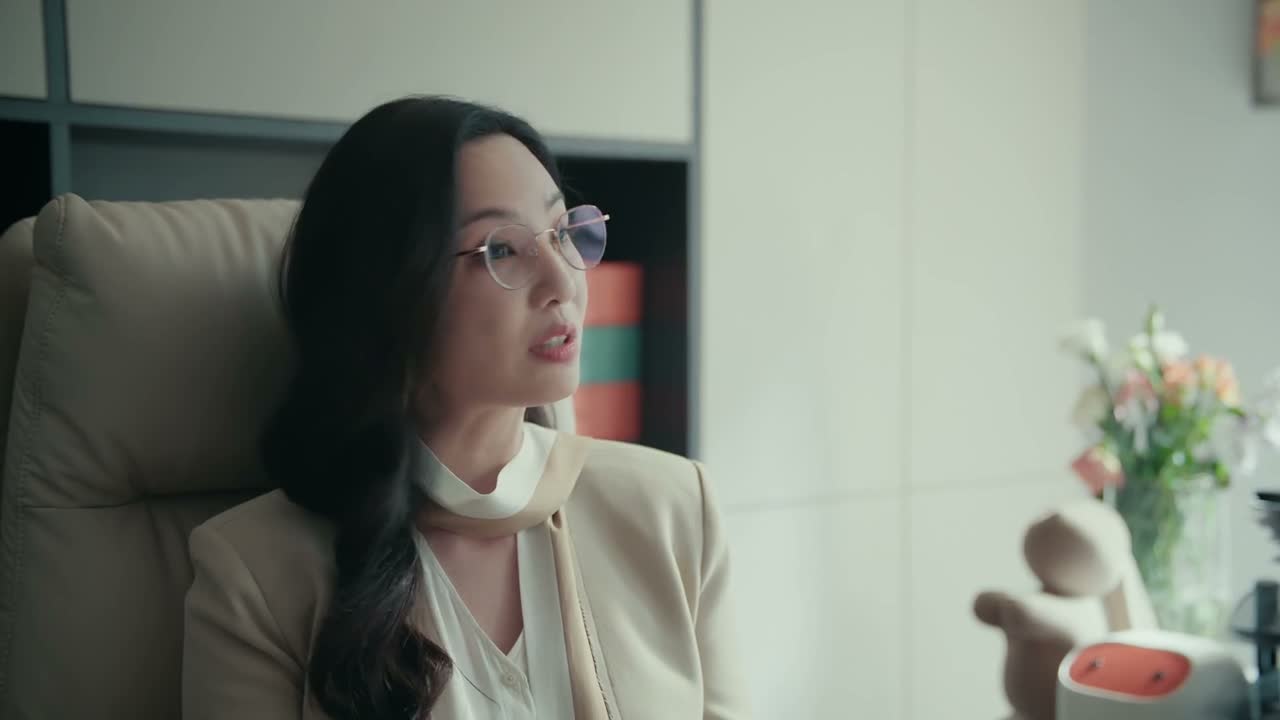
《The Epoch of Miyu》 S1·E38 (26:23)
HSK 3
bié bǎ shén me dōu guī jiù yú
别把什么都归咎于
“Don't blame everything”
《The Epoch of Miyu》
S1·E38
TIMECODE: 26:23
·
1080P MASTER AUDIO
THE DIALOGUE REEL
[-1] PREVIOUS TURN
huì yòng bié de fāng shì xiàng nǐ tǎo huí lái
“to bite you in another way.”
bié bǎ shén me dōu guī jiù yú
CURRENT FOCUS
别把 什么都 归咎于
“Don't blame everything”
[+1] FOLLOW-UP TURN
jiā tíng
家庭
“on family,”
Subtitles synced to millisecond timecode
Browse Show Clips →
Scene:
Family & Home
Function:
REBUKING
Tone:
ASSERTIVE
Emotion:
ANNOYANCE
WHAT THEY REALLY MEAN (PRAGMATIC SUBTEXT)
“Stop playing the victim and blaming your family for choices you made yourself.”
💡 Cultural Insight: Accountability vs. Family Scapegoating
While family ties heavily influence individual outcomes in Chinese society, blaming personal failures entirely on family origin is viewed as an evasion of adult responsibility.
INTENT TAGS:
#reproach
#setting_boundaries
#demanding_accountability
#confrontation
🧩
1 CHUNKS · 0 PARTICLES
LEARNING CHUNKS & PARTICLES
归咎于
SPOKEN CHUNK
to attribute the fault to; to blame on
A relatively formal but common phrase used when assigning cause or blame for an unfavorable outcome.
🏮
2 EXPR · 3 GRAMMAR
VOCABULARY & EXPRESSIONS
COLLOQUIAL EXPRESSIONS:
CROSS-CINEMA CORPUS BOARD · PARALLEL SCENES
EXPLORE BY SEMANTIC SIMILARITY
Parallel Spoken Cinema Scenes (语义近邻切片)
《The Epoch of Miyu》 S1·E38 (26:23) · Authentic Cinema Dialogue Corpus