对不起啊 没有给你制造麻烦吧
“Sorry, hope I didn't cause you any trouble.”
THE DIALOGUE REEL
邂逅了安姑娘
“and got him to meet Miss An.”
对不起啊 没有 给你 制造麻烦 吧
“Sorry, hope I didn't cause you any trouble.”
这事儿不能怪你
“It's not your fault.”
Direct spoken expression in this communicative setting.
In Chinese culture, being mindful of not causing inconvenience or burdening others is a cornerstone of interpersonal politeness.
LEARNING CHUNKS & PARTICLES
to cause trouble; to create inconvenience
Commonly used in polite apologies when worried about imposing on someone.
Softens the apology, making it sound warm, sincere, and less abrupt.
Softens the inquiry into a tentative guess, inviting reassurance from the listener.
VOCABULARY & EXPRESSIONS
Parallel Spoken Cinema Scenes (语义近邻切片)

“I'm sorry for causing you trouble today. I'm fine.”
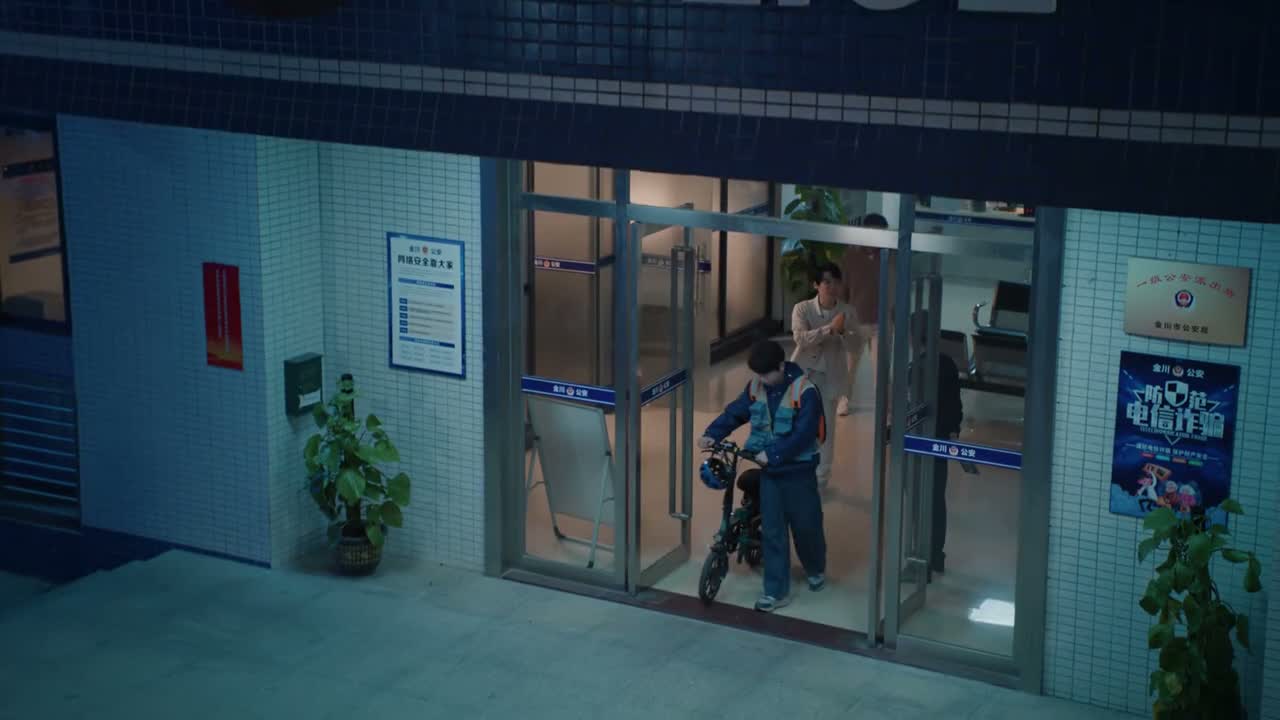
“Sorry about that. Sorry for the trouble. Thank you.”
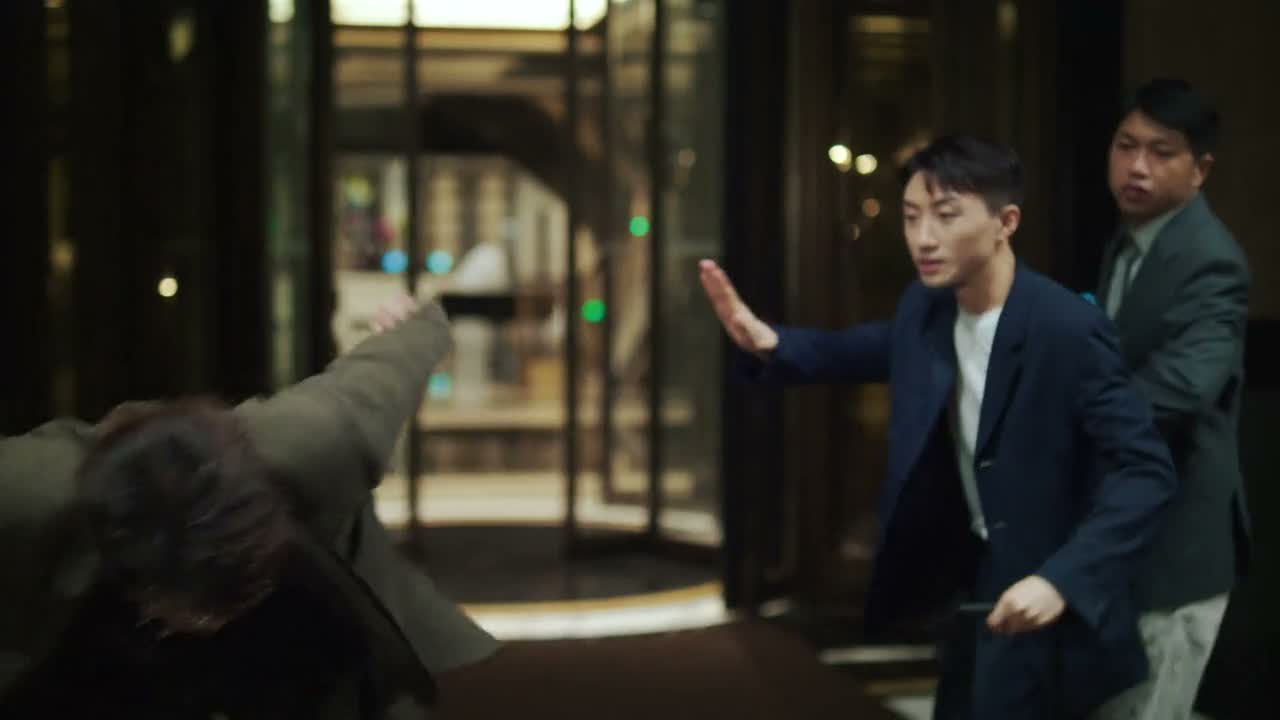
“I'm sorry. I'm sorry. Sorry.”

“Sorry about that, Officer Qu. I caused you trouble.”
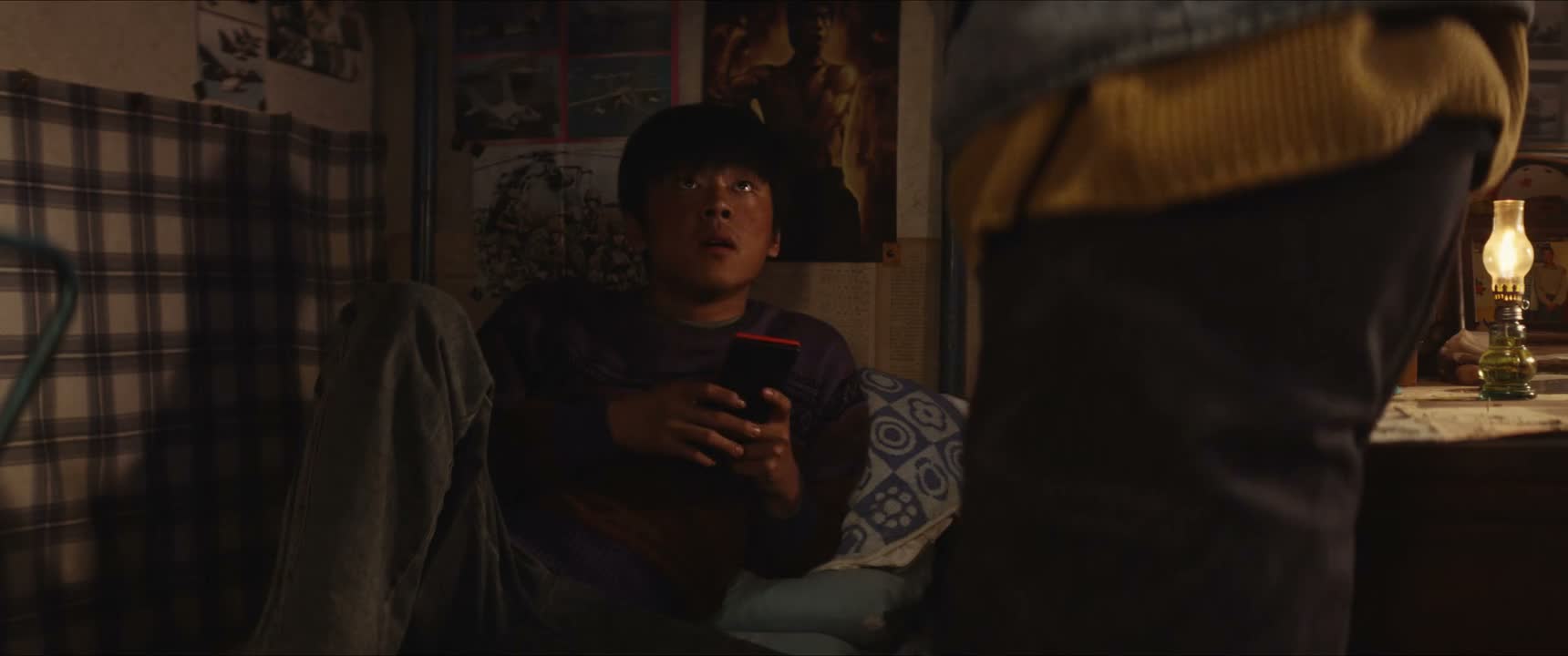
“I'm sorry. It's okay, Guo.”

“- You've stained my manuscript! - I'm sorry. I forgot my hands were covered in grease. Don't worry…”

“Sorry, Bai Shao. Don't apologize.”
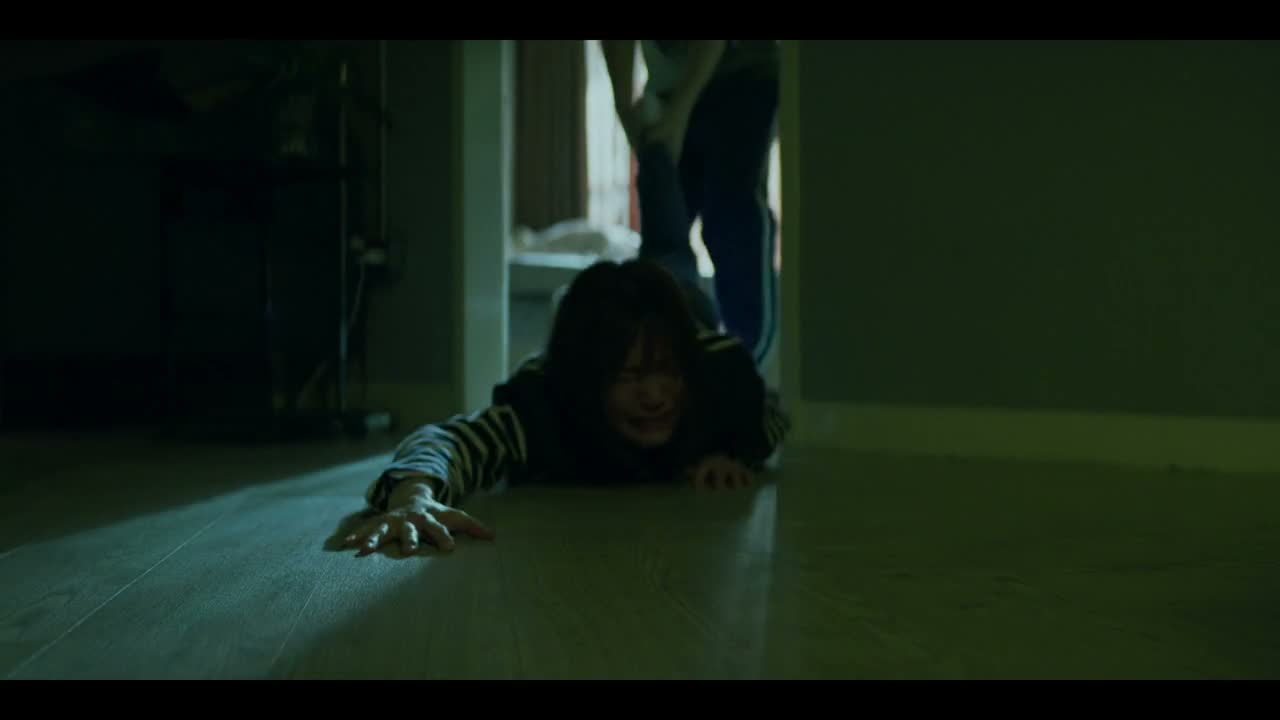
“- [Pin-hsuan crying] I'm sorry! I'm sorry! - Huh?!”
“Sorry, hold on. Come here, do it like this.”

“Sorry, Sibo. It's my fault. It's all my fault.”
“Sorry. Pretend I didn't say that.”

“And to your friend. Satisfied now? Not yet.”

“I'm sorry. Oh, so now you know?”
“Sorry. Is Mr. Tian getting impatient? Our Baozi isn't ready yet.”
“I'm sorry. I'm late since I had something to do in the police station.”

“I'm sorry, Zhao. I didn't mean to pressure you.”

“I'm so sorry. You didn't answer my calls.”
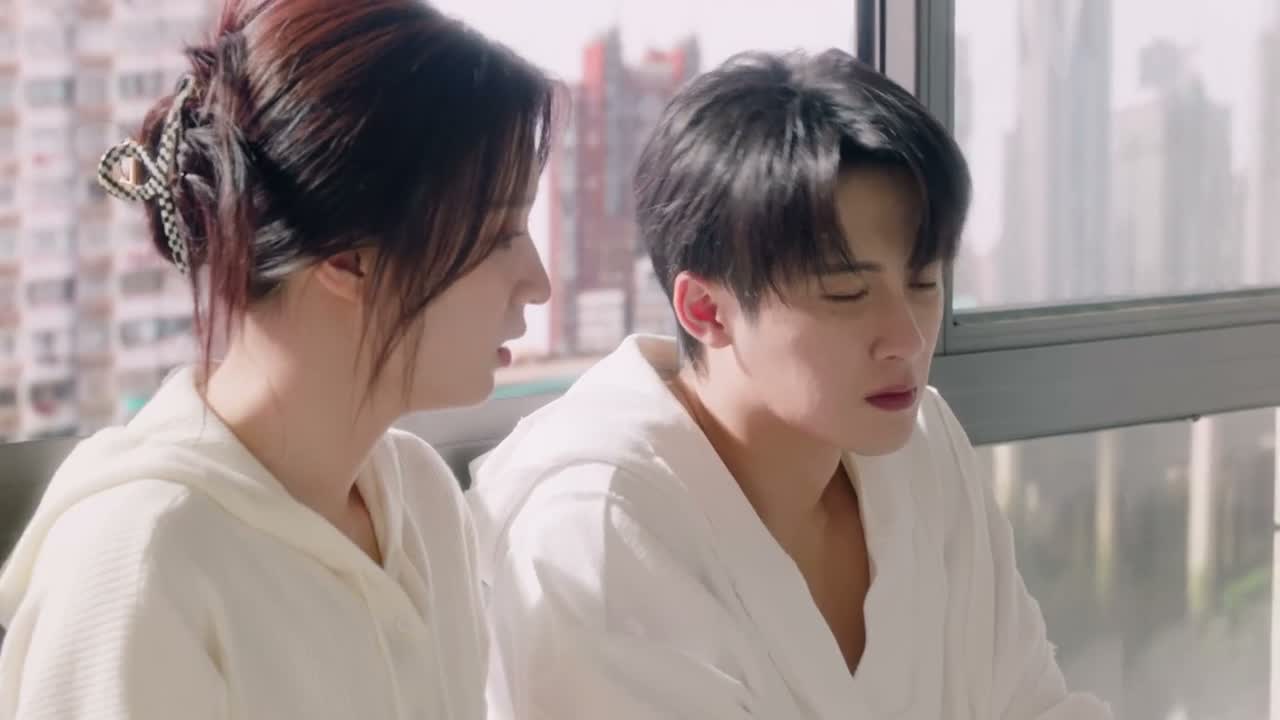
“Sorry for making a fool of myself.”

“I'm sorry, Ms. Fang. I... Let me tell you,”
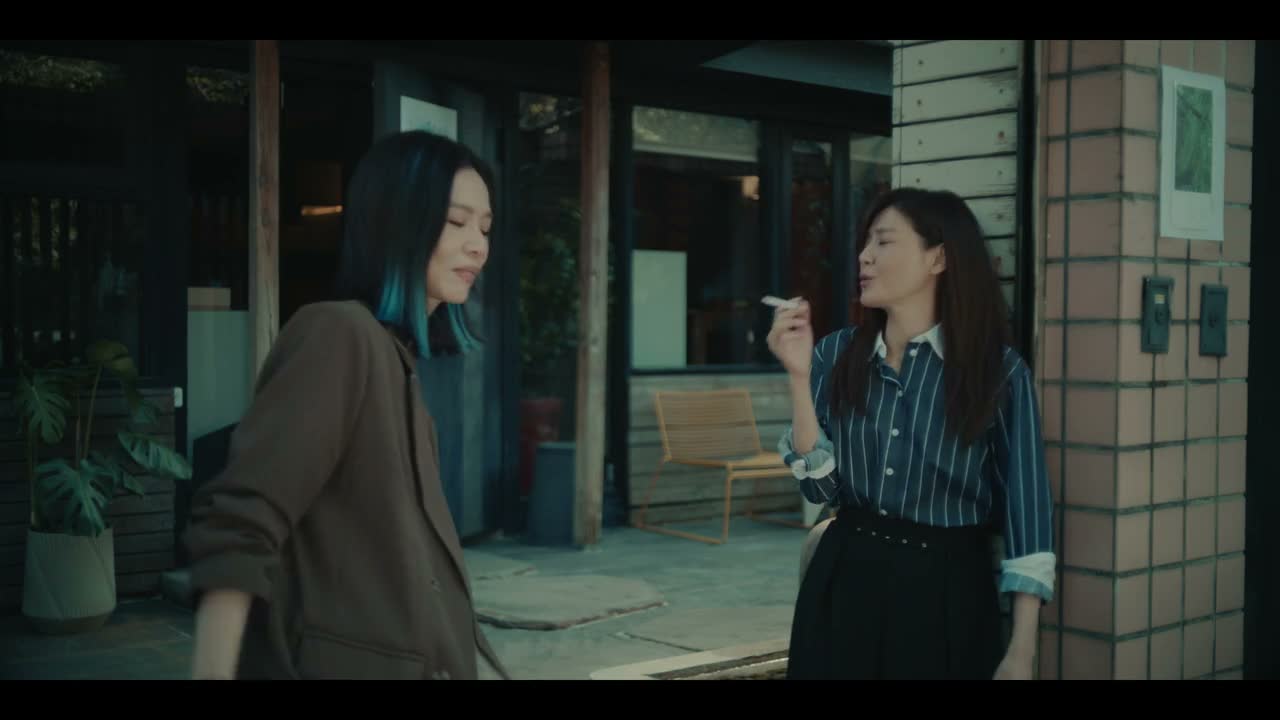
“Sorry, that was a total rejection.”

“I'm sorry. I really... No, it's me. It was my negligence. Let go of me.”
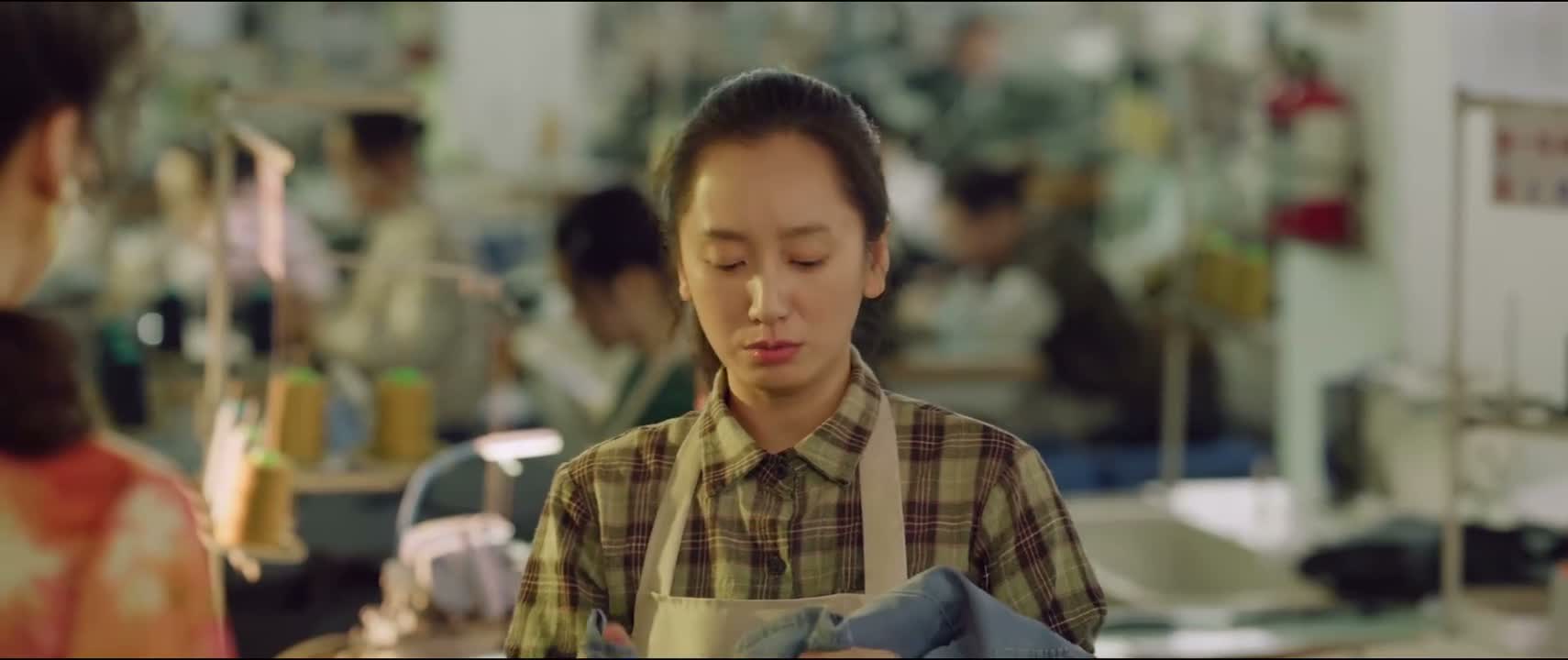
“I'm sorry. I'll re-sew it.”

“Sorry. Don't worry. I won't tell anyone about this.”
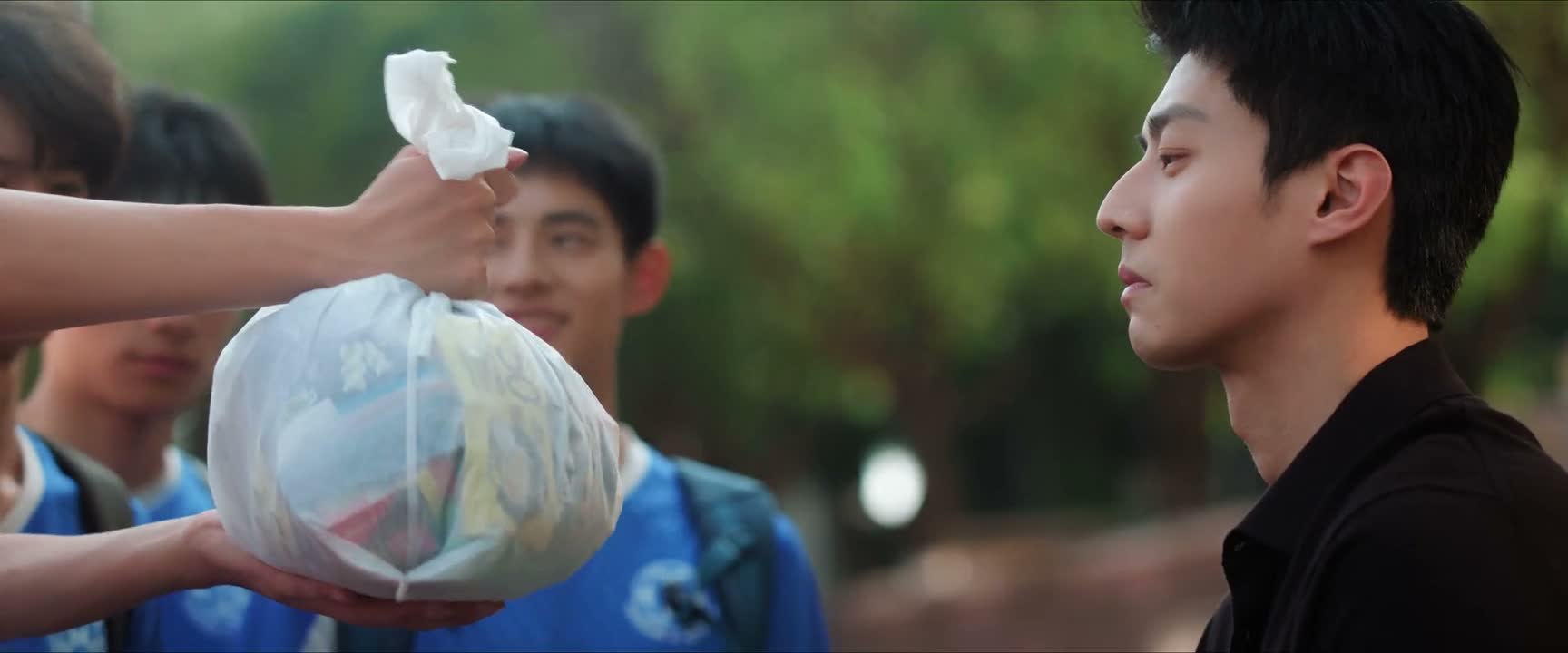
“Sorry. We were a bit loud yesterday. We apologize.”