把我的老脸撕得都快没处搁了
“you made me lose so much face.”
THE DIALOGUE REEL
“Just now, in front of so many people,”
把我的 老脸 撕得 都快 没处搁 了
“you made me lose so much face.”
“You humiliated me thoroughly in front of everyone and left me with zero dignity.”
In Chinese culture, publicly causing an elder to lose face (撕破脸 / 没处搁) violates filial respect and social decorum, causing intense personal mortification.
LEARNING CHUNKS & PARTICLES
Torn up to the point of having nowhere to put it (utterly disgraced)
A highly colloquial, dramatic idiom combining face-tearing and having nowhere to place one's face to emphasize absolute social mortification.
Old face (elder dignity / reputation)
Used self-deprecatingly by older people to highlight their vulnerability and entitlement to generational respect.
Indicates a newly realized, extreme state of complete humiliation.
VOCABULARY & EXPRESSIONS
Parallel Spoken Cinema Scenes (语义近邻切片)
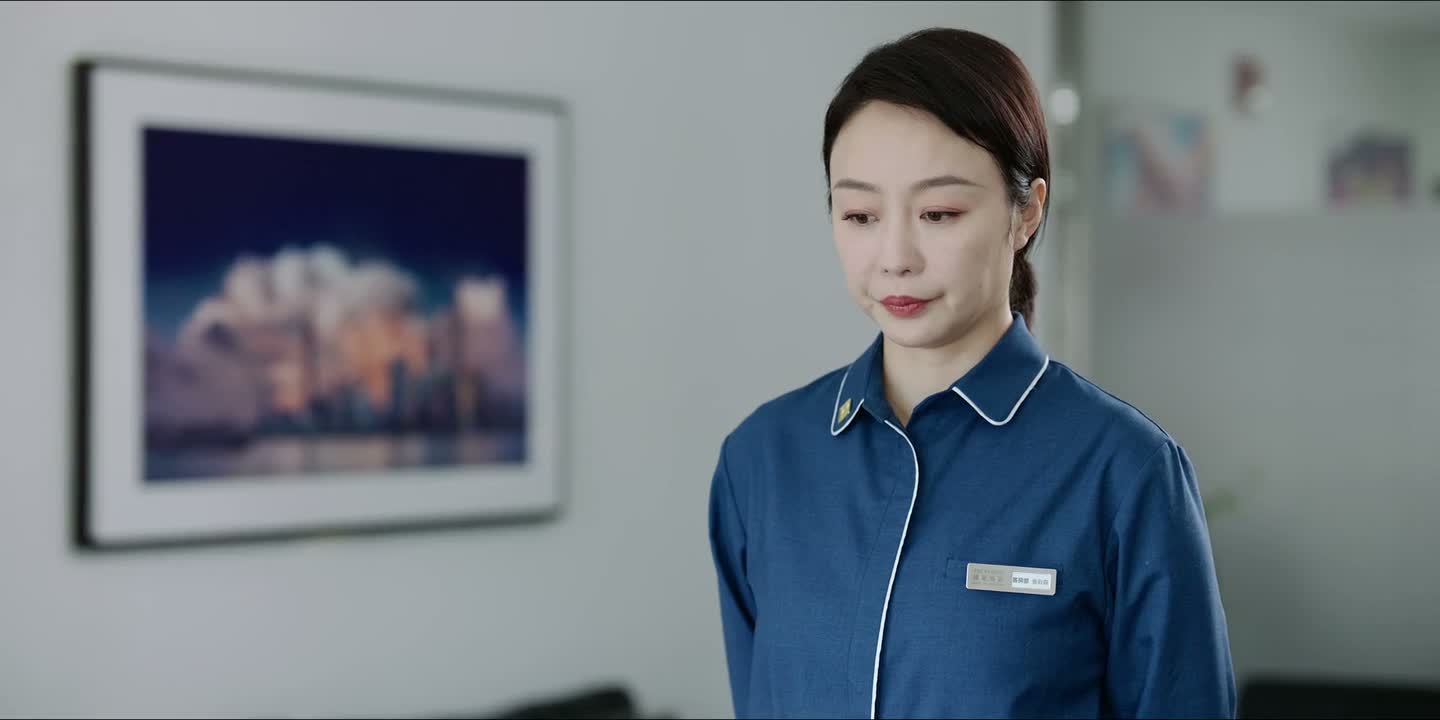
“How am I supposed to show my face after this?”
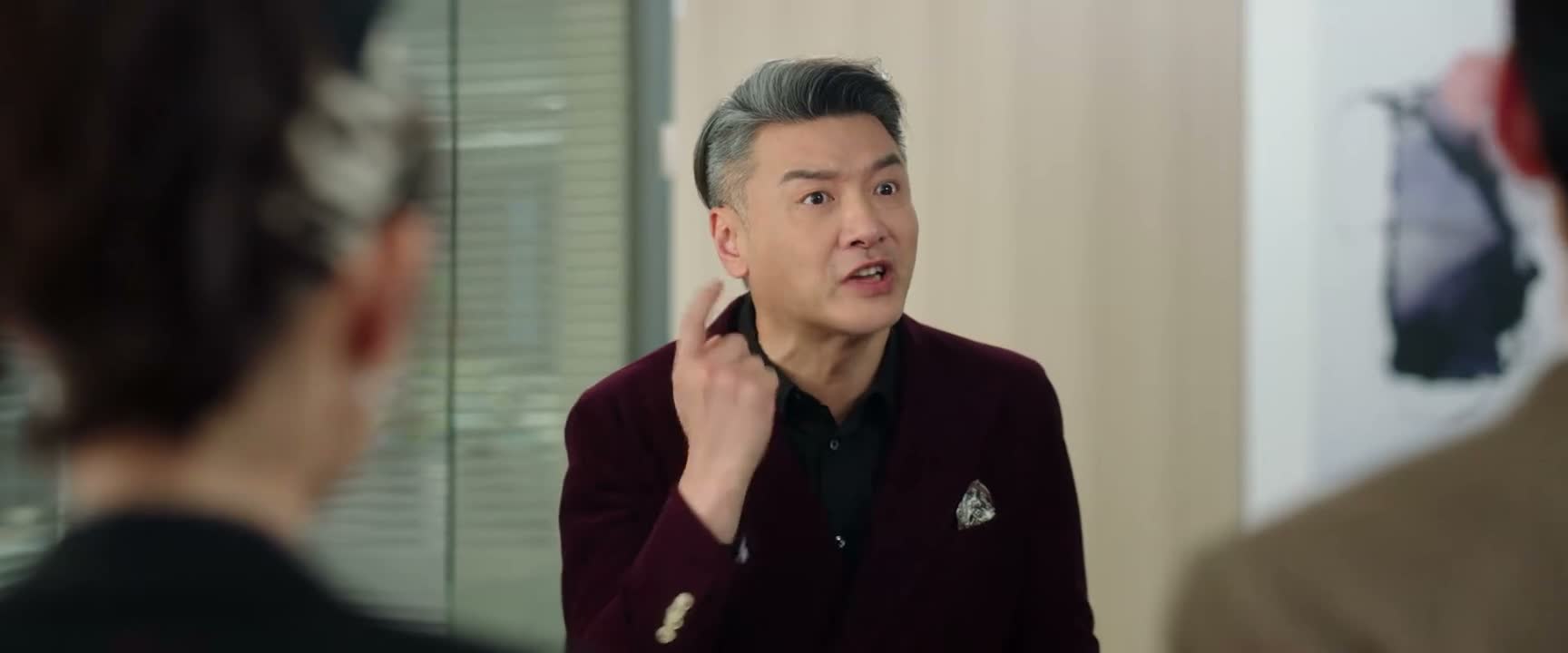
“You're embarrassing me!”
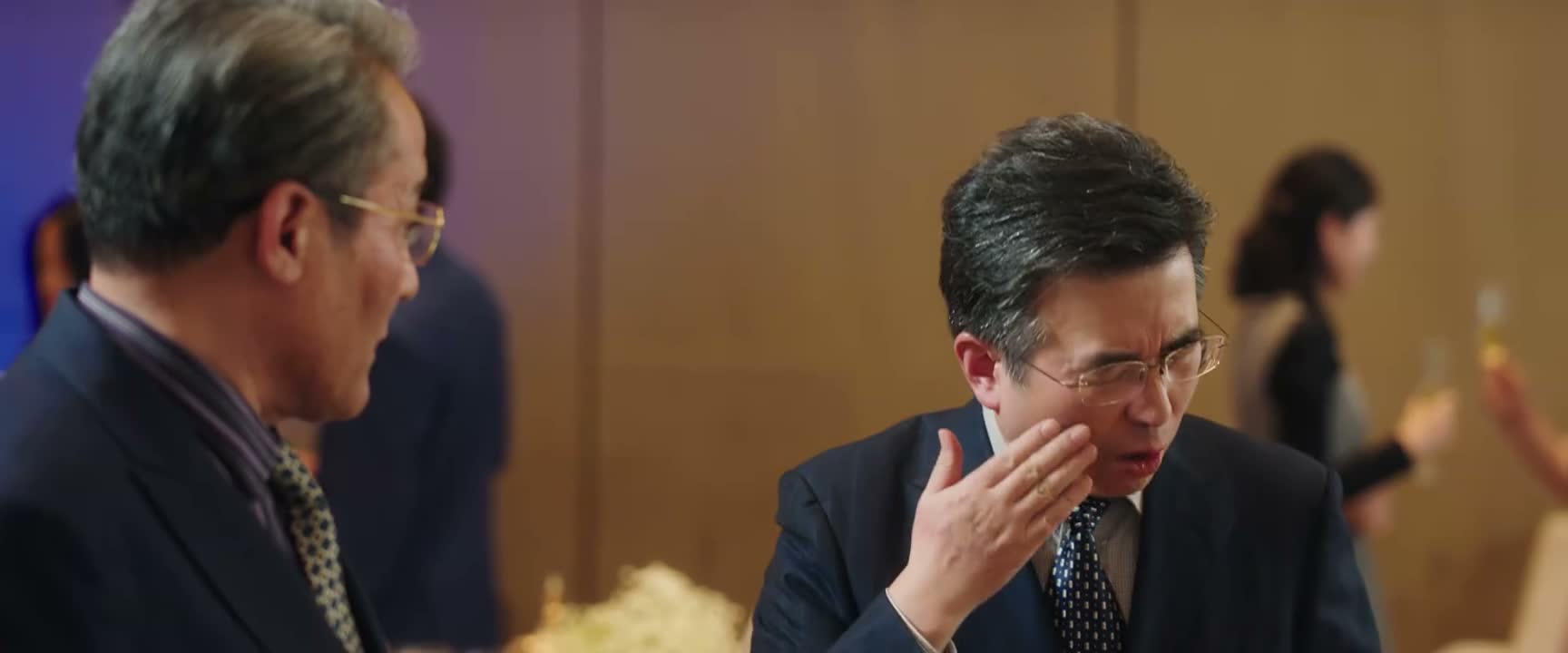
“we would feel embarrassed.”