结果就一定是坏的呢
“the result will be bad?”
THE DIALOGUE REEL
你怎么知道
“How do you know”
结果就一定是坏的呢
“the result will be bad?”
可如今
“But now,”
“You don't know that for sure, so stop assuming the worst.”
Using '就一定是...呢' in Chinese dialogue challenges dogmatism and calls out arbitrary assumptions without necessarily asserting a complete opposite fact.
LEARNING CHUNKS & PARTICLES
must be; bound to be
Expresses strong epistemic certainty or inevitability.
must necessarily be
Combines '就' with certainty to aggressively counter an opponent's assumed premise in rhetorical questions.
Ends the rhetorical question to sharpen the inquisitory challenge and press the other party for justification.
VOCABULARY & EXPRESSIONS
Parallel Spoken Cinema Scenes (语义近邻切片)
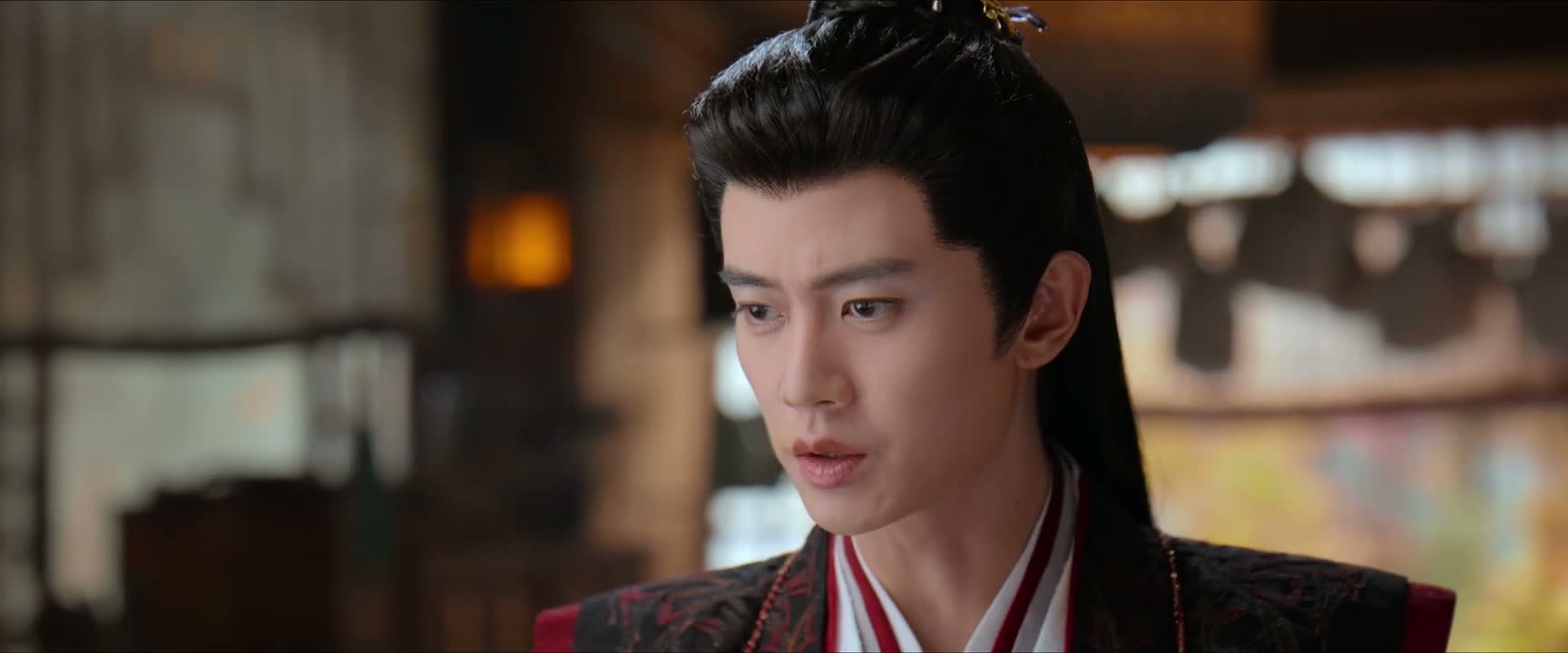
“whether it's actually good or bad.”
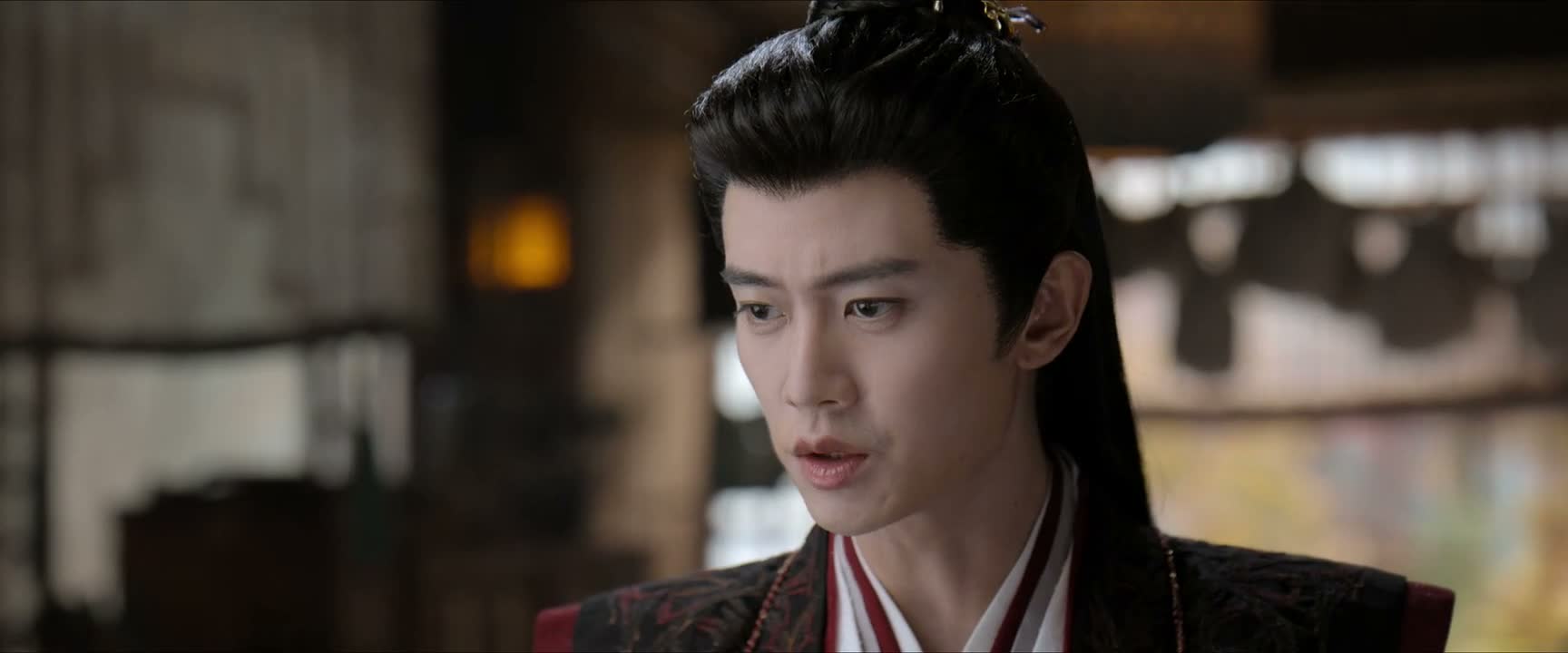
“whether it's truly a blessing or a curse.”

“this case might not necessarily be a bad thing. And, you're very attractive.”